Choosing the right kitchen flooring can feel overwhelming. Kitchens face daily spills, heat, moisture, and heavy foot traffic, plus the constant movement of chairs, appliances, and cooking activity. Pick the wrong flooring, and you could end up with scratches, water damage, or a surface that quickly looks worn.
So the question many homeowners ask is: is vinyl flooring good for kitchen use? Modern vinyl flooring has evolved far beyond its old reputation. Today’s vinyl flooring for kitchen spaces is designed to handle real-life challenges while offering comfort underfoot, stylish designs, and long-lasting durability, all at a reasonable cost. In other words, it’s practical, versatile, and built for the busiest room in your home. Let’s break down why vinyl flooring for kitchen areas is such a smart choice.
Is Vinyl Flooring Good for the Kitchen? Here’s the Honest Advice
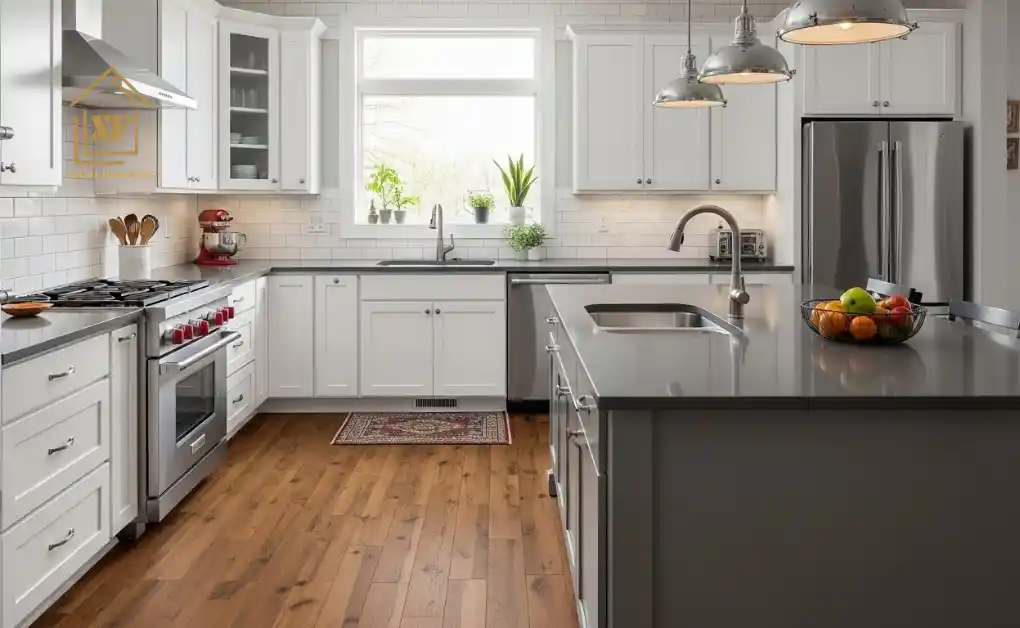
Vinyl can handle everyday kitchen messes, from dropped utensils and cooking accidents to the constant activity of family life. It stays easy to clean and keeps your kitchen looking fresh and inviting.
Nothing is perfect, and extreme conditions can cause wear over time. But for most families, renters, or anyone wanting a stylish, low-maintenance kitchen floor, vinyl strikes the perfect balance of durability, comfort, and style.
Key Benefits of Vinyl Flooring in the Kitchen
Water-Resistant and Spill-Proof
Kitchens see plenty of spills, splashes, and steam every day. Kitchen vinyl flooring handles it all with ease. Most modern vinyl is water-resistant, and many luxury options are completely waterproof. That means your floor stays strong and looks great, no matter what your kitchen throws at it.
Durable and Tough
Vinyl is built to last. It stands up to scratches, dents, and stains better than most flooring options. Even with heavy use, kids running around, or furniture being moved, a high-quality vinyl floor keeps your kitchen looking fresh and well-maintained.
Comfortable to Stand On
Tile and stone can be hard and cold underfoot, making long cooking sessions tiring. Vinyl’s slightly cushioned surface makes it more comfortable to stand on and warmer to walk across, adding a subtle but noticeable layer of comfort to your kitchen.
Easy to Clean and Low-Maintenance
No one wants a high-maintenance floor. Vinyl makes cleaning simple, a quick sweep or mop is usually enough to keep it sparkling. With a few practical maintenance tips, your floors can stay fresh and spotless for years, letting you enjoy your kitchen stress-free.
Stylish Designs for Every Kitchen
Modern vinyl can mimic wooden vinyl flooring as well as stone vinyl flooring, giving you the look of premium materials without the cost. With a wide range of colors, patterns, and textures, it suits any kitchen style, modern, rustic, minimalist, or traditional, adding a high-end look without the high-end price.
Affordable Without Sacrificing Quality
Vinyl gives you the beauty and performance of premium flooring at a fraction of the cost. For homeowners looking for best vinyl flooring in Singapore options, it’s strong, stylish, and long-lasting, ideal for families, renters, or anyone who wants a stunning kitchen floor without overspending. Check typical costs of vinyl flooring to see how it fits your budget.
Vinyl Flooring vs Other Common Kitchen Flooring Options
Vinyl vs Tile
Tile is tough and water-resistant, but it can feel cold and hard under your feet, especially during long cooking sessions. Vinyl gives you the same moisture protection, but with a softer, warmer feel. It’s also easier to install and more budget-friendly, making it a practical choice for everyday kitchen life.
Vinyl vs Hardwood
Hardwood looks beautiful and adds charm, but it doesn’t love moisture. Spills, steam, and humidity can damage it over time, and it takes more upkeep to keep it looking good. Vinyl provides that same rich, wood-like look while standing up to water and wear, so you can enjoy the beauty without the stress.
Vinyl vs Laminate
Laminate is stylish and affordable, but it usually can’t handle water as well as vinyl. In a busy kitchen, spills and splashes are inevitable, and vinyl holds up better over the long run. That means fewer worries and a floor that stays looking great for years to come.
Potential Drawbacks of Vinyl Flooring in Kitchens
Vinyl flooring is amazing for kitchens, but like anything, it has a few things to keep in mind.
Not Indestructible
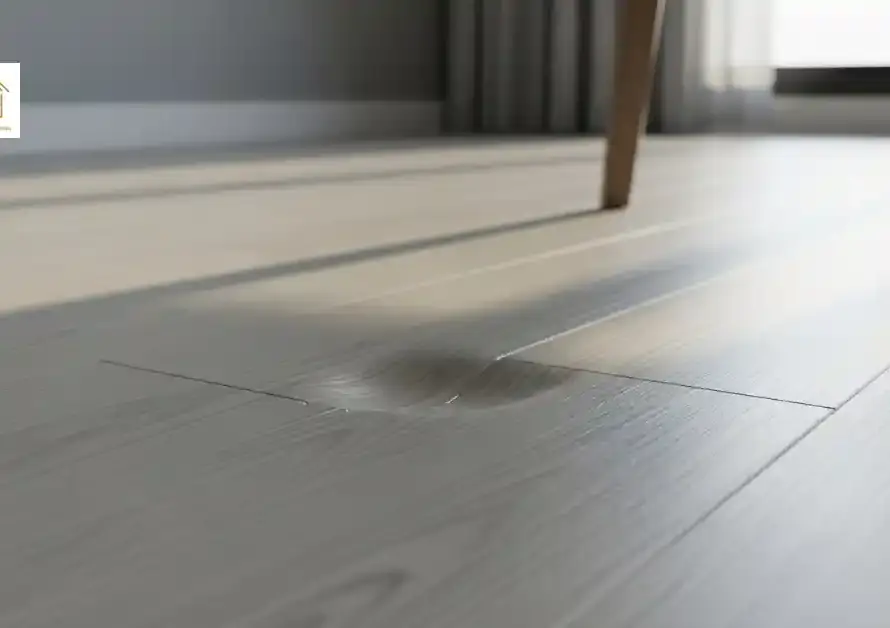
Vinyl is tough, but it can’t take everything. Heavy appliances or sharp objects can leave marks, so it’s smart to lift rather than drag. Minor scratches are usually barely noticeable, and most families never have a problem with daily use.
Sunlight Can Fade Colors
Direct sunlight over time may lighten the color of your floor. In most kitchens, this isn’t an issue, but if you have big, sunny windows, a simple set of blinds or curtains will keep your floor looking vibrant.
Environmental Considerations
Vinyl is made from plastic, which isn’t biodegradable. While it lasts a long time, disposal can be a concern. Eco-conscious homeowners may want to check for recycling options or look for low-VOC, environmentally friendly vinyl products.
How to Choose the Best Vinyl Flooring for Your Kitchen
- Thick wear layer: Stands up to scratches, spills, and daily use.
- Slip-resistant surface: Keeps everyone safe in a busy kitchen.
- Waterproof: Protects against spills and steam.
- Stylish design: Complements your kitchen and feels inviting.
- Invest in quality: Higher-quality vinyl lasts longer and looks better.
For homeowners in Singapore, finding a reliable vinyl flooring contractor Singapore can provide the proper installation and longevity.
Installing Vinyl Flooring in Your Kitchen
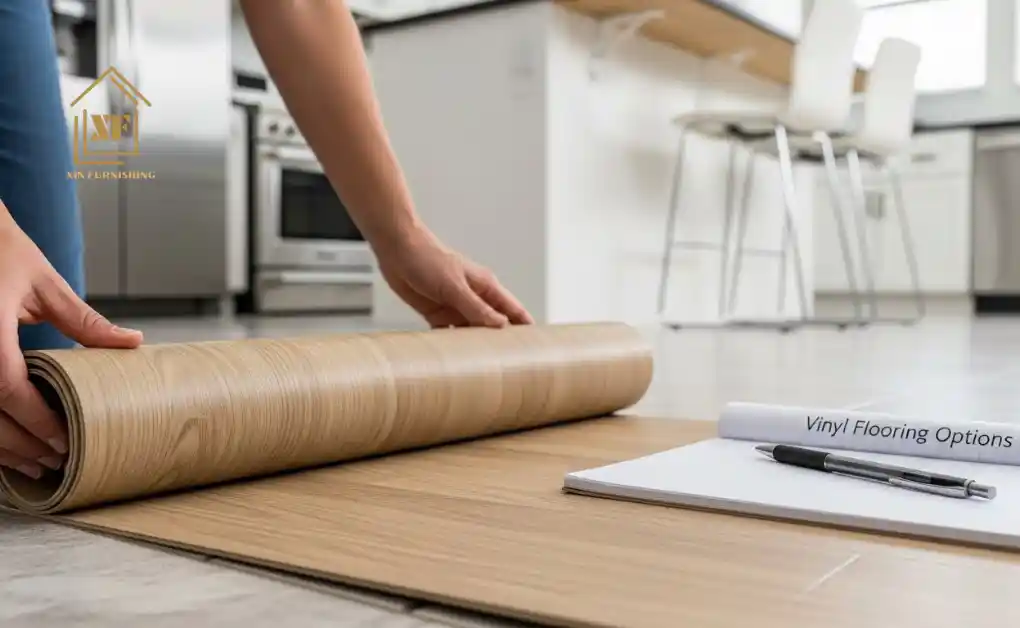
Vinyl comes in floating, glue-down, and peel-and-stick options. Floating vinyl is quick to install and easy to replace, making it great for most kitchens. Glue-down vinyl offers extra stability for high-traffic areas. Depending on the type, you can choose DIY installation or hire a professional for a perfect finish.
For kitchens looking for vinyl flooring tile in Singapore, these options provide both style and durability with minimal fuss.
Conclusion
Vinyl stands out as a practical and stylish choice for kitchens. It’s water-resistant, durable, and comfortable underfoot, making it perfect for busy homes with spills, pets, or kids. Vinyl is also low-maintenance and available in beautiful designs that mimic wood, stone, or tile, all without breaking the bank.
While it has a few minor drawbacks, like fading in direct sunlight or needing care with heavy appliances, these are easy to manage. For families, renters, or anyone who wants a long-lasting, attractive kitchen floor, vinyl delivers comfort, style, and peace of mind, making it one of the best choices for kitchens today.
FAQs
1. How long does vinyl flooring last in a kitchen?
High-quality vinyl flooring can last 10–20 years with proper care, making it a durable choice for busy kitchens.
2. Can you put a refrigerator on vinyl plank flooring?
Yes, but it’s best to lift rather than drag heavy appliances to prevent scratches or dents. Using protective pads under appliance feet can also help.
3. Is it cheaper to install tile or vinyl flooring?
Vinyl is generally more affordable to buy and install than tile, and it requires less maintenance over time.
4. What is the maximum temperature for vinyl flooring?
Vinyl can typically handle temperatures up to 140–160°F (60–70°C). Avoid placing extremely hot appliances directly on the floor to prevent damage.