Most people get vinyl flooring wrong before a single plank is even laid. Not because they picked the wrong design or spent too little. It is because nobody warned them about the things that actually decide whether a floor lasts or falls apart. The subfloor that never got checked. The humidity nobody thought about. The installer who rushed through and left gaps at the edges. For many homeowners, this is exactly what happened.
The frustrating part is that none of this is complicated once you know what to look for. Vinyl flooring handles heat, withstands humidity, and survives daily wear in ways timber and laminate simply cannot. But there is a big difference between buying good flooring and actually getting a good floor. That difference is what ends up costing homeowners extra money, extra time, and in some cases, a full redo of the entire renovation.
This guide helps you avoid all of that. Here are the 10 things every homeowner needs to know before installation day.
What Every Singapore Homeowner Must Know Before Installing Vinyl Flooring
From subfloor conditions to supplier warranties, these are the ten things that separate a floor that lasts from one that does not.
1. Get Your Subfloor Right or Everything Else Will Fail
Most flooring problems do not start with the flooring. They start with what is underneath it. Before any plank goes down, the surface below needs to be clean, dry, and level. Small bumps and cracks will eventually show through, and what feels like nothing today becomes a visible ridge or a popping plank within months.
Our humidity means concrete floors hold more moisture than they appear to. Before vinyl flooring installation, your installer should:
- Check moisture levels in the concrete
- Fill all cracks and fix any hollow sections
- Let the planks sit in the room for 24 hours, so they adjust to local humidity
If your installer is rushing past any of these, slow them down.
2. Singapore’s Humidity Will Ruin the Wrong Floor Fast
Not all vinyl flooring is built the same way. Some products are made for cooler and drier climates where humidity is not a factor. Bring that same product into a local home, and it behaves completely differently. Planks swell, joints lift, and the floor starts failing in ways that were never going to end well.
The fix is simple, but most people skip it. Before you buy, check that the vinyl flooring you are getting was rated for high-humidity environments. If your supplier cannot confirm this, find one who can.
3. LVT vs SPC Vinyl Flooring: Which is the best option
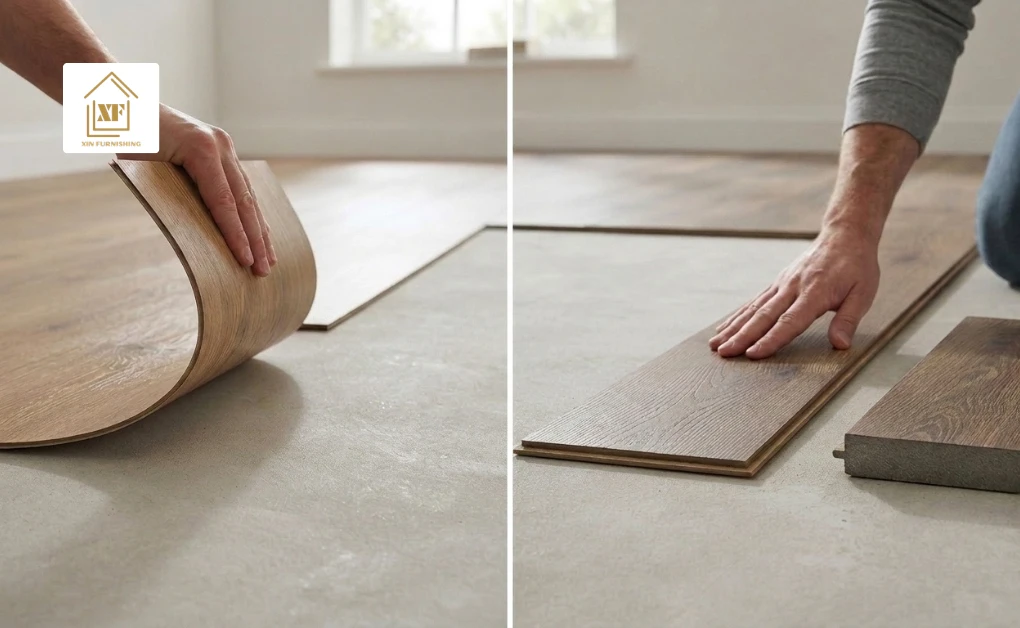
Walk into any flooring shop, and you will hear both terms thrown around like they mean the same thing. They do not, and buying the wrong one for your space is a mistake that is hard to fix once the floor is down.
LVT vinyl flooring is flexible, quieter underfoot, and handles the slight movement that comes with humidity changes without cracking at the joints. SPC vinyl flooring has a harder, more rigid core, which makes it better suited for heavy commercial use. For most homes, LVT is the right call, and now you know why.
4. Thickness and Wear Layer: Where Cheap Vinyl Floors Get Found Out
When comparing vinyl flooring options, two numbers matter more than anything else: the thickness of the plank and the thickness of the wear layer on top.
Thicker planks feel more solid underfoot and absorb sound better. The wear layer is the clear protective surface that takes all the daily punishment. Scratches, scuffs, chair legs, pet claws, once it wears out, the floor underneath has no protection left.
This is where cutting costs catches up with you. A cheaper floor with a thin wear layer might look identical on day one, but it will not look the same two years later. Always ask your supplier exactly how thick the wear layer is before you commit to anything.
Still unsure which thickness suits your home? Read our guide on how thick vinyl flooring should be so you do not end up paying for the wrong one.
5. How Much Does Vinyl Flooring Cost in Singapore?
Most people come in with a budget and no idea what actually drives the price up or down. Vinyl flooring is generally priced by the square foot and costs vary based on plank thickness, wear layer quality, and whether installation is included. Basic options start from around $3 to $5 per square foot while quality LVT with proper wear layer thickness typically falls between $5 to $10 or more.
A cheaper option might save you money today and cost you a full replacement in three years. Spend on the wear layer, the installation, and a supplier you can trust. Everything else is secondary.
If you want the full numbers before setting your budget, read our complete guide on what vinyl flooring actually costs in Singapore.
6. Can You Install Vinyl Flooring Over Existing Tiles in Singapore?
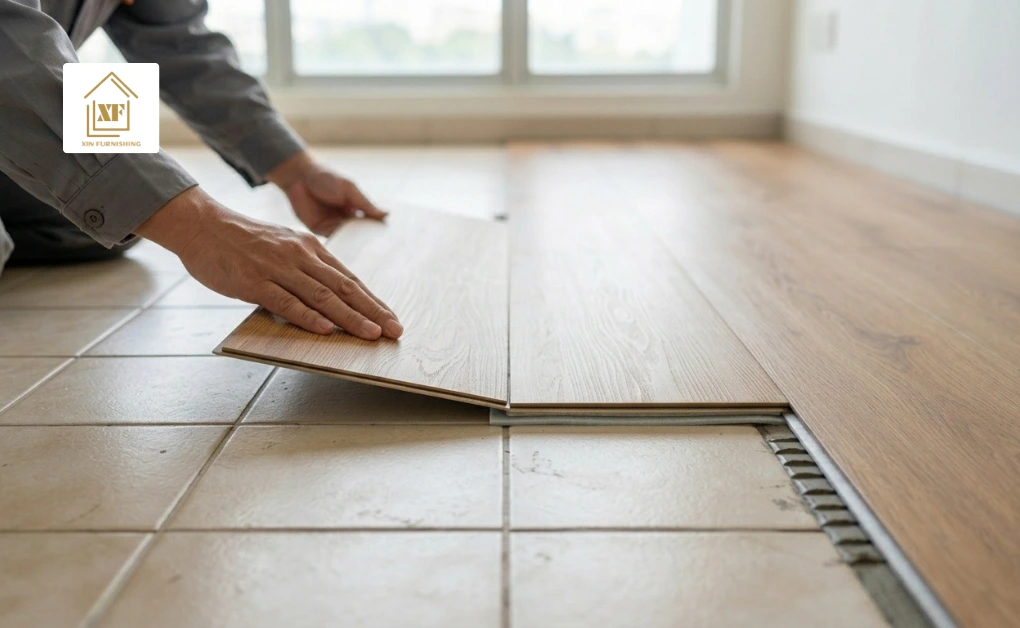
A lot of homeowners want to skip the hacking completely, and it is easy to understand why. Hacking is noisy, messy, adds cost, and in HDB flats, it comes with approval requirements that slow everything down. In many cases, vinyl flooring can be installed directly over existing tiles, saving you the noise, the mess, and the extra cost entirely.
But the conditions have to be right. Existing tiles need to be firmly bonded with no hollow or loose sections underneath. The surface needs to be level, and deep grout lines may need filling before installation begins. If your installer checks these properly, you save significant time and money. If they skip past them, the problems underneath will show through the new floor faster than you expect.
For a deeper look into the specifics and requirements for local properties, you can check out this detailed breakdown on installing vinyl flooring over existing tiles.
7. Click Lock vs Adhesive: What You Need to Know Before Installing Vinyl Flooring
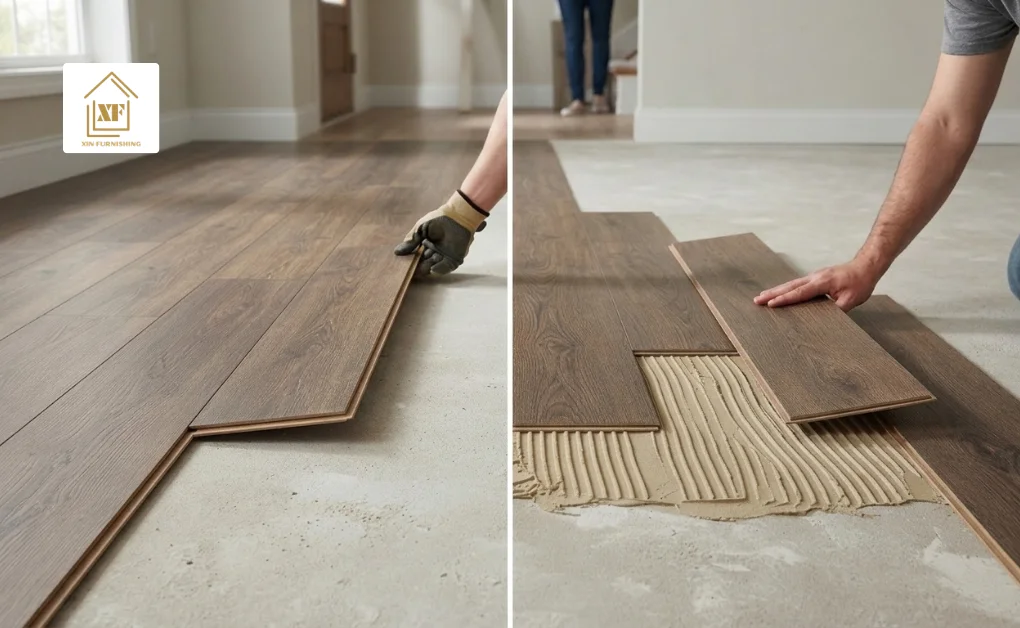
Before your installer arrives, confirm which installation method they are using. This is a question most homeowners never think to ask, and it is one of the most important ones.
Many installers still default to adhesive out of habit. It takes longer to cure, keeps you off the floor for hours, and if a single plank needs replacing later, the whole section comes up with it. Where renovation time is limited, and HDB noise restrictions apply, that is a real problem.
Click lock is faster, cleaner, and lets you replace individual planks without touching the rest of the floor. If your installer cannot give you a clear reason for using adhesive, push back before the job starts, not after.
8. Different Rooms Need Different Flooring: Here Is What to Know
One of the most common mistakes homeowners make is choosing a single vinyl product and using it across every room. Different rooms deal with completely different conditions every day, and the same product will not perform equally across all of them.
Kitchens and bathrooms need extra attention at joins and edges to stop water seeping underneath. Bedrooms benefit from a thicker plank since you are barefoot most of the time. High traffic areas like hallways need a stronger wear layer more than anywhere else.
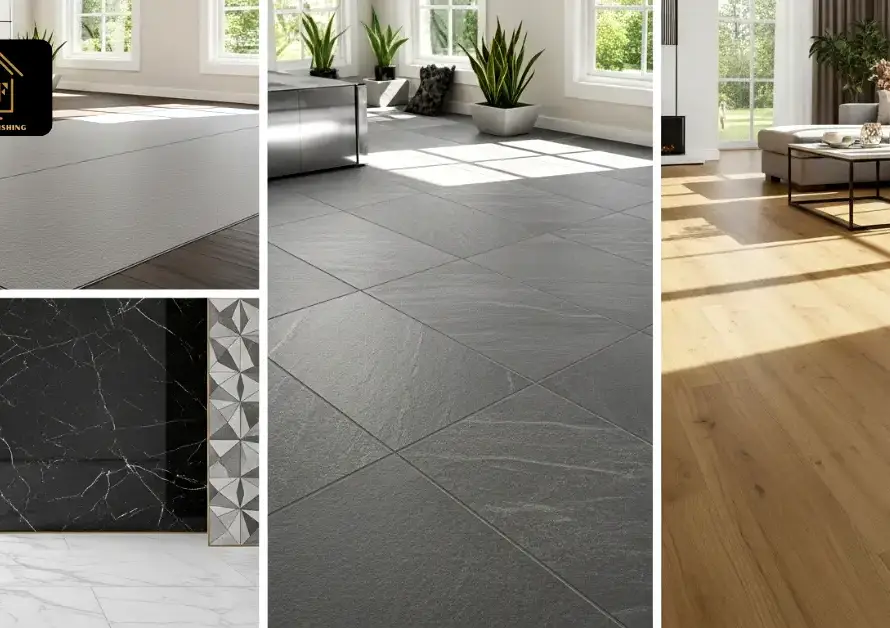
Before installation, go through each room with your installer and confirm the right product for each space. For kitchens and bathrooms, stone vinyl flooring handles moisture and daily spills best. For living rooms and bedrooms, wood vinyl flooring gives you that warm, natural feel without the upkeep of real timber.
9. What Your Supplier and Warranty Say About Your Floor
Most people spend a lot of time picking the right design and very little time checking who they are actually buying from. That is usually where things go wrong before a single plank is even ordered.
Vinyl flooring ranges from cheap options with no warranty to quality products with long-term residential guarantees. Before committing, ask:
- What the warranty actually covers
- How long does it last
- Whether it covers both the product and the workmanship
A supplier who cannot answer these clearly is not worth buying from. Always see and feel samples before deciding. Photos never tell the full story.
10. What to Do Before Your Installer Arrives
Most homeowners think their job is done once they have picked the floor and booked the installer. What you do before installation day has a direct impact on how smoothly the job goes and how good the final result looks.
Before the team arrives, make sure you have:
- Cleared the room completely of furniture, rugs, and loose items
- Removed baseboards or confirmed with your installer who handles that
- Kept pets in a separate room away from the noise and activity
- Ventilated the space so the room stays comfortable during installation
The more prepared the space is, the faster and cleaner the job gets done.
Conclusion
Vinyl flooring is one of the best decisions you can make for your home. It handles the heat, survives the humidity, and holds up to daily life in ways most other flooring simply cannot. But like any renovation, what you know before the work begins is what separates a floor that lasts from one that does not.
You now know what to check, what to ask, and what to watch out for. That puts you in a much better position than most homeowners who only find out what went wrong after the job is done.
The next step is finding a supplier you can trust. Xin Furnishing can help you find the right product for your space, answer every question you have, and give you a clear quote before anything is signed. Reach out to the team and get it sorted.
FAQs
1. Is vinyl flooring suitable for homes with underfloor heating in Singapore?
Most quality LVT is compatible with underfloor heating, but not all products are. Before buying, confirm with your supplier that the product is specifically rated for it. Using an incompatible product can cause planks to warp over time and void your warranty.
2. How do I know if my vinyl flooring contains harmful chemicals like formaldehyde?
Ask your supplier for safety certifications before buying. Reputable products carry certifications like FloorScore that confirm low or zero VOC emissions. Where the aircon keeps windows closed most of the day, this is worth checking before you commit.
3. Can vinyl flooring be installed in a rented HDB flat or condo?
It depends on your tenancy agreement. Most require tenants to restore the property before moving out. Click-lock vinyl can be removed cleanly without hacking or adhesive, which makes it more practical for tenants than most flooring types. Always get written permission from your landlord first.
4. How long do I need to stay out of the room after vinyl flooring is installed?
With click-lock installation, you can walk on the floor immediately. No curing time, no fumes. If adhesive was used, allow at least 24 hours before using the room normally.
5. Does vinyl flooring increase the resale value of an HDB flat?
Not dramatically on its own, but a floor in good condition makes a strong first impression on buyers. Worn or damaged flooring can actively affect offers. A quality product with a strong wear layer means your floor still looks good when it matters most.