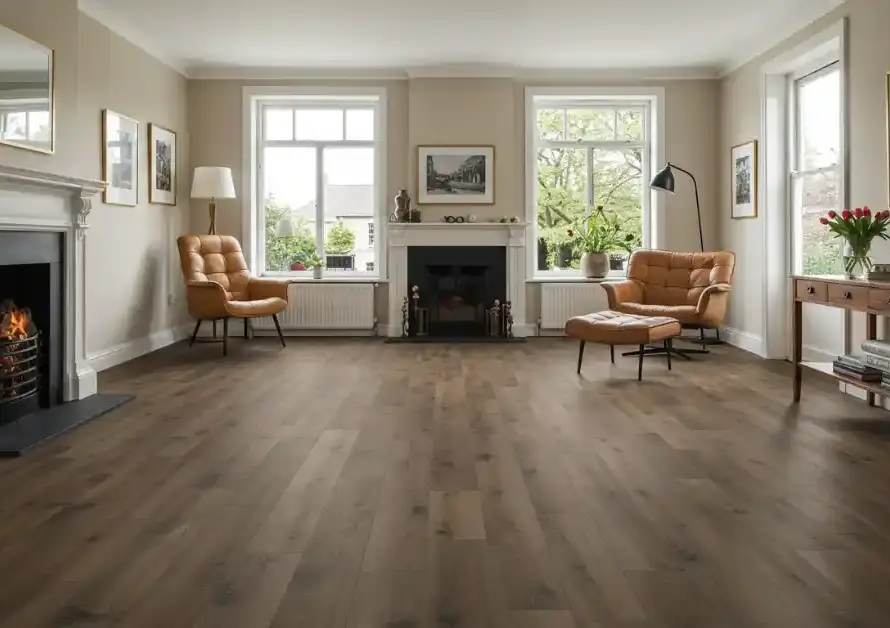
You finally got that microcement vinyl flooring installed, and honestly? It looks incredible. That smooth, seamless finish. The way it makes your whole home feel more put-together. Worth every dollar.
But here’s what nobody tells you at the showroom. Even the toughest-looking floors need proper care. Singapore’s humidity, everyday foot traffic, and the occasional kopi spillage all quietly add up. Before you know it, that gorgeous finish starts looking dull, cloudy, or scratched beyond a quick fix.
If you’re wondering how to maintain microcement vinyl flooring, the good news is that keeping it in top condition is nowhere near as hard as most people think. No expensive equipment. No weekend-long deep cleans. Just a few simple habits that take minutes, not hours.
This guide covers everything from your cleaning routine and stain fixes to Singapore-specific tips that most homeowners only wish they knew sooner.
How to Clean Microcement-Look Vinyl Flooring the Right Way
Cleaning your floor does not have to be complicated. But doing it the wrong way can slowly damage it without you even noticing. Below is a simple routine that keeps it in great shape.
- Always sweep or dry mop first. Tiny bits of sand and dust settle on the floor every day, especially near the front door. If you skip this step, all that dirt just gets pushed around when you mop and scratches the surface over time.
- When you mop, make sure the mop is damp, not soaking wet. Squeeze out the extra water before you start. Too much water sitting on microcement vinyl is not good, especially in Singapore, where it is already humid and things take longer to dry.
- Use a pH-neutral floor cleaner. You can find it at any home or hardware store. Stay away from bleach, vinegar, and strong chemical cleaners. They might smell like they are working but they wear down your floor finish slowly and that damage is hard to fix later.
Not sure which cleaning product is right for your floor? Check out our guide on the best cleaning products for vinyl floors.
Sweep daily. Mop twice a week. That is really all the routine your floor needs to stay clean and scratch-free.
How to Remove Stains from Microcement Vinyl Flooring
Stains happen. A spilt drink, a muddy footprint, a sauce splatter from cooking. The most important thing to know is this: the faster you clean it up, the easier it comes off. A fresh stain takes seconds to wipe away. A dried one takes a lot more work.
Here is how to handle the most common ones:
- Food and drink stains: Wipe them up straight away with a damp cloth. If it has already dried, dampen the area first and let it sit for a minute before wiping. Do not scrub hard. Gentle circular motions work better and will not damage the surface.
- Scuff marks: These usually come from shoe soles or furniture being dragged across the floor. A little bit of floor cleaner on a soft cloth and some light rubbing is usually enough to lift them off.
- Grease and oil: This one needs a slightly stronger approach. A few drops of dish soap mixed with warm water works well. Apply it to the stain, leave it for two minutes, then wipe clean. Rinse the spot with a damp cloth after so that no soapy residue is left behind.
One rule that applies to every single stain: Do not use sharp or rough tools to scrape it off. It feels satisfying, but it leaves marks that cannot be undone. That is when vinyl flooring repair becomes the only option.
Simple Habits That Protect Your Floor Every Day
Most floor damage does not come from big accidents. It comes from small things that add up over time. A few simple habits done consistently go a long way in keeping your microcement vinyl flooring in great shape.
- Stick felt pads under all furniture legs. Chairs and tables are moved more often than you think, and even small movements leave marks over time.
- Avoid direct sunlight on the floor for long hours. UV exposure causes the colour to fade gradually, and it is not something you notice until it is too late. Light-filtering curtains in sun-facing rooms help a lot.
- Roll up rugs or mats occasionally and clean underneath. Trapped moisture underneath is one of the most common causes of edge lifting.
- Do not wear high heels on microcement vinyl. The concentrated pressure from a small heel tip is surprisingly damaging to the surface.
Caring for Your Floor in Singapore’s Climate
Singapore’s weather is tough on floors in ways most people do not think about until something goes wrong. The heat, the humidity, and the way our homes are built all play a part. Knowing what to watch out for puts you ahead of most homeowners.
- Humidity and moisture: Microcement vinyl expands and contracts slightly depending on the temperature and moisture in the air. Over time, if moisture gets trapped underneath, the edges can start to lift. Keep your home well ventilated, and if you run the air conditioning often, try not to let the temperature swing too drastically between rooms.
- Air con drips: This one catches a lot of people off guard. If your fan coil unit or window unit drips onto the floor and it sits there unnoticed, it creates a moisture problem right at the surface. Make it a habit to check around your air conditioning units and wipe up any drips quickly.
- Sandy corridors and entrances: HDB corridors especially bring in a surprising amount of fine grit. A good doormat at every entrance does more for your floor than most people realise. It stops the problem before it even gets inside.
- Wet kitchen areas: If your microcement vinyl runs into the wet kitchen, that area needs a little more attention. Dry it down after cooking and make sure water does not pool near the edges or seams for too long.
Singapore is not an easy climate for any flooring. But a few small adjustments to your routine make a big difference in the long run.
Conclusion
A good vinyl flooring maintenance routine does not ask for much. Clean it the right way, deal with spills before they set, and pay attention to what Singapore’s climate throws at it. Do those things, and you will rarely have to think about your floor at all.
That is really the whole point of this guide. Not to add more to your plate but to make sure the effort you put in actually counts.
Still exploring your flooring options? Xin Furnishing offers a wide range of vinyl flooring in Singapore, including microcement vinyl, to help you find the perfect fit for every room in your home. Contact us today and let our team help you make the right choice.
FAQs
1. How long does microcement vinyl flooring last?
With proper care, it can last anywhere between 10 and 20 years. The biggest factors are how well it was installed, how much foot traffic it gets daily, and whether the right cleaning routine is followed consistently.
2. Can microcement vinyl flooring be repaired if it gets damaged?
Minor scratches and scuffs can sometimes be buffed out, depending on the severity. More serious damage, like tears, chips, or lifted edges, usually needs a professional to assess. Trying to fix it yourself with the wrong products can make it worse.
3. Does microcement vinyl flooring work with underfloor heating?
Most microcement vinyl flooring is compatible with underfloor heating systems, but always check the product specifications before installing. Over time, excessive heat can cause the material to warp or separate at the seams.
4. Is microcement vinyl flooring pet-friendly?
It is generally scratch-resistant enough for pets, but long or sharp claws can still leave marks over time. Keeping your pet’s nails trimmed and placing mats in areas where they rest or play helps protect the surface.
5. Does microcement vinyl flooring add value to a home in Singapore?
A well-maintained floor in good condition contributes to a home’s overall presentation, especially during resale or rental. Buyers and tenants notice flooring more than most sellers expect.