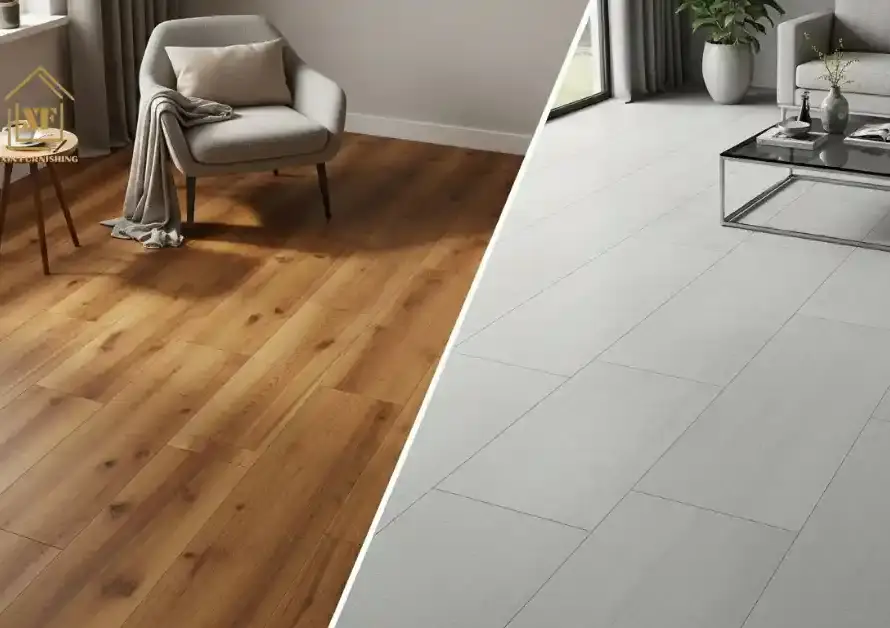
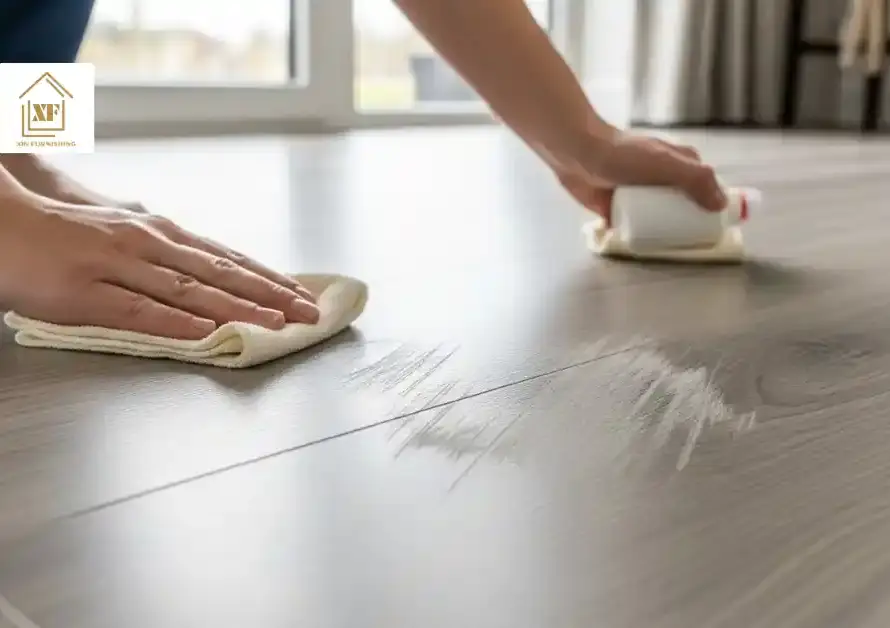
If you’re planning to renovate your home without the hassle of removing old tiles, you may be wondering, can you install vinyl flooring over tile? The answer is yes—provided your existing tiled floor is in good condition and properly prepared.
Installing vinyl flooring over existing tiles has become an increasingly popular renovation solution across Singapore. Instead of hacking up old ceramic or porcelain tiles, many homeowners choose to install modern vinyl flooring directly over the existing surface, saving both time and renovation costs while avoiding unnecessary mess.
Whether you live in an HDB flat, condominium or landed property, this installation method can give your home a fresh new appearance with minimal disruption. However, achieving long-lasting results depends on several factors, including the condition of the existing floor, proper surface preparation, and selecting the right type of vinyl flooring.
In this guide, we’ll explain when installing vinyl flooring over ceramic tile is recommended, when tile removal is the better option, the best vinyl flooring choices for Singapore homes, and the essential steps for a successful installation.
Can You Install Vinyl Flooring Over Tile?
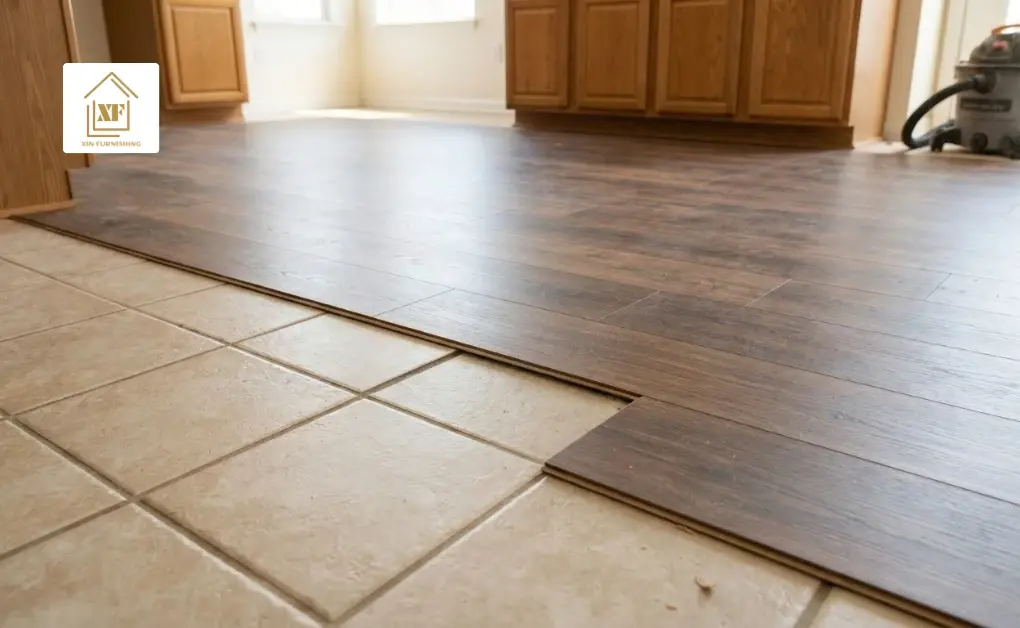
Yes, you can install vinyl flooring over tile as long as the existing tiled surface is stable, clean, dry and level. In many cases, there is no need to remove ceramic or porcelain tiles before installing modern vinyl flooring, making it one of the quickest and most cost-effective ways to refresh your home’s interior.
Modern flooring systems such as SPC flooring, Luxury Vinyl Plank (LVP) and Luxury Vinyl Tile (LVT) are designed to be installed over a variety of hard surfaces. Their rigid core construction and click-lock installation system allow them to sit securely above existing tiles without extensive demolition.
However, not every tiled floor is suitable. Before installation, a professional flooring installer should inspect the existing floor for issues such as:
- Loose or hollow tiles
- Cracked or broken tiles
- Deep grout lines
- Uneven surfaces
- Moisture damage
- Significant height differences
Ignoring these issues may cause the new vinyl flooring to flex, separate or wear prematurely, reducing its lifespan and potentially affecting the manufacturer’s warranty. We cover each of these in more detail in the sections below, along with how to fix them before installation.
For the best results, the existing tiles should provide a solid and even foundation. If your existing floor meets these requirements, installing vinyl flooring directly over tiles can provide an attractive, durable and long-lasting finish without the inconvenience of removing the original flooring.
Why More Singapore Homeowners Are Installing Vinyl Flooring Over Existing Tiles
In Singapore, many homes still feature ceramic or porcelain tile flooring installed years ago. While these tiles often remain structurally sound, their appearance may no longer suit modern interior styles. Instead of undergoing a full floor replacement, many homeowners choose to install vinyl flooring over the existing tiles as a faster and more practical renovation solution.
One of the biggest advantages is that it eliminates the need for hacking and disposing of old tiles. This significantly reduces dust, noise and renovation waste, making the process far less disruptive for families living in the property.
Installing vinyl flooring over tiles also helps shorten renovation timelines. Because the existing floor remains in place, installers can complete the project much faster than a full tile removal and replacement.
Additional reasons why Singapore homeowners choose this installation method include:
- Cost-Effective Renovation: Removing old tiles involves demolition, disposal, floor preparation and additional labour costs. Installing vinyl flooring directly over tiles can reduce renovation expenses while still achieving a completely new look.
- Minimal Disruption: For occupied homes, avoiding tile removal means less noise, less dust and a cleaner renovation process. This is particularly beneficial for families with young children, elderly residents or pets.
- Faster Installation: Most click-lock vinyl flooring systems can be installed efficiently once the existing tiles have been inspected and prepared, reducing the overall renovation period.
- Waterproof Performance: High-quality SPC vinyl flooring is highly water-resistant, making it an excellent choice for kitchens, dining areas and other spaces exposed to occasional moisture.
- Modern Design Options: Today’s vinyl flooring is available in a wide range of realistic timber, stone and concrete finishes, allowing homeowners to achieve the appearance of premium materials without the associated cost or maintenance.
- Comfortable Underfoot: Compared to ceramic tiles, vinyl flooring provides a warmer, quieter and more comfortable walking surface, making it ideal for everyday living.
When professionally installed, vinyl flooring can transform older tiled homes into modern living spaces without the inconvenience of extensive renovation work.
What Types of Tiles Can Vinyl Flooring Be Installed Over?
Vinyl flooring can be installed over many types of existing hard flooring, provided the surface is structurally sound, level and free from major damage.
Below are the most common tile types suitable for vinyl flooring installation.
- Ceramic Tiles: Ceramic tiles are among the most suitable surfaces for installing vinyl flooring. As long as they are securely bonded and the grout lines are relatively shallow, they provide a stable base for most click-lock flooring systems.
- Porcelain Tiles: Porcelain tiles are denser and more durable than ceramic tiles, making them an excellent foundation for SPC flooring and Luxury Vinyl Plank installations.
- Homogeneous Tiles: Commonly found in older HDB flats and commercial properties, homogeneous tiles can usually support vinyl flooring installation once any damaged areas have been repaired and the surface has been levelled.
- Marble Flooring: Natural marble can also serve as a suitable base, provided it is stable and free from movement. Because polished marble is extremely smooth, installers may recommend additional preparation to improve stability.
- Granite and Natural Stone Tiles: Vinyl flooring can also be installed over granite and other natural stone surfaces if the floor remains flat and structurally sound.
- Existing Vinyl Tiles: In some cases, new vinyl flooring can even be installed over older vinyl flooring. However, this depends on the condition of the existing material. Loose, damaged or heavily cushioned flooring should usually be removed before installation.
- When Existing Tiles Need Additional Preparation: Even if the tiles are suitable, additional floor preparation may still be required if you have deep grout joints, uneven tile edges, minor cracks, isolated damaged tiles, or other surface imperfections. A professional installer can determine whether levelling compound or minor repairs are needed before installation begins.
Which Type of Vinyl Flooring Is Best for Existing Tiles?
Not all vinyl flooring products perform equally when installed over existing tiled floors. Choosing the right product plays an important role in achieving a durable, attractive and long-lasting result.
SPC Flooring
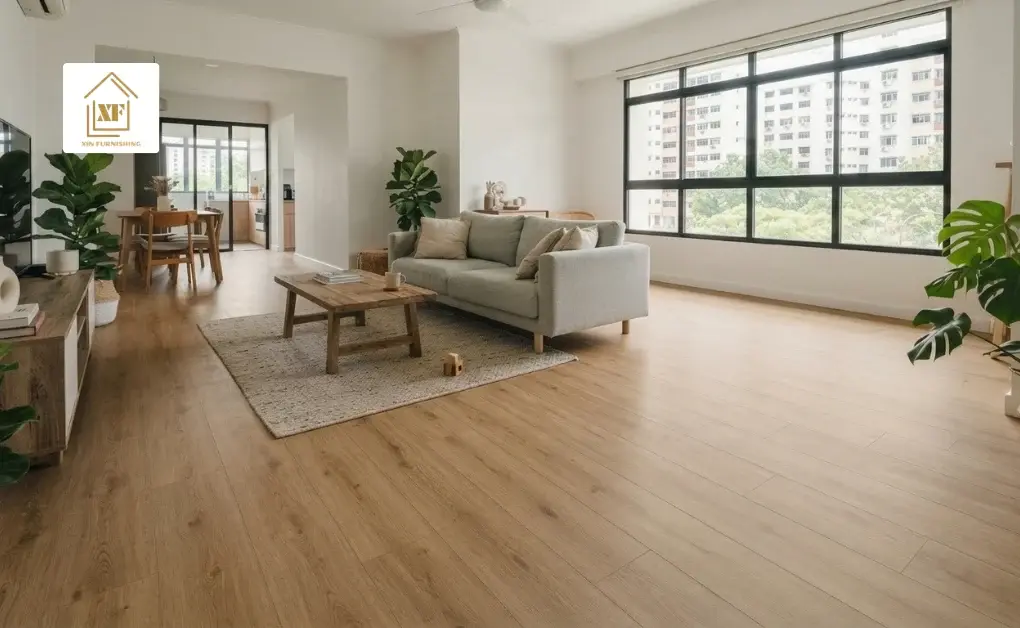
For most Singapore homes, Stone Plastic Composite (SPC) flooring is the preferred choice for installation over tiles.
Its rigid core construction provides excellent dimensional stability, helping minimise the visibility of grout lines beneath the flooring. SPC flooring is also highly resistant to moisture, scratches and daily wear, making it suitable for busy households.
Best for: HDB flats, condominiums, landed homes, kitchens, living rooms, bedrooms
Luxury Vinyl Plank (LVP)
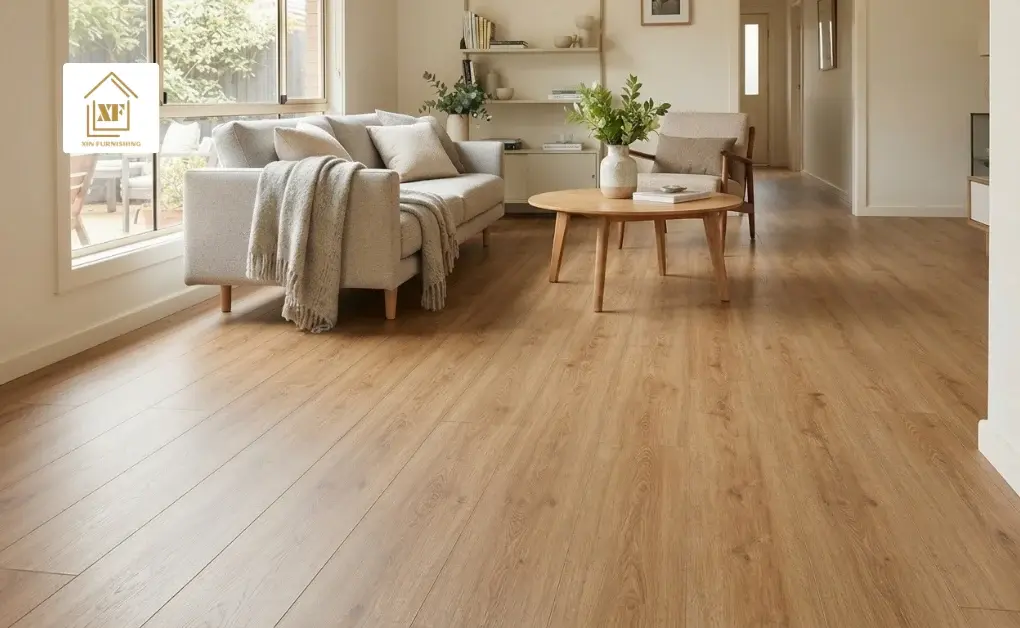
Luxury Vinyl Plank replicates the appearance of natural timber while offering easier maintenance and improved water resistance.
High-quality LVP with a thicker core performs well over existing tiles, particularly when the tiled surface has been properly prepared. Timber-look options such as the Wooden Vinyl Flooring 5mm collection are well suited to this kind of installation, combining a realistic wood finish with the stability needed for overlaying tiled floors.
Ideal for: Bedrooms, living areas, home offices
Luxury Vinyl Tile (LVT)
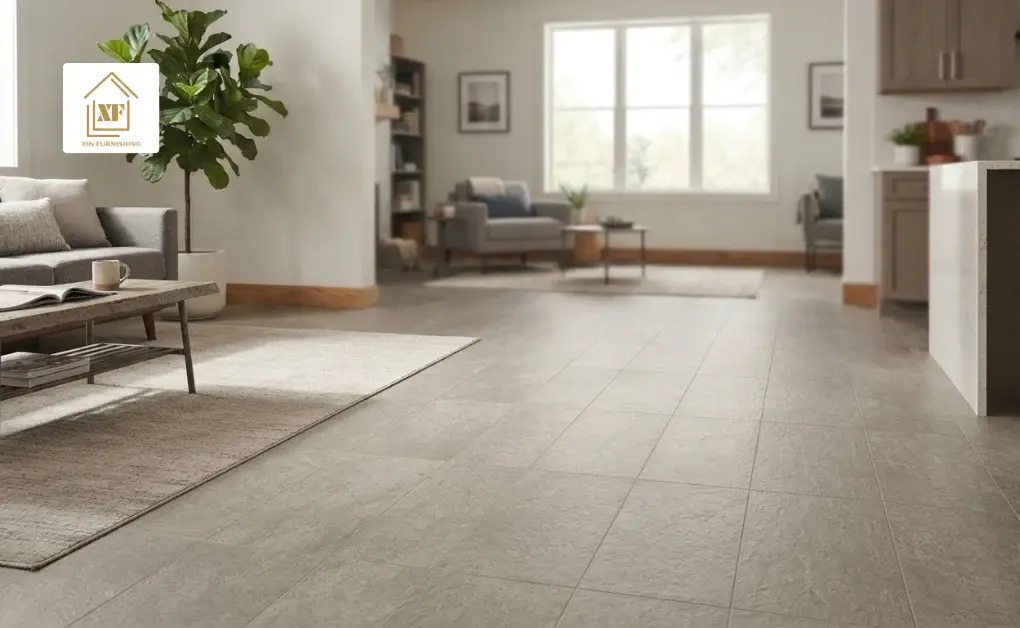
Luxury Vinyl Tile offers the appearance of stone or ceramic finishes while providing a softer and warmer surface underfoot. It is well suited to homeowners looking for contemporary flooring designs without the expense of natural stone.
Glue-Down Vinyl Flooring
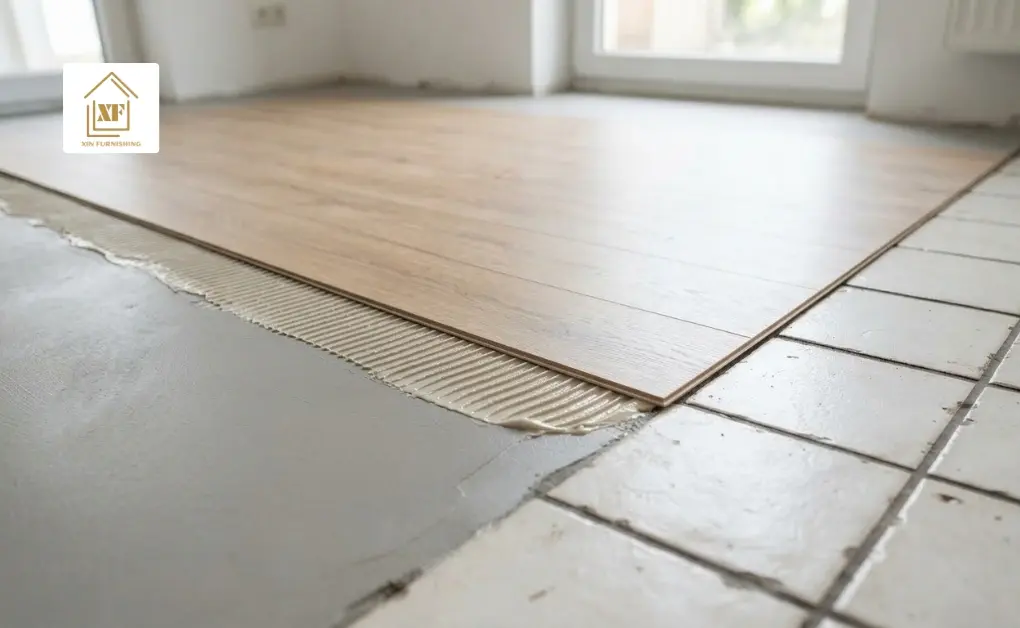
Glue-down vinyl creates a secure bond with the subfloor but requires a perfectly smooth surface. Any grout lines or imperfections beneath the flooring are more likely to become visible over time. For this reason, extensive floor preparation is usually necessary before installation over tiles.
Loose Lay Vinyl Flooring
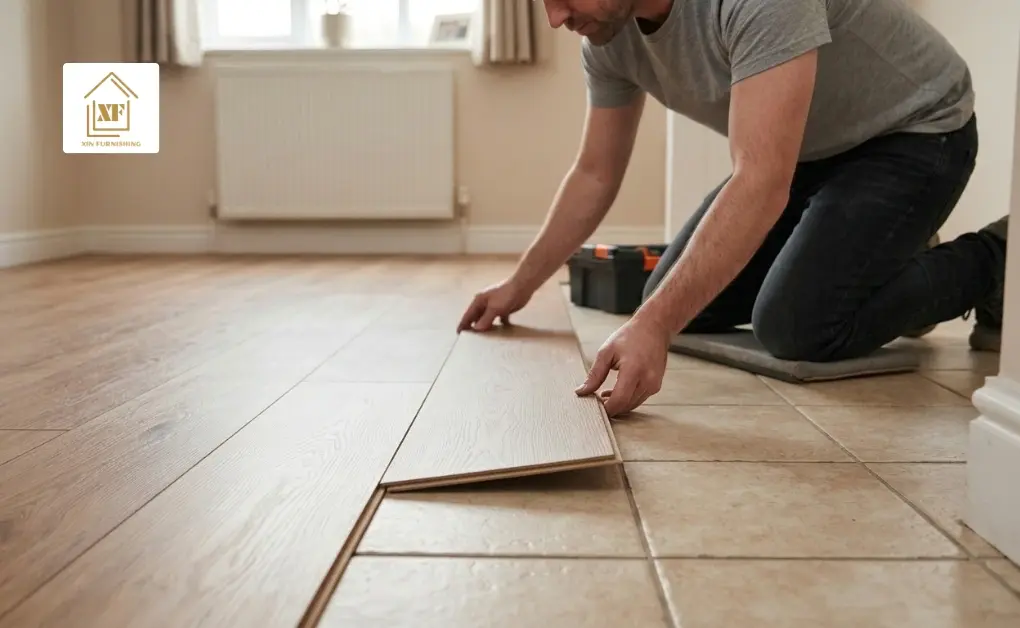
Loose lay vinyl can be installed over suitable tiled surfaces, although it generally performs best in smaller residential areas where heavy movement is limited.
When Should You NOT Install Vinyl Flooring Over Tile?
Although installing vinyl flooring over existing tiles is often a practical and cost-effective solution, it isn’t suitable for every floor. The condition of your existing tiles plays a significant role in determining whether the installation will perform well over time.
If the tiled surface is unstable or uneven, installing new flooring directly over it may lead to movement, visible imperfections, premature wear or even damage to the locking system. In some situations, removing the old tiles before installation is the better long-term investment.
- Loose or Hollow Tiles: Every tile should be firmly bonded to the subfloor. If tiles move underfoot or sound hollow when tapped, they may no longer provide a stable foundation for your new flooring. Installing Luxury Vinyl Plank (LVP) or SPC flooring over loose tiles can cause the planks to flex, separate or develop gaps over time. Damaged tiles should be repaired or replaced before installation begins.
- Cracked or Broken Tiles: Small hairline cracks may not always be a problem, but severely cracked, chipped or broken tiles should never be covered without repairs. Uneven pressure beneath the vinyl flooring can weaken the locking system and reduce the lifespan of the floor.
- Deep Grout Lines: One of the most common concerns homeowners ask is whether grout lines will show through the vinyl flooring. Deep grout joints can create visible ridges over time, especially when thinner vinyl products are used. Professional installers often fill these joints with a self-levelling compound to create a smooth, even surface before installation.
- Uneven Floors: Even high-quality rigid core flooring requires a reasonably level surface. If the existing floor has dips, raised tiles or uneven sections, these imperfections should be corrected before installing new flooring. An uneven foundation may result in creaking, movement or premature wear.
- Moisture Problems: Moisture trapped beneath the flooring can eventually affect its performance. If the existing tiles show signs of water damage, mould, damp patches or excessive moisture, these issues should be resolved before installation. Depending on the property, a moisture barrier may also be recommended.
- Excessive Floor Height: Installing vinyl flooring over existing tiles increases the finished floor height. While this is rarely a major issue, it’s important to check that doors can still open freely, built-in cabinets have sufficient clearance, appliances fit correctly beneath countertops, and transition strips can be installed safely between rooms. If the additional height creates accessibility or safety concerns, removing the existing tiles may be the better solution.
Expert Tip: A professional floor inspection can quickly identify whether your existing tiles are suitable for vinyl flooring installation, helping you avoid costly problems later.
Step-by-Step Guide to Installing Vinyl Flooring Over Tiles
While installation methods may vary depending on the flooring product, most professional installers follow a similar process to achieve a durable and long-lasting finish.
- Inspect the Existing Floor – Check the tiled surface for loose tiles, cracks, moisture issues and uneven areas.
- Clean the Surface – Vacuum and clean the floor thoroughly to remove dust and debris before installation.
- Repair Imperfections – Replace damaged tiles and fill grout joints where necessary.
- Level the Floor – Apply a self-levelling compound if the surface is uneven.
- Install a Moisture Barrier (If Required) – Depending on the flooring product and subfloor conditions, a moisture barrier may be recommended to protect the flooring from rising damp.
- Lay the Vinyl Flooring – Most SPC flooring and click-lock vinyl flooring systems are installed as floating floors. Each plank locks securely into the next without requiring adhesive, allowing for faster installation and easier future replacement if required.
- Maintain Expansion Gaps – Leave a small expansion gap around the room perimeter to allow the flooring to expand and contract naturally with changes in temperature.
- Install Finishing Trims – Reinstall skirting boards and fit transition strips between different flooring surfaces for a neat, professional appearance.
Pros and Cons of Installing Vinyl Flooring Over Tile
| Advantages | Considerations |
| No need to remove existing tiles | Floor height increases slightly |
| Faster installation | Doors may require trimming |
| Less renovation noise and dust | Damaged tiles still need repairs |
| Lower renovation costs | Deep grout lines require preparation |
| Reduced renovation waste | Professional inspection is recommended |
| Waterproof flooring options available | Moisture issues must be resolved first |
| Comfortable underfoot | Poor preparation can shorten floor lifespan |
| Modern designs with realistic wood and stone finishes | Some flooring products require additional underlay |
Overall, installing vinyl flooring over existing tiles is an excellent option when the floor is properly prepared and the right flooring product is selected.
Common Mistakes to Avoid
Most flooring problems trace back to the same handful of preparation steps being skipped — installing over loose tiles, ignoring deep grout lines, or skipping moisture checks, as covered earlier. Beyond that, two other mistakes are worth flagging separately:
- Choosing Low-Quality Flooring: Thin or poorly constructed vinyl flooring is more likely to show imperfections in the existing floor. High-quality SPC flooring with a rigid core provides better stability and durability.
- Forgetting Expansion Gaps: Vinyl flooring naturally expands and contracts with temperature changes. Failing to leave sufficient expansion gaps around walls and fixed objects may cause buckling or lifting.
- Attempting DIY Without Experience: Although click-lock flooring is relatively easy to install, achieving a professional finish still requires careful floor preparation, accurate measurements and the correct installation techniques.
Do You Need an Underlay or Moisture Barrier?
Whether you need an underlay or moisture barrier depends on the type of vinyl flooring you choose and the condition of the existing subfloor.
Underlay
Many premium SPC flooring products already include an integrated acoustic underlay, meaning no additional underlay is required. However, some flooring manufacturers recommend a separate underlay to improve sound insulation or compensate for minor floor imperfections. Always follow the manufacturer’s installation guidelines to protect your product warranty.
Moisture Barrier
A moisture barrier helps prevent moisture from travelling through the subfloor and becoming trapped beneath the flooring. It is particularly recommended for ground-floor properties, concrete subfloors, older buildings, areas with higher humidity, and rooms prone to occasional moisture exposure.
Using the correct moisture protection can significantly improve the long-term performance of your flooring.
HDB Flooring Considerations in Singapore
For many HDB homeowners, installing vinyl flooring over existing tiles offers a practical way to modernise their home without undertaking major renovation work.
Because the original tiles remain in place, the installation process is typically quicker, cleaner and less disruptive than removing the existing flooring.
Before proceeding, homeowners should consider:
- The condition of the existing tiled floor
- Overall floor height after installation
- Door and cabinet clearances
- Transition levels between rooms
- Manufacturer installation recommendations
- Whether professional installation is required to maintain the flooring warranty
Flooring works are also subject to general building and renovation guidelines in Singapore, particularly around noise control and waterproofing near wet areas — so it’s worth confirming with your installer that these are being followed. Choosing experienced flooring professionals also helps ensure the installation meets industry best practices and delivers a high-quality finish that will perform well for years to come.
Cost Comparison: Installing Vinyl Flooring Over Tiles vs Removing Existing Tiles
One of the biggest reasons Singapore homeowners choose to install vinyl flooring over existing tiles is the potential to reduce renovation costs. Since the original tiled floor remains in place, there is no need for hacking, debris removal or extensive floor preparation, making the renovation quicker and more cost-effective.
However, the total cost depends on several factors, including the size of the area, the condition of the existing tiles, the type of vinyl flooring selected and whether additional floor levelling is required.
General Cost Comparison:
| Renovation Option | Typical Cost (psf, all-in) | Installation Time | Dust & Noise | Best For |
| Install vinyl flooring over existing tiles | Approx. S$4–9 psf | 1–3 days | Minimal | Tiles in good condition |
| Remove existing tiles & install new flooring | Approx. S$6–13+ psf (hacking and disposal add S$2–5 psf) | 4–7 days | High | Damaged or uneven tiled floors |
For a standard 4-room HDB flat, overlaying vinyl over existing tiles typically saves around S$2,000–4,500 compared to hacking and re-tiling first, since the demolition, disposal and screed work are skipped entirely.
Installing SPC flooring over tiles is often the more economical choice because it avoids demolition costs while still delivering a modern, durable floor finish.
Although installing directly over tiles may cost less initially, it is essential to ensure the existing floor is suitable. A professional assessment can help prevent expensive repairs in the future.
Tip: Rather than focusing solely on the installation price, consider the long-term value. High-quality flooring installed correctly will typically last much longer and require fewer repairs. At Xin Furnishing, we provide itemised quotations so you can see exactly what’s included before committing.
DIY vs Professional Vinyl Flooring Installation
Many homeowners wonder whether they should install vinyl flooring over tile themselves or hire experienced flooring professionals.
While modern click-lock flooring systems are easier to install than many traditional flooring materials, achieving a flawless finish requires more than simply joining planks together.
DIY Installation
Advantages: Lower labour costs, flexible installation schedule, suitable for small rooms, personal satisfaction
Considerations: Requires accurate measurements, floor preparation is critical, mistakes may affect the locking system, incorrect installation may void the manufacturer’s warranty, additional tools may be required
Professional Installation
Hiring experienced flooring installers offers greater peace of mind, particularly for larger homes or complex renovation projects. Professional installers understand how to inspect the existing tiled floor, check moisture levels, repair damaged tiles, level uneven surfaces, install expansion gaps correctly, achieve a seamless finish, and protect the flooring warranty.
For most Singapore homeowners, professional installation provides the best balance between quality, durability and long-term value.
Expert Tips for Installing Vinyl Flooring Over Tiles
Whether you’re renovating an HDB flat, condominium or landed property, these professional recommendations can help ensure a successful installation.
- Always Inspect the Existing Floor First: Never assume your tiles are suitable simply because they appear undamaged. A professional inspection can identify hidden issues such as loose tiles, hollow spots or moisture problems before installation begins.
- Choose Rigid Core SPC Flooring: Rigid SPC flooring performs exceptionally well over existing tiled surfaces because its dense core helps bridge minor grout lines and provides excellent stability.
- Don’t Ignore Floor Preparation: Most flooring problems result from poor preparation rather than poor-quality flooring. Cleaning, levelling and repairing the existing surface are essential steps that should never be skipped.
- Select an Appropriate Wear Layer: If you have children, pets or heavy foot traffic, choose vinyl flooring with a thicker wear layer to improve scratch resistance and durability.
- Follow Manufacturer Guidelines: Every flooring manufacturer provides installation recommendations. Following these guidelines helps protect your product warranty and ensures the flooring performs as intended.
- Allow Flooring to Acclimatise: Before installation, leave the flooring in the room for at least 24–48 hours so it can adjust to the indoor temperature and humidity. This helps minimise expansion and contraction after installation.
- Use the Correct Transition Profiles: Install suitable transition strips where vinyl flooring meets tiles, timber flooring or carpet to create a safer and more professional finish.
Conclusion
Installing vinyl flooring over existing tiles is an excellent way to modernise your home without the expense and disruption of removing the original flooring. When the tiled surface is stable, level and properly prepared, premium flooring solutions such as SPC flooring and Luxury Vinyl Plank (LVP) can deliver a durable, attractive and low-maintenance finish for years to come.
For homeowners in Singapore, this renovation method offers several practical advantages, including faster installation, reduced renovation waste, lower labour costs and minimal disruption to everyday life. However, every home is different, which is why assessing the condition of the existing tiled floor before installation is essential.
At Xin Furnishing, we provide professional vinyl flooring installation for HDB flats, condominiums, landed properties and commercial spaces across Singapore. Our experienced team will assess your existing floor, recommend the most suitable flooring solution and ensure every installation is completed to the highest standard.
Whether you’re upgrading a single room or renovating your entire home, we’re here to help you achieve a beautiful, long-lasting floor with confidence.
Frequently Asked Questions
1. Can you install vinyl flooring directly over ceramic tiles?
Yes. Vinyl flooring can usually be installed directly over ceramic tiles if the surface is clean, dry, level and securely bonded to the subfloor.
2. Will grout lines show through vinyl flooring?
They can if the grout joints are deep or the vinyl flooring is very thin. High-quality SPC flooring with a rigid core helps reduce this risk, while levelling compound can be used to fill deeper grout lines.
3. Is SPC flooring better than LVP over existing tiles?
For most Singapore homes, SPC flooring is generally the preferred option because it offers greater rigidity, excellent water resistance and improved stability over tiled surfaces.
4. Can vinyl flooring be installed over cracked tiles?
Minor imperfections can often be repaired before installation. However, severely cracked or loose tiles should be replaced to provide a stable foundation.
5. Do I need to remove old tiles before installing vinyl flooring?
Not necessarily. If the existing tiles are structurally sound and properly prepared, vinyl flooring can often be installed directly over them.