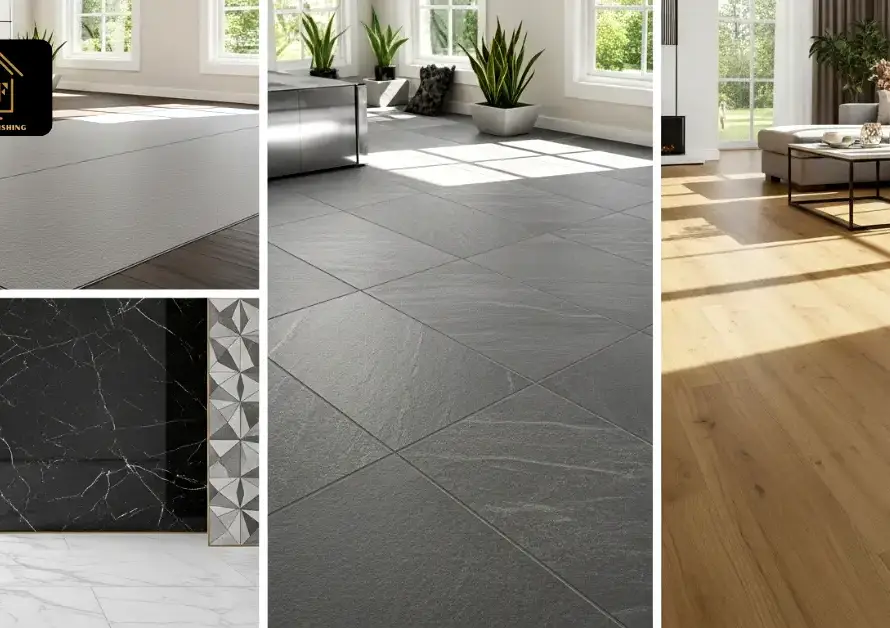
Choosing the right flooring can transform your home. It’s about more than looks; it’s about comfort, durability, and how your home feels every day. Two popular options are vinyl plank flooring and porcelain tiles, each with unique benefits.
For homeowners in Singapore, vinyl flooring often stands out for its combination of practicality, design versatility, and cost-effectiveness. Let’s explore both options so you can decide which is right for your space.
What is Vinyl Flooring?
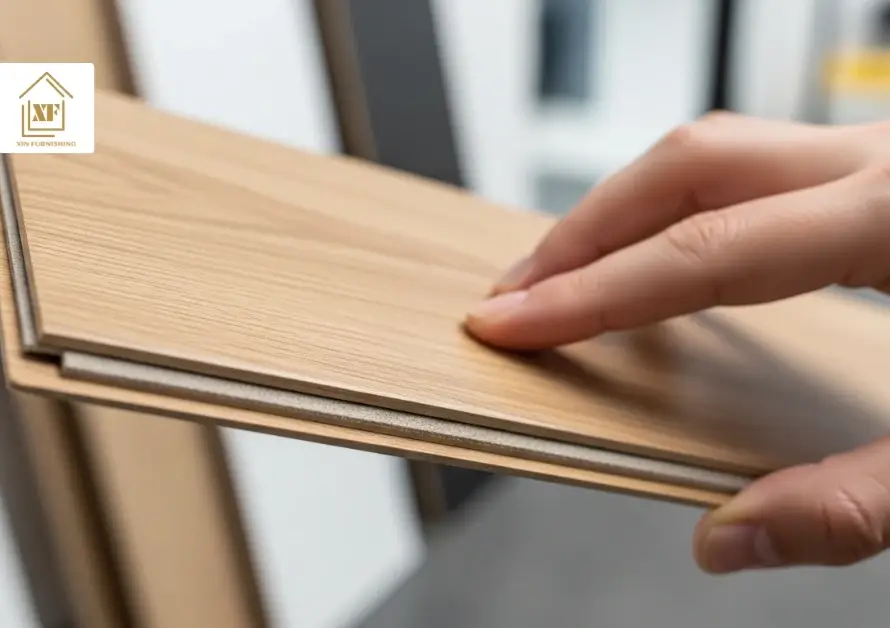
Vinyl flooring is a modern, versatile option made from synthetic materials designed to mimic natural surfaces like wood or stone. Vinyl plank flooring is especially popular in Singapore because it is waterproof, scratch-resistant, and easy to maintain, making it ideal for humid climates and busy households.
Vinyl flooring comes in a wide range of styles and finishes. The Wood Series, for example, offers realistic vinyl wood flooring, while the Stone Series provides stone vinyl flooring that captures the elegance of natural stone. Many vinyl planks feature click-lock or glue-down systems, making installing vinyl plank flooring relatively simple, even for DIY projects.
The main benefits of vinyl flooring include durability, comfort, low maintenance, affordability, and design flexibility, making it a standout choice for living rooms, bedrooms, and even kitchens.
What are Porcelain Tiles?
Porcelain tiles are a dense, water-resistant flooring material that has long been a favourite for kitchens, bathrooms, and high-traffic areas. They are highly durable, resistant to scratches and stains, and available in a wide range of finishes, from polished glossy tiles to textured, matte surfaces.
While porcelain tiles are extremely robust and long-lasting, they are hard and cold underfoot. Installation typically requires professional help, and porcelain tiles price Singapore is generally higher than that of vinyl flooring, making them a bigger upfront investment.
Vinyl Flooring vs Porcelain Tiles
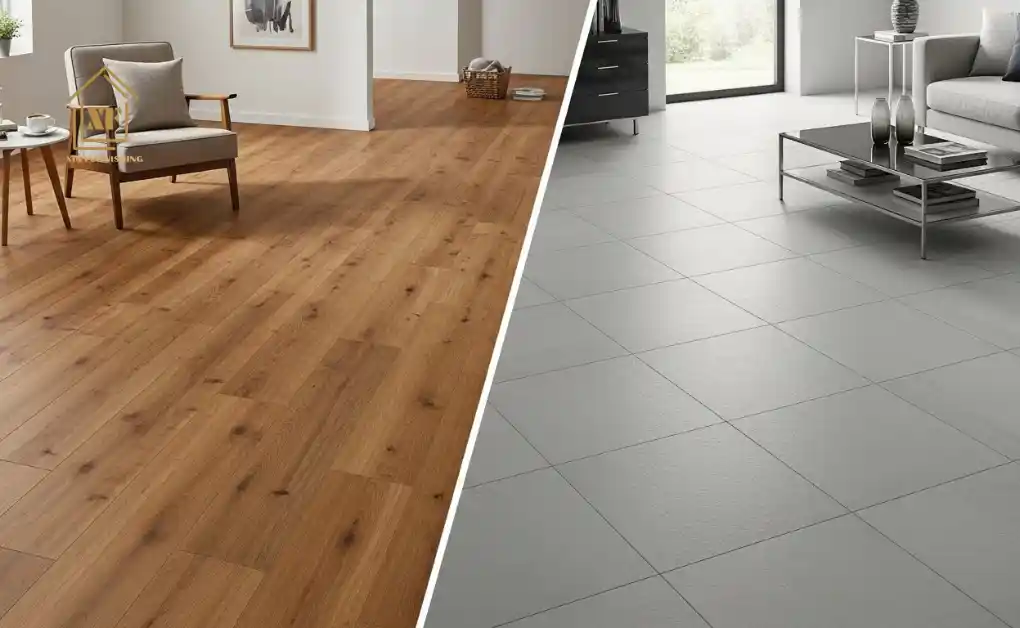
When comparing vinyl flooring and porcelain tiles, several factors come into play. Here’s a detailed breakdown:
1. Aesthetic Appeal
Vinyl flooring: Today, vinyl flooring can replicate natural wood, stone, or concrete. With high-resolution printing, vinyl wood flooring and stone vinyl flooring can give your home a luxurious look without the high cost of natural materials.
Porcelain flooring: Porcelain tiles excel in elegance and sophistication, offering large-format tiles, mosaics, and premium finishes for a high-end feel.
2. Comfort and Warmth
Vinyl flooring: Vinyl planks feel warmer and softer underfoot, making them ideal for bedrooms and living areas. They provide a comfortable surface for walking barefoot or standing for long periods, adding a cosy, inviting feel to your home.
Porcelain flooring: Porcelain tiles are hard and cool, which may not be as comfortable in spaces where you spend a lot of time standing. While elegant and durable, they can feel cold underfoot, especially in living areas or bedrooms.
3. Durability and Maintenance
Vinyl flooring: Vinyl flooring is scratch-resistant and resilient to daily wear. It is ideal for homes with children or pets. Maintenance is simple; sweeping and occasional mopping are usually enough.
Porcelain flooring: Porcelain tiles are almost indestructible and highly resistant to scratches and stains. However, grout lines require periodic cleaning to maintain a pristine look.
4. Water Resistance
Vinyl flooring: Vinyl planks are naturally waterproof, making them a practical choice for kitchens, bathrooms, and laundry areas.
Porcelain flooring: Porcelain tiles are water-resistant, but careful installation is required to prevent moisture issues at grout lines.
5. Cost Considerations
Vinyl flooring: Vinyl plank flooring costs are generally lower than porcelain tiles, and DIY installation can save even more.
Porcelain flooring: Porcelain tiles are more expensive upfront and usually require professional installation, though they offer long-term durability.
6. Design Flexibility
Vinyl flooring: Vinyl flooring offers incredible versatility, including options like vinyl wood and vinyl stone. You can achieve the look of luxury materials at a fraction of the price.
Porcelain flooring: Porcelain tiles offer high-end finishes but less comfort and warmth than vinyl.
Comparison Table
| Feature | Vinyl Plank Flooring | Porcelain Tiles |
| Aesthetic | Realistic wood and stone looks | Elegant, large-format, mosaic designs |
| Comfort | Warm, soft underfoot | Hard, cool surface |
| Durability | Scratch and dent-resistant | Extremely durable |
| Water Resistance | Waterproof, ideal for kitchens/bathrooms | Water-resistant grout may need care |
| Maintenance | Easy, low effort | Grout requires periodic cleaning |
| Cost | Affordable, DIY-friendly | Higher upfront cost, professional installation recommended |
| Design Options | Wood Series, Stone Series, luxury vinyl wood flooring | Polished, textured, large-format finishes |
Conclusion
For homeowners in Singapore, vinyl plank flooring is an excellent choice for style, comfort, and practicality. It offers water resistance, durability, design versatility, and a warm, comfortable feel underfoot, all at a cost-effective price. Options like vinyl wood flooring and stone vinyl flooring make it easy to achieve a high-end look without overspending.
Porcelain tiles remain ideal for areas requiring extreme durability or a sleek, polished finish. However, if comfort, affordability, and low maintenance are priorities, vinyl flooring is a standout solution.
With the right choice, your floors can not only elevate your home’s style but also make daily living more comfortable and enjoyable.
FAQs
1. Can mould grow under porcelain tile?
Yes, mould can develop under porcelain tiles if moisture gets trapped beneath improperly sealed tiles or grout. Proper installation and sealing are essential to prevent this.
2. Are high-end homes using vinyl flooring?
Absolutely. Modern luxury LVT vinyl flooring and high-quality vinyl wood flooring are increasingly used in high-end homes for their durability, aesthetic versatility, and low maintenance.
3. Is vinyl flooring ok in a bathroom?
Yes. Vinyl flooring is waterproof, making it suitable for bathrooms, kitchens, and laundry areas. It provides a warm, slip-resistant surface compared to cold porcelain tiles.
4. What is the rule of 3 flooring?
The “rule of 3” in flooring design recommends limiting the number of different floor materials in a home to three. This creates a cohesive look while allowing each material—like vinyl, porcelain, or carpet- to define specific spaces.