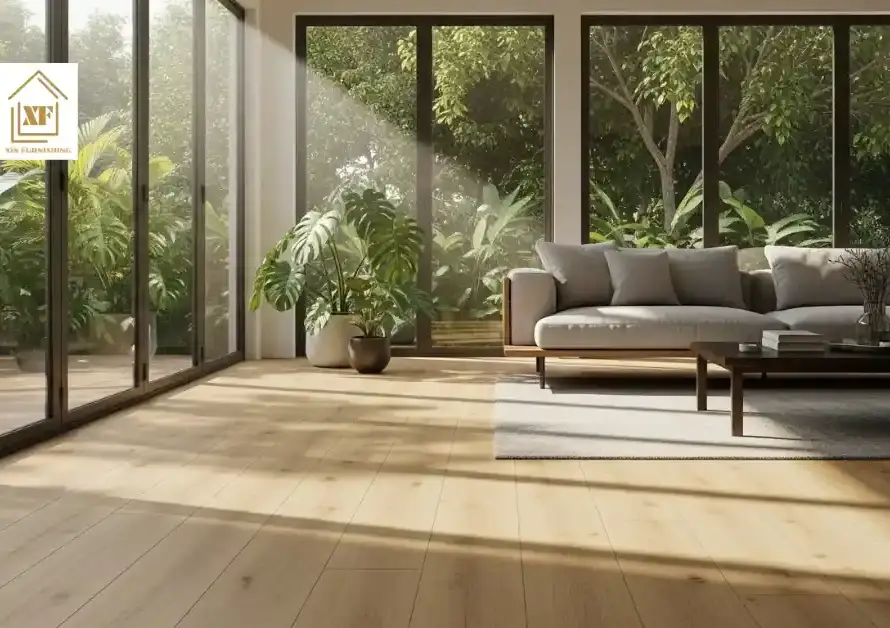
Imagine stepping into your home after a long day. The floor beneath your feet is the first thing you feel. Is it the warm, natural touch of hardwood, or the soft, easy comfort of vinyl? Your flooring isn’t just a background detail; it shapes the mood of every room. It affects how your home looks, how it feels, and even how you live in it. Choosing between vinyl flooring vs hardwood is more than picking a style. It’s about the life you want to create, the memories you’ll make, and the value you wish to hold for years to come. Both have their own story, strength, beauty, cost, and care. This guide will help you determine which one is best suited to your lifestyle and future.
What is Vinyl Flooring?
Vinyl flooring is no longer the outdated sheet material it once was. Today, homeowners can choose from luxury vinyl plank (LVP), vinyl sheet, and vinyl tile, with different types of vinyl flooring available to suit every home style and budget. From wood look vinyl flooring that mimics the warmth of natural timber to stone look vinyl flooring that captures the elegance of marble or slate, each option is designed with impressive realism. Beyond aesthetics, vinyl is water-resistant, versatile, and budget-friendly, making it a go-to choice for busy households.

What is Hardwood Flooring?
Few things can rival the natural beauty of hardwood flooring. Available as both solid and engineered wood, hardwood brings warmth and timeless elegance to any space. A well-maintained hardwood floor can last for generations, transforming it into more than just a design choice; it’s a long-term investment in your home’s character and value.

Vinyl Flooring vs Hardwood – Key Differences

1. Appearance & Aesthetic Appeal
Vinyl flooring can closely mimic hardwood with realistic wood grain textures and finishes. Still, nothing compares to the natural depth and uniqueness of real hardwood. Every plank of wood has its own character, giving spaces warmth and authenticity that vinyl can only imitate.
2. Durability & Lifespan
Vinyl is resistant to scratches, dents, and moisture, making it a smart choice for households with pets or kids. Its lifespan typically ranges from 10 to 25 years. Hardwood flooring, while more sensitive to wear, can be refinished and maintained to last 50 years or more, making it one of the longest-lasting flooring options available.
3. Maintenance & Cleaning
Vinyl flooring is very low-maintenance, needing just routine sweeping and mopping. With a few simple vinyl flooring care and maintenance tips, you can keep it looking new for years. Hardwood requires more care; scratches and dullness build up over time, and refinishing may be necessary to restore its original look. The difference comes down to whether you prefer a quick-care surface or are willing to invest in long-term upkeep.
4. Cost Comparison
Vinyl is the more budget-friendly option, both in material and installation costs. For instance, the cost of vinyl flooring in Singapore is often significantly lower than that of hardwood, making it a popular choice for budget-conscious families. Hardwood requires a larger initial investment but can increase resale value and deliver better long-term returns, especially in premium homes.
5. Sound & Everyday Use
Vinyl tends to feel softer and warmer underfoot, offering comfort in high-traffic spaces like kitchens. It also absorbs sound more effectively, making it ideal for multi-story homes or apartments. Hardwood, on the other hand, feels firmer and more traditional. While it can creak or echo in open spaces, rugs or soundproof underlayment can help minimise the issue.
Vinyl Flooring vs Hardwood at a Glance
| Feature | Vinyl Flooring | Hardwood Flooring |
| Appearance | Realistic wood-look designs (plank, sheet, tile), but manufactured | Natural beauty, unique grain, timeless look |
| Durability | Scratch, dent, and moisture resistant; lasts 10–25 years | Can last 50–100 years with refinishing |
| Maintenance | Simple: sweep & mop | Needs refinishing and careful upkeep |
| Water Resistance | Fully water-resistant (vinyl plank, sheet, tiles) | Sensitive to moisture, can warp or stain |
| Comfort & Sound | Softer, warmer underfoot; absorbs sound well | Firmer feels; can creak or echo |
| Cost | Budget-friendly upfront + DIY-friendly installation | Higher upfront cost + professional installation |
| Resale Value | Improves look but adds little long-term value | Premium feature that increases home value |
| Eco-Friendliness | Synthetic (PVC), limited recyclability | Renewable, biodegradable, and refinished instead of replaced |
| Best For | Kitchens, bathrooms, basements, rentals, high-traffic areas | Living rooms, bedrooms, dining areas, luxury homes |
Pros and Cons of Vinyl Flooring
Vinyl flooring is popular for its affordability and versatility. It gives the look of wood at a fraction of the cost and is easy to install, even for DIY enthusiasts. Its water resistance makes it perfect for kitchens, bathrooms, and basements. Softer underfoot and quieter than hardwood, it’s ideal for busy, high-traffic homes.
On the downside, vinyl doesn’t last as long, usually 10 to 25 years. Since it’s made from PVC, it’s less eco-friendly; however, low-VOC options are available. And while it improves a room’s appearance, it rarely boosts resale value.

Pros and Cons of Hardwood Flooring
Hardwood flooring offers timeless style and natural beauty. With proper care, it can last 50 to 100 years, making it one of the most durable flooring choices. It’s a premium feature that often increases home value, and responsibly sourced hardwood is renewable, hypoallergenic, and healthy for families.
The trade-offs include higher upfront costs and increased maintenance. Hardwood can warp when exposed to water and may require refinishing to restore its shine. It’s also noisier underfoot, though rugs or underlayment can help.

Best Rooms for Each Flooring
- Vinyl Flooring: Perfect for bathrooms, kitchens, laundry rooms, and basements. It stands firm against spills, water, and everyday messes, making it a wise choice for spaces with high moisture or heavy use.
- Hardwood Flooring: Ideal for living rooms, bedrooms, dining areas, and entryways. It brings warmth, beauty, and lasting value to your home. Best in spaces where comfort and style matter most.
Vinyl vs Hardwood: Environmental Impact
When it comes to sustainability, hardwood flooring holds an advantage as a renewable resource. Eco-conscious homeowners often favour FSC-certified or responsibly sourced engineered wood. Hardwood can also be refinished instead of replaced, extending its lifespan.
Vinyl, although improved with low-VOC products, remains synthetic and is made from PVC, which is more challenging to recycle and less environmentally friendly. In terms of end-of-life impact, hardwood is biodegradable, while vinyl often ends up in landfills.
Flooring Trends in 2025
- Vinyl Trends: Wide planks, herringbone patterns, textured finishes, and waterproof LVP are leading the way for modern, practical homes.
- Hardwood Trends: Light stains, matte finishes, reclaimed wood, and engineered wood products are popular, combining sustainability with luxury appeal.
Which Flooring Should You Choose?
- The best choice depends on how you live and what matters most to you. Consider your lifestyle, budget, and long-term goals for your home.
- For busy families with kids or pets: Vinyl is a lifesaver. It’s rugged, water-resistant, and easy to clean, making everyday messes stress-free.
- For homeowners who value luxury or plan to resell: Hardwood is unmatched. Its timeless beauty and lasting value make it a wise investment.
- For budget-conscious renovators or DIYers: Vinyl is your friend. It’s affordable, easy to install, and offers plenty of stylish options.
- For eco-conscious buyers: Responsibly sourced hardwood is the way to go. It’s natural, sustainable, and can last for generations.
Conclusion – Vinyl or Hardwood?
When considering how to choose flooring for your home, there’s no single winner in the vinyl vs hardwood debate; it really depends on your lifestyle. If you’re looking for an affordable, low-maintenance, and water-resistant flooring option, vinyl is your best choice, ideal for busy households, kitchens, and bathrooms.
For timeless beauty, long-term durability, and higher resale value, hardwood flooring is unmatched. It adds natural warmth and elegance that can last for generations.
The best flooring isn’t just about looks; it’s about how you live and the memories you make. Pick the one that fits your story, and you’ll have a foundation you’ll love walking on every day.
FAQs
1. What is the healthiest flooring for your home?
Hardwood is often considered the healthiest choice due to its natural, hypoallergenic qualities. Low-VOC vinyl options are available, but less eco-friendly overall.
2. Is vinyl flooring waterproof?
Yes. Most vinyl plank and tile products are fully waterproof, making them ideal for kitchens, bathrooms, and basements.
3. How long does vinyl last compared to hardwood?
Vinyl is a good short- to mid-term option, while hardwood is a more long-term investment.
4. Does vinyl flooring increase home value?
Not significantly. It refreshes a space but doesn’t add significant resale value. Hardwood, however, is a premium feature buyers often seek.
5. Is hardwood worth the higher cost?
Yes, for long-term homeowners and those focused on resale. Hardwood is an investment that adds elegance, longevity, and value to your property.