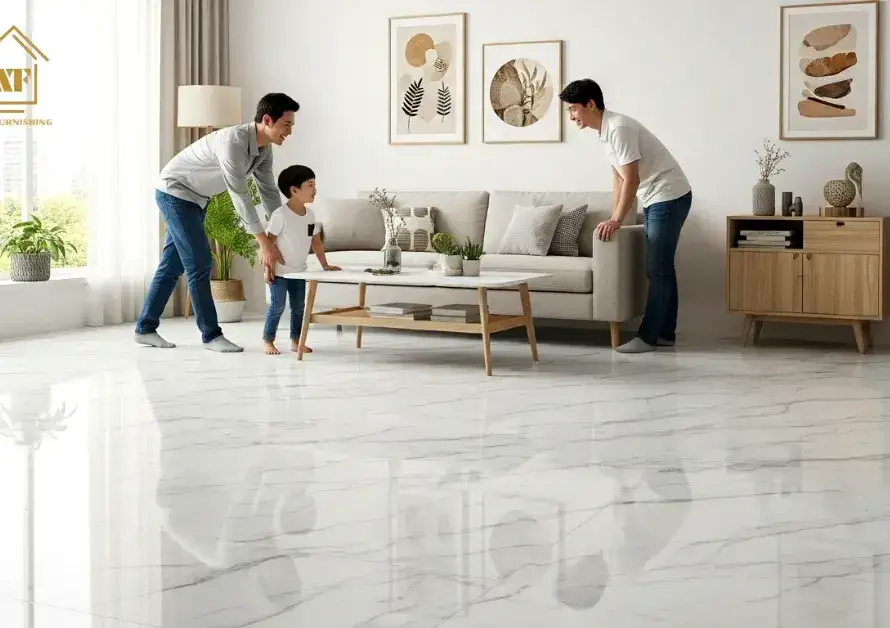
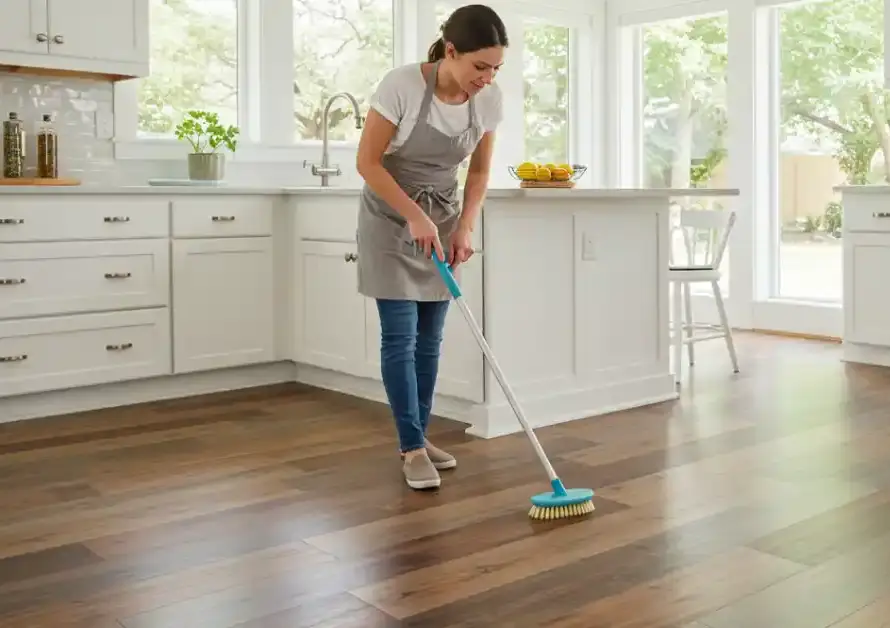
Types of vinyl flooring have become a top choice for many homeowners looking for a balance of style, durability, and affordability. Known for its practicality and wide range of designs, vinyl flooring can fit perfectly into any home, whether it’s a compact apartment or a large family house. It’s easy to maintain, comfortable underfoot, and built to handle daily wear and tear.
With so many options available, understanding the different types of vinyl flooring will help you choose the right one for your space, lifestyle, and budget.
What is Vinyl Flooring?
Vinyl flooring is a synthetic flooring solution composed of multiple layers of PVC (polyvinyl chloride) combined with other stabilisers and finishes. What sets vinyl apart from traditional flooring types is its ability to mimic natural materials, such as wood, stone, or ceramic, at a fraction of the cost and with greater durability.
But vinyl flooring is more than just an affordable alternative:
- Durability: Designed to resist scratches, stains, and dents, vinyl is ideal for busy households with children, pets, or high foot traffic.
- Water Resistance: Unlike laminate or natural wood, vinyl doesn’t swell or warp when exposed to water, making it perfect for kitchens, bathrooms, and laundry rooms.
- Ease of Installation: With modern innovations like click-lock or loose-lay systems, vinyl can often be installed without professional help, saving both time and money.
This unique balance of style, affordability, and performance has made vinyl flooring for the home one of the most popular choices globally, and particularly in Singapore, where humid weather and high-density living require flooring that’s practical yet beautiful.
Types of Vinyl Flooring
Vinyl has evolved into one of the most versatile vinyl flooring types available today, offering a wide range of choices to match different lifestyles, budgets, and aesthetics. From classic sheet vinyl to premium LURF, each type brings unique strengths that cater to specific needs. Understanding these types of flooring Singapore homeowners love will help you choose flooring that not only looks stunning but also makes your home more comfortable, practical, and future-ready.
1. Sheet Vinyl
Sheet vinyl flooring is the classic choice that has stood the test of time. It comes in large, continuous rolls, making it both seamless and protective against water damage. Modern sheet vinyl has evolved from the plain designs of the past into a stylish and affordable solution that can mimic the look of wood, stone, or tile.

Best Suited For: Bathrooms, kitchens, laundry rooms, and basements where water resistance is key.
Pros:
- 100% waterproof with no gaps for leaks.
- Wide range of designs and colours.
- Easy to clean and maintain.
Cons:
- It can be challenging to install without professional help.
- The subfloor must be perfectly smooth to avoid imperfections from showing through.
2. Vinyl Plank Flooring (Luxury Vinyl Planks – LVP)
Vinyl plank flooring is designed to capture the beauty of real hardwood while offering the durability and water resistance of vinyl. Many homeowners choose wood vinyl flooring for its warm, elegant interiors without the high cost or maintenance of timber.

Best Suited For: Living rooms, bedrooms, and hallways where design and comfort matter most.
Pros:
- Realistic wood-look designs in a wide range of finishes.
- Water-resistant and scratch-resistant.
- Often comes with DIY-friendly click-lock installation.
Cons:
- Pricier than sheet vinyl.
- Floating installation may feel less solid than glue-down methods.
3. Vinyl Tile Flooring (Luxury Vinyl Tiles – LVT)
LVT flooring offers the refined look of stone vinyl flooring, marble, or ceramic while remaining warm and forgiving underfoot. It’s a favourite for those who want elegance combined with practicality.

Best Suited For: Kitchens, entryways, bathrooms, and other high-traffic areas.
Pros:
- Stylish and versatile, replicating natural stone and ceramic.
- Easier to repair, individual tiles can be replaced.
- Comfortable and quieter underfoot compared to ceramic tiles.
Cons:
- Requires precise alignment during installation.
- Slightly more expensive than traditional vinyl.
4. SPC (Stone Plastic Composite) Flooring
SPC vinyl flooring is recognised for its rigid limestone and PVC core, making it one of the most durable flooring types available. It’s designed to handle heavy use without losing its shape or beauty.

Best Suited For: Busy households, hallways, living rooms, and even commercial spaces.
Pros:
- Ultra-durable and 100% waterproof.
- Holds up under heavy furniture and traffic.
- Stable and long-lasting, even in humid climates.
Cons:
- Feels harder underfoot compared to WPC.
- Limited cushioning may be less comfortable for prolonged standing.
5. WPC (Wood Plastic Composite) Flooring
WPC flooring combines PVC with wood fibre to create a core that’s softer and more comfortable. It’s perfect for those who want durability but still value a cushioned, cosy feel.

Best Suited For: Bedrooms, family rooms, and spaces where comfort is a priority.
Pros:
- Waterproof and warmer underfoot than SPC.
- Comfortable for barefoot walking and family activities.
- Compatible with underfloor heating.
Cons:
- Slightly less impact-resistant compared to SPC.
- May dent under weighty objects.
6. LURF (Luxury Ultra-Resilient Flooring)
LURF represents the premium side of vinyl flooring. It combines advanced durability with luxurious finishes that are nearly indistinguishable from real wood or stone.

Best Suited For: Open-concept living areas, high-end homes, and spaces where both style and longevity are top priorities.
Pros:
- Highly durable and long-lasting.
- Premium aesthetic appeal that elevates interiors.
- Resistant to scratches, stains, and water.
Cons:
- Higher cost compared to other vinyl types.
- May require professional installation for the best results.
7. Click-Lock Vinyl Flooring
Click-lock vinyl flooring offers one of the easiest installation systems. The planks simply snap together, making it ideal for quick renovations or DIY projects.

Best Suited For: Rental homes, DIY upgrades, or spaces where flexibility is needed.
Pros:
- Easy, glue-free installation.
- Simple to remove or replace individual planks.
- Cost-effective and renter-friendly.
Cons:
- Floating floors may shift slightly under heavy use.
- Less stable than glue-down flooring in large, open spaces.
8. Loose-Lay Vinyl Flooring
Loose-lay vinyl flooring is another flexible option, where planks stay in place due to their weight and backing. It’s perfect for those who want an easy-to-change solution.

Best Suited For: Rental apartments, temporary renovations, or rooms needing quick updates.
Pros:
- Fast and simple to install.
- Removable and reusable.
- No adhesives required.
Cons:
- May shift slightly if not correctly secured.
- Not ideal for very large or high-traffic spaces.
Choosing the Right Vinyl Flooring for Your Home
With so many vinyl flooring options available today, from sheet vinyl to premium LURF, the key is to find the type that fits your home’s unique lifestyle, design vision, and budget. The right flooring doesn’t just cover your concrete; it transforms every step into comfort, elegance, and durability. Here’s how to decide:
1. Consider the Room’s Purpose
Different spaces call for different flooring solutions. For wet areas like bathrooms and kitchens, sheet vinyl flooring or SPC flooring is an excellent choice due to its waterproof nature. For living rooms or bedrooms where comfort and cosiness matter most, WPC flooring or luxury vinyl planks (LVP) bring warmth and softness.
2. Think About Foot Traffic
High-traffic areas, such as hallways and entryways, demand stronger flooring that won’t wear out quickly. SPC or LURF flooring is built to withstand heavy daily use, while vinyl tiles (LVT) allow for easy replacement if a section gets damaged. On the other hand, low-traffic areas can handle softer options like WPC or loose-lay vinyl.
3. Match Aesthetics with Lifestyle
Your flooring should reflect your personality as much as your furniture and décor. Do you love the elegance of natural stone? Go with LVT. Prefer the timeless warmth of wood without the hassle? Luxury vinyl planks mimic real hardwood with stunning accuracy. If you’re looking for high-end, seamless sophistication, LURF is the way to go.
4. Balance Budget with Durability
Every home has its own unique financial priorities, but vinyl offers flexibility across all price points. Sheet vinyl and click-lock flooring are affordable yet stylish options, making them ideal for budget-conscious renovations. If you’re looking at flooring as a long-term investment, SPC or LURF justify their higher price with unmatched durability and style.
5. Maintenance and Lifestyle Needs
Families with children or pets need flooring that’s resistant to scratches, stains, and spills. In this case, SPC, LURF, or vinyl planks are ideal choices. For people who value quick updates or rentals, loose-lay vinyl and click-lock flooring allow for easy removal and reinstallation.
Conclusion
Vinyl flooring combines durability, style, and versatility, making it a perfect choice for any home. From sheet vinyl to premium LURF and everything in between, there’s a type for every lifestyle and aesthetic preference. Whether you’re updating a small apartment or a spacious home, selecting the right vinyl flooring Singapore can transform your space into a comfortable, functional, and visually stunning environment.
With the proper selection, installation, and care, vinyl flooring options will not only enhance your home’s appeal but also create a lasting investment in both style and practicality.
FAQs
1. What type of vinyl flooring is the best?
It depends on the room’s usage, traffic, and personal preferences. LVP and LURF are great options for living spaces, while sheet vinyl is ideal for areas prone to moisture.
2. Which is better, vinyl or PVC flooring?
Vinyl is a type of PVC flooring, but with layered designs and textures that add visual interest. Vinyl offers more design options and is generally easier to install.
3. What is high-end vinyl flooring?
High-end vinyl flooring includes options like LURF and premium LVT, which mimic natural materials with realistic textures and added durability.
4. What lasts longer, vinyl flooring or laminate flooring?
High-quality vinyl flooring typically outlasts laminate, especially in wet or high-traffic areas, due to its water-resistant properties.
5. Are SPC and WPC vinyl flooring types waterproof?
Yes, both SPC and WPC are designed to resist water; however, SPC is more rigid, while WPC offers a cushioned feel.