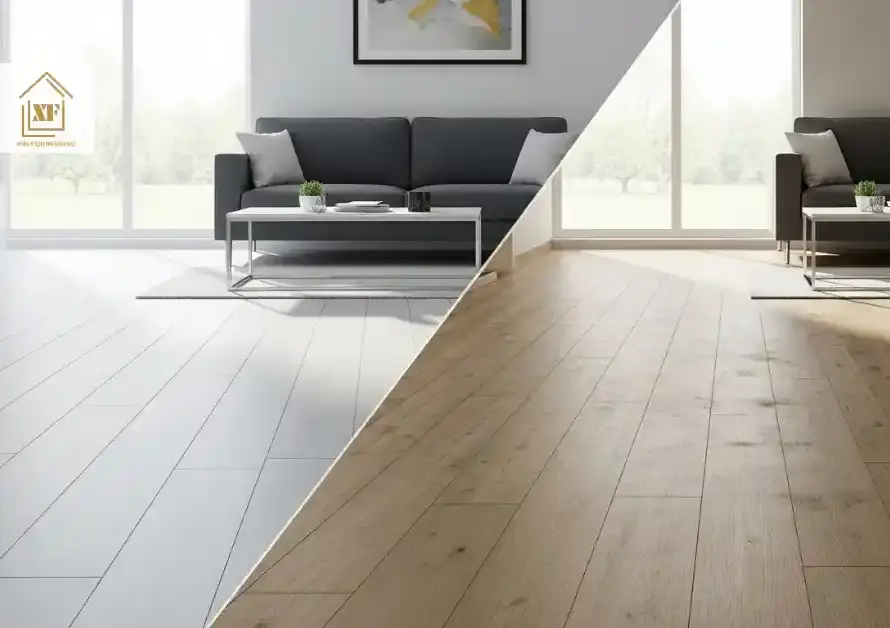
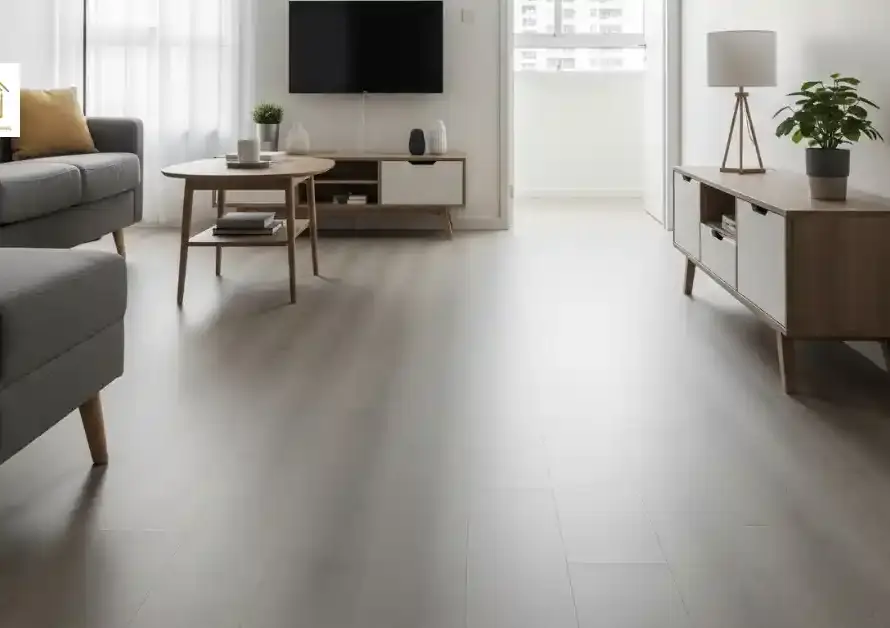
When vinyl flooring is first installed, it instantly lifts a space. It looks clean, feels comfortable underfoot, and is known for being durable and low-maintenance.
Over time, everyday living starts to leave subtle marks. Fine scratches catch the light, high-traffic areas lose their shine, and edges may begin to look worn. This isn’t usually caused by neglect, but by dust tracked indoors, furniture pressure, and moisture that goes unnoticed.
Vinyl flooring Singapore doesn’t need complicated care, but it does benefit from consistency. With a few simple habits and a better understanding of how the material behaves, you can slow wear and keep your floors looking fresh for years rather than months.
Understanding Vinyl Flooring Before You Care for It
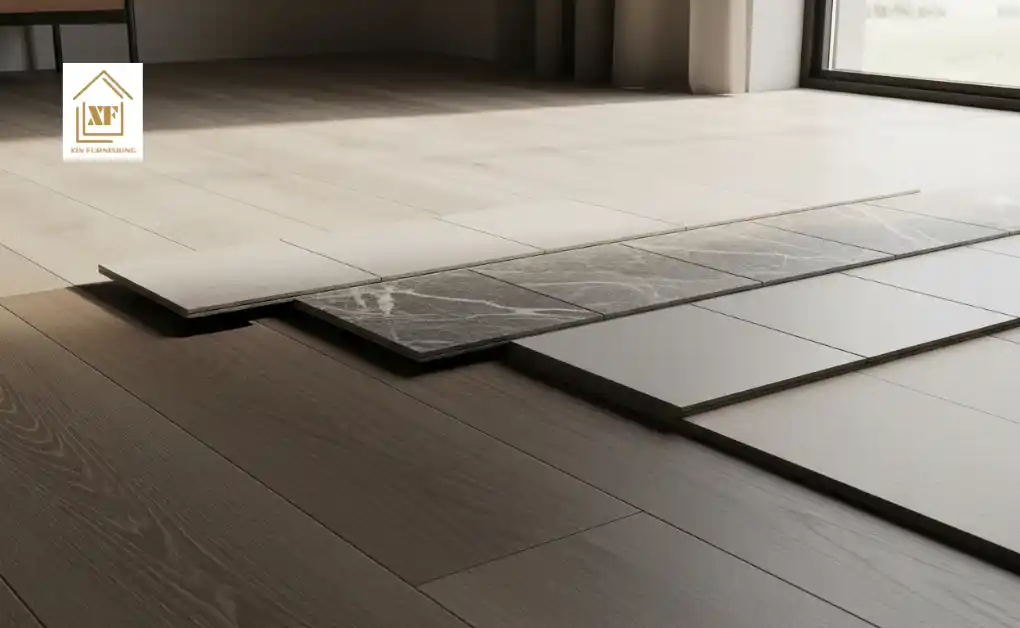
Vinyl flooring is finished with a protective surface layer that shields the design beneath from everyday wear. As long as this layer remains intact, the floor stays smooth, resilient, and easy to maintain.
Most vinyl damage happens gradually. Fine dust, constant pressure from furniture, sunlight, and moisture all affect the surface in small ways that build up over time. Understanding how vinyl reacts to these factors helps you make better care decisions from the start.
Vinyl comes in a variety of styles, including wood vinyl flooring, which provides the aesthetic warmth of timber, and stone vinyl flooring, which mimics the elegance of natural stone while retaining vinyl’s practicality.
Key things to keep in mind:
- Vinyl is flexible and can dent if heavy items stay in one place too long
- Grit and dust slowly wear the surface as people walk across it
- Prolonged sunlight and heat can cause fading
- Moisture must be managed, even though vinyl is water-resistant
Everyday Vinyl Floor Care That Makes a Real Difference
Daily habits have more impact on vinyl flooring than occasional deep cleaning. Fine dust and grit act like abrasives underfoot, gradually dulling the surface, especially in busy areas.
Spills should be cleaned up as soon as they happen, particularly near seams and edges where moisture can seep in and cause damage over time.
Simple routines that help protect your floors:
- Sweep or dry mop regularly to remove dust and grit
- Wipe up food, drink, and water spills promptly
- Check high-traffic areas weekly for early signs of wear
- Inspect mats and furniture pads monthly to make sure they’re still effective
These small actions take little time but significantly slow surface wear and help vinyl flooring keep its appearance longer.
Preventive Care: Protecting Vinyl from Unnecessary Damage
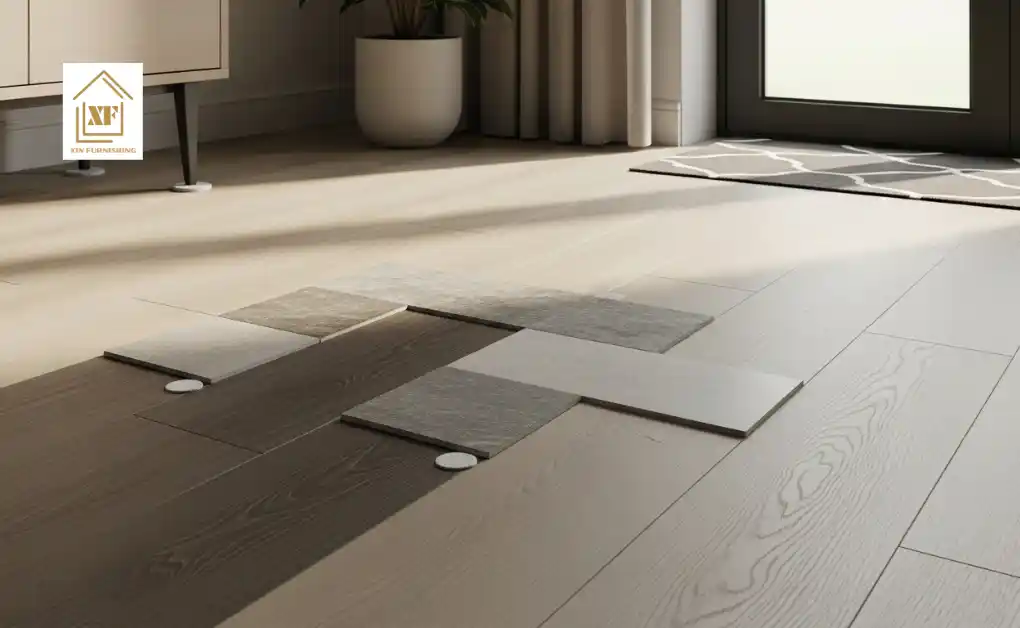
Preventive care focuses on reducing the physical and environmental stress placed on vinyl flooring.
Heavy furniture can cause dents and surface marks over time. Using protective pads under furniture legs helps spread weight evenly, and lifting items instead of dragging them prevents scratches.
Mats and rugs also play an important role, particularly near entrances and seating areas. Choose products designed for vinyl flooring, as some rubber or latex backings can stain or react with the surface.
Environmental conditions matter as well:
- Strong sunlight can cause fading
- High humidity may weaken seams
- Sudden temperature changes can lead to movement
Managing light exposure, airflow, and indoor comfort helps vinyl flooring stay stable and visually consistent.
Vinyl Flooring Care for Different Rooms and Lifestyles

Different rooms place different demands on vinyl flooring. Adjusting care to match how each space is used helps prevent wear without disrupting daily routines.
Entryways and hallways
These areas collect the most dirt.
- Use mats at entrances to trap debris
- Check regularly for dull patches or fine scratches
Kitchens and dining areas
Spills and moisture are more common here.
- Clean up splashes straight away
- Pay attention to areas near sinks, bins, and worktops
Bathrooms
Moisture control is essential.
- Avoid leaving standing water on the floor
- Keep the space well ventilated
Homes with children or pets
Higher activity increases wear.
- Use soft mats in play or feeding areas
- Keep pet nails trimmed
- Move furniture or play zones occasionally
Common Vinyl Flooring Problems to Watch For
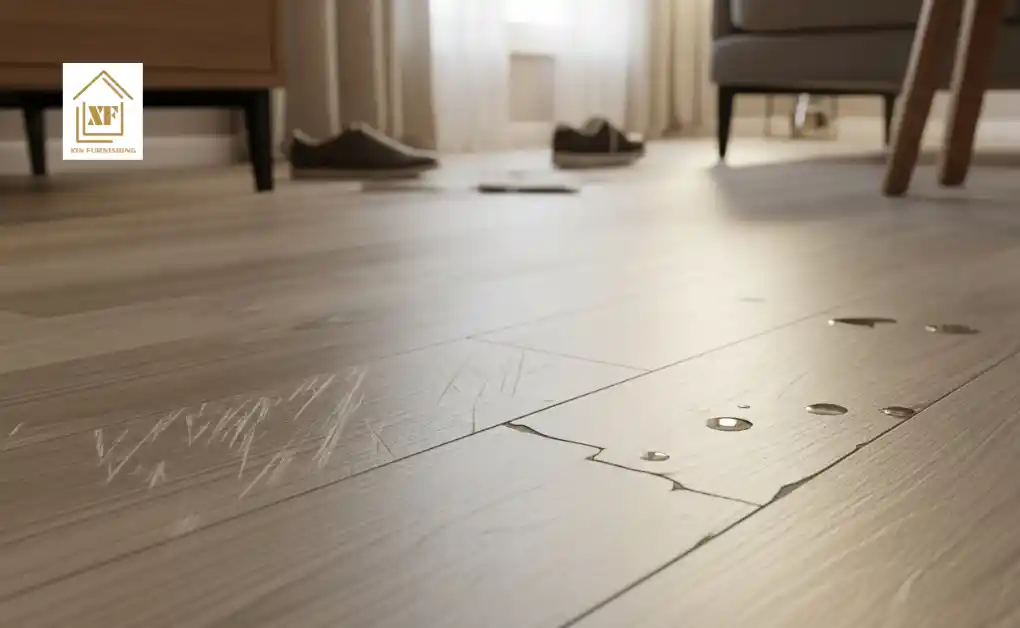
Not all vinyl flooring issues come from neglect. Many develop slowly and are easier to manage when caught early.
Common signs to watch for:
- Dents where heavy furniture sits without padding
- Lifting or curling edges caused by moisture or movement
- A dull surface from constant grit exposure
- Discolouration from unsuitable mats or cleaning products
Performing quick visual checks now and then helps you address minor problems before they become serious.
Long-Term Care: Thinking Ahead
Vinyl flooring is built for everyday life, but long-term performance depends on consistent care rather than occasional effort. As your household changes, rearranged furniture, growing families, or new routines, your maintenance approach should adapt.
Long-term care involves:
- Keeping cleaning and inspection habits steady over time
- Adjusting care as household needs change
- Seeking professional advice when wear becomes noticeable
Recognising when to act is just as important as regular cleaning for preserving the floor’s appearance and durability.
Choosing the Right Tools and Products
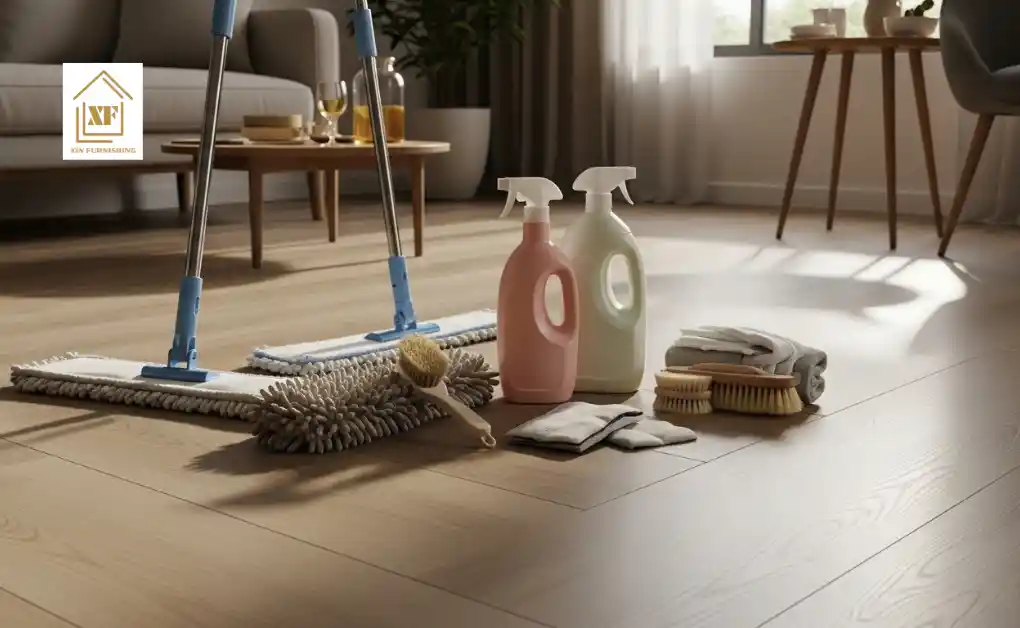
The tools and products you use can either protect vinyl floors or gradually wear them down. Choosing the right ones helps maintain comfort, safety, and appearance.
Tips for selecting tools and cleaners:
- Use soft, non-abrasive tools like microfiber mops
- Choose cleaners formulated specifically for vinyl flooring
- Avoid harsh ingredients such as bleach, ammonia, or solvents
- Skip tools that rely on heat or heavy pressure
Gentle, suitable equipment keeps floors looking good without causing damage over time.
Quick Do’s and Don’ts for Vinyl Floor Care
A simple checklist helps avoid common mistakes and keeps vinyl floors in good condition.
Do:
- Control dirt at entrances
- Use furniture pads and suitable mats
- Maintain steady indoor conditions
- Address small issues promptly
Don’t:
- Drag furniture across the floor
- Use harsh or unsuitable cleaning products
- Ignore lifting edges or dents
- Assume vinyl requires no care
Following these guidelines prevents minor problems from becoming lasting damage.
Conclusion
Vinyl flooring is designed for busy households, constant foot traffic, and everyday spills. Its long-term appearance and comfort depend on steady, thoughtful care rather than occasional deep cleaning.
By controlling dirt, protecting surfaces from furniture and sunlight, and adjusting care to suit each room, you reduce the small stresses that gradually wear vinyl down. Using the right tools and responding early to signs of damage keeps minor issues from turning into lasting problems.
For significant repairs or installation, consulting a professional vinyl flooring contractor in Singapore helps keep your floors durable and looking great for years to come.
With consistent attention and professional guidance when needed, vinyl floors remain resilient, attractive, and easy to live with, preserving the look and performance that made you choose them in the first place.
FAQs
1. Are you supposed to seal vinyl flooring?
Most modern vinyl has a built-in protective layer and does not need sealing. Sealing is only recommended for certain older or specialized vinyl types and should be done professionally.
2. What can ruin vinyl flooring?
Dragging heavy furniture, grit buildup, standing water, strong sunlight, and unsuitable mats can all cause long-term damage. Even small, repeated mistakes can shorten the floor’s lifespan.
3. What cleaners should not be used on vinyl?
Avoid bleach, ammonia, abrasive powders, solvent-based products, and steam cleaners. Stick to gentle, vinyl-specific cleaners for safe, effective results.
4. How often should vinyl flooring be cleaned?
Sweep or dry mop several times a week and damp mop weekly, adjusting for foot traffic and room use. Regular attention prevents dirt from embedding and keeps floors looking fresh.