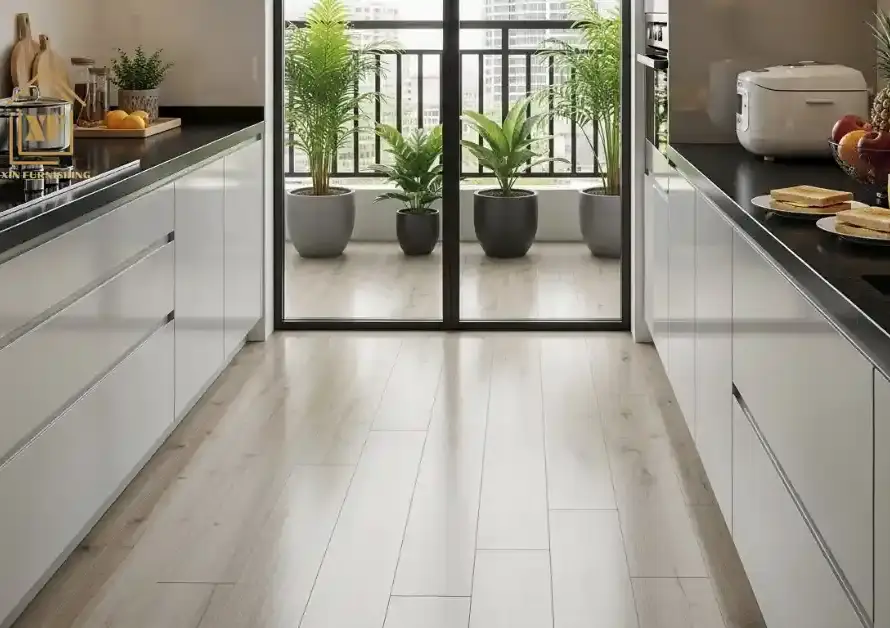
Choosing the wrong vinyl flooring can quickly turn a simple home upgrade into a costly headache. Cheap or low-quality options may peel, dent, fade, or warp, problems that appear sooner than expected in Singapore’s humid climate and busy households.
In this guide, you’ll learn how to determine the quality of vinyl flooring by evaluating factors like thickness, wear layer, material composition, and water resistance. With this knowledge, you can choose flooring that stays durable, comfortable, and visually appealing for years, avoiding the frustrations of low-quality options.
Key Factors to Evaluate Vinyl Flooring Quality
Not all vinyl flooring performs the same, and a few key factors can help you tell the difference before you make a purchase. Focusing on these details will help ensure your flooring stays durable, comfortable, and attractive for years.
1. Thickness and Wear Layer
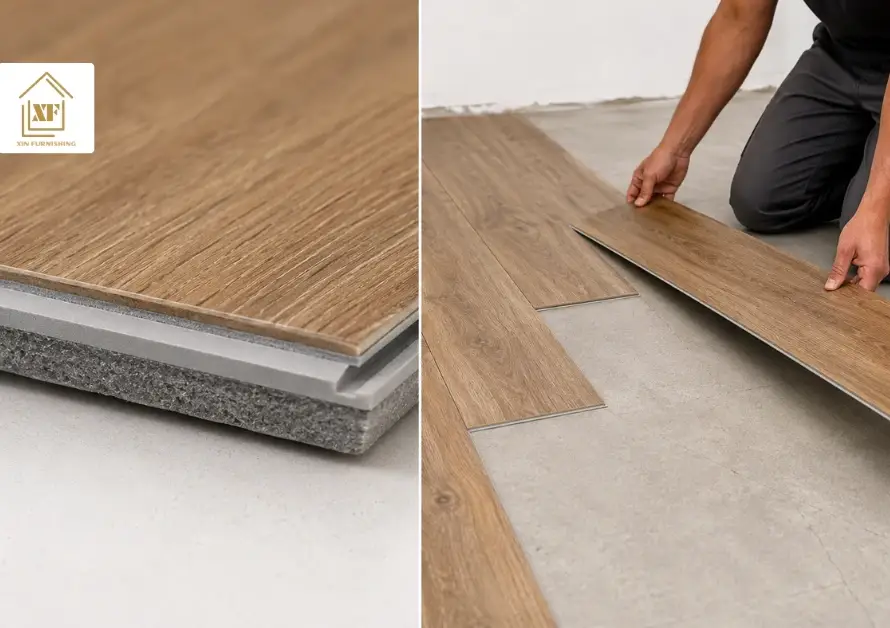
The thickness of vinyl flooring is one of the clearest indicators of durability. Vinyl generally has two layers: the base layer and the wear layer.
- Base Layer: Provides stability and cushioning, making the floor feel solid underfoot. Thicker bases also absorb impact better, which is useful in high-traffic areas.
- Wear Layer: Protects the surface from scratches, stains, and everyday wear. A wear layer of 20 mils (0.5 mm) or more is ideal for long-lasting performance.
Tip: Always check the wear layer measurement rather than relying solely on total plank thickness. This applies to all types, whether you’re looking at vinyl tile thickness or plank-style options.
2. Material Composition
The materials used in vinyl flooring greatly affect how it performs over time, withstanding traffic and humidity.
- PVC Quality: High-quality PVC resists fading, cracking, and warping.
- Plasticisers: Inferior additives can make flooring brittle over time.
- Backing Layer: A stable backing layer keeps the flooring in place and helps it withstand humid conditions, particularly important in Singapore.
This is especially important if you’re considering wooden vinyl flooring or stone vinyl flooring, as the visual realism depends on a stable material composition.
3. Surface Texture and Design Realism
Modern vinyl often mimics natural materials, but quality varies.
- Embossed-in-Register (EIR) Texture: Textures that match the printed design make the floor look and feel more natural.
- Consistent Finish: Even gloss and deep embossing indicate careful manufacturing.
- Colour Stability: The design layer should resist fading from sunlight, so rooms with large windows stay vibrant over time.
4. Durability and Scratch Resistance
Vinyl flooring should withstand daily use without showing marks or dents.
- Scratch and Dent Resistance: A thicker wear layer and dense construction help prevent damage from furniture, shoes, or pets.
- Indentation Recovery: Pressing a sample lightly should cause the floor to spring back rather than remain indented.
- Ratings: AC3–AC4 are typically sufficient for homes, while higher AC5–AC6 ratings are designed for commercial spaces or heavy foot traffic.
Choosing high-quality vinyl flooring make sure your floors remain resilient under everyday wear.
5. Water Resistance and Installation Type
Spills and humidity are unavoidable, so understanding water resistance is essential.
- Waterproof vs Water-Resistant: True waterproof vinyl prevents moisture from seeping beneath the surface, reducing the risk of warping or mould.
- Installation Method: Click-lock systems allow natural expansion and contraction, while glue-down sheets are more stable but can be harder to replace.
6. Warranty and Longevity Indicators
Quality flooring often comes with confidence reflected in its warranty and standards.
- Warranty Coverage: Longer warranties indicate confidence in the product’s durability.
- Customer Experiences: Real-life feedback can highlight performance in humid, high-traffic environments.
- Certifications: Quality marks show that the flooring has been tested for safety and longevity.
As a trusted contractor of vinyl flooring in Singapore we can also guide you in choosing and installing options that meet these standards, so your floors perform well and last for years.
Practical Ways to Check Vinyl Flooring Before Buying
Even high-quality vinyl can vary from one brand or batch to another. Handling samples before purchase can give you a good sense of how the flooring will perform in your home.
- Flex the Plank: Gently bend a sample to see if it springs back without cracking or breaking. This shows the vinyl’s flexibility and durability.
- Test for Scratches: Use a coin or your fingernail on a hidden area to check how easily the surface marks. A resilient vinyl should resist minor scratches.
- Check Water Resistance: Place a few drops of water on the surface. Good-quality vinyl will bead up rather than soaking in, indicating it can handle spills and humidity.
- Compare Side by Side: Lay out samples from different brands or styles under natural light. Look for consistent colour, embossing depth, and overall finish to ensure it matches the look you want.
Using these steps, you can confidently compare options, whether considering thick vinyl flooring planks or thinner tile options.
Why Quality Matters for Singapore Homes
Singapore’s heat and humidity can be tough on flooring. Low-quality vinyl may start peeling, warping, or losing its colour within months, turning what seemed like a simple upgrade into a constant maintenance headache.
Choosing quality vinyl flooring changes that. It stays strong under daily wear, handles spills and humidity, and keeps your home looking polished for years. The right flooring isn’t just about aesthetics; it makes your space more comfortable, easier to maintain, and worry-free.
Conclusion
Taking the time to assess vinyl flooring quality and inspect samples ensures you choose options that are reliable and long-lasting. Careful selection saves future maintenance and helps your home stay functional, stylish, and comfortable. Investing in quality vinyl also means your floors can withstand Singapore’s humid climate and daily wear, keeping your space looking fresh and polished for years. Ultimately, a well-chosen floor provides both peace of mind and lasting value for your home.
FAQs
1. What is the best grade of vinyl flooring?
For homes, vinyl with a wear layer of 20 mils (0.5 mm) or more and an AC3–AC4 rating is considered high-quality. For commercial or heavy-traffic areas, look for higher AC5–AC6 grades. The best grade also includes a stable backing and waterproof construction to handle humidity.
2. How thick should vinyl flooring be for a Singapore home?
A total thickness of 4–6 mm with a sufficient wear layer provides both durability and comfort underfoot. This thickness also helps absorb impact and makes the floor feel more solid when walking or standing.
3. Can vinyl flooring handle Singapore’s humidity?
High-quality, waterproof vinyl with a stable backing performs best, preventing warping, swelling, or mould growth. It’s also important to choose flooring that allows for slight expansion and contraction to handle temperature changes.
4. Are all vinyl floors waterproof?
No. Some are only water-resistant. True waterproof vinyl prevents moisture from seeping underneath. Choosing waterproof options helps protect your subfloor and reduces maintenance in wet or humid areas.
5. Should I check the brand or just the price?
Brand reputation, certifications, and warranty coverage are often better indicators of long-term performance than price alone. Established brands usually offer more consistent quality and customer support if any issues arise.