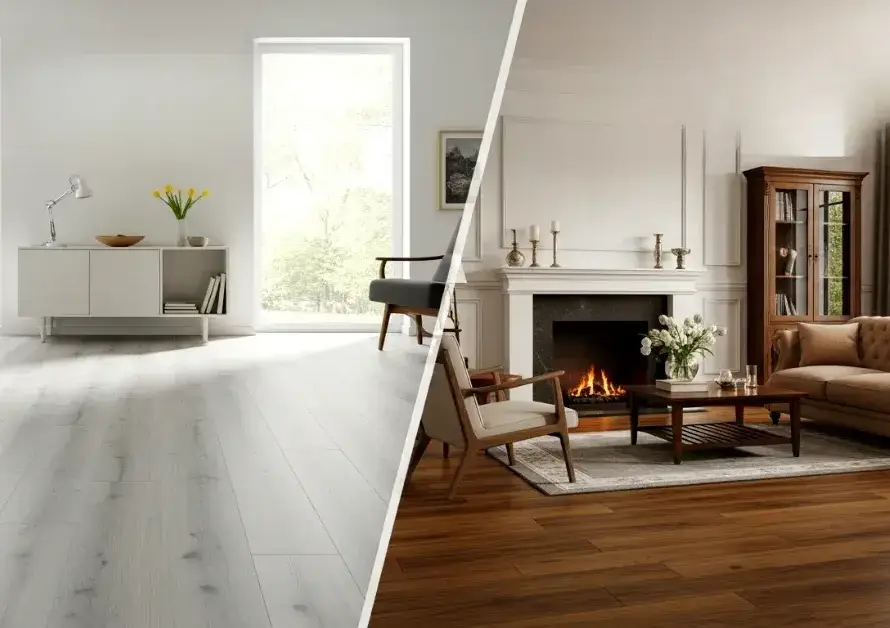
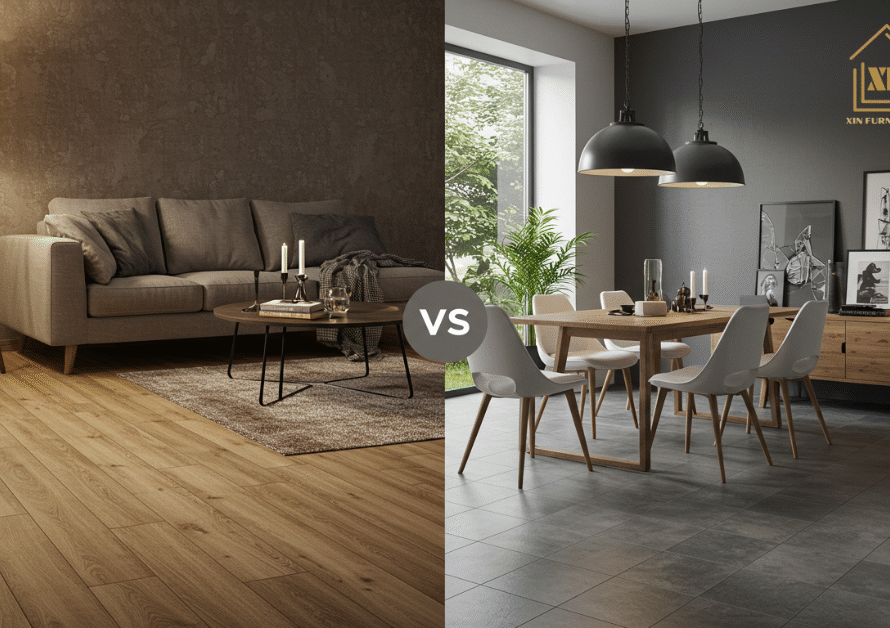
Vinyl flooring is a type of floor covering that looks like real wood, tile, or stone, but it’s made from strong plastic materials. Many people in Singapore choose vinyl flooring because it’s affordable, easy to clean, and comes in a wide range of designs. You’ll find it in homes, HDB flats, offices, shops, and even bathrooms. It’s so popular because it fits many needs. Whether you’re looking for something simple, stylish, or water-friendly, vinyl flooring has an option to suit you. It’s also soft under your feet and quiet to walk on, which makes it great for everyday life.
In this guide, we’ll explain what is vinyl flooring, its types, and how to choose the best option based on your space and lifestyle needs.
Why Is Vinyl Flooring So Popular in Singapore?
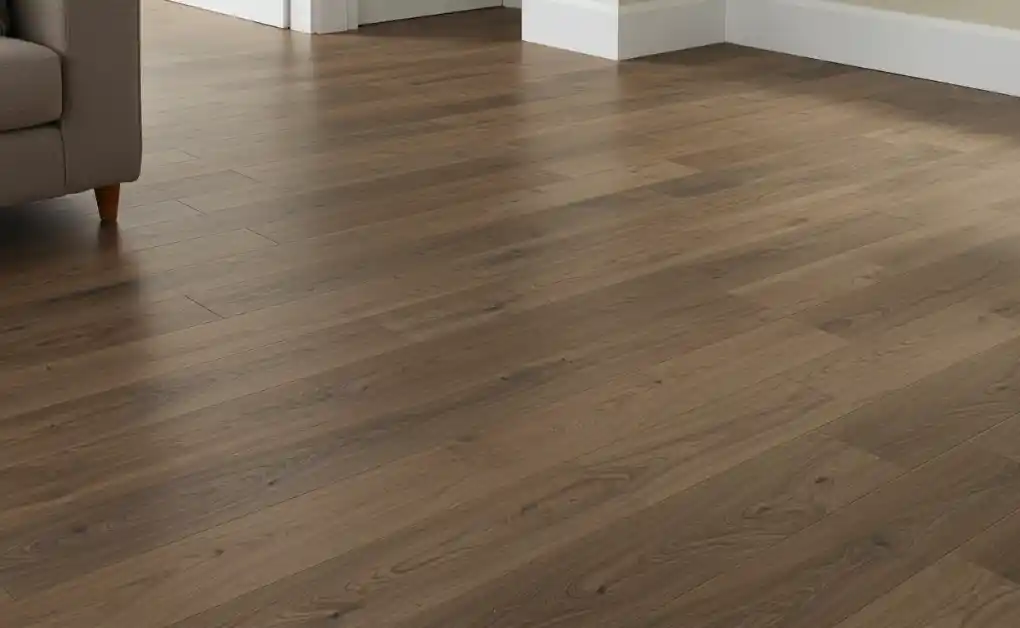
Vinyl flooring is a popular choice in many homes in Singapore because it’s easy, affordable, and looks great.
One big reason people like it is the cost. Vinyl gives you the look of real wood or stone but at a much lower price. So, you can make your home look nice without spending too much. Another reason is its appearance today. Vinyl used to look cheap, but that’s no longer the case. Now, the designs are much better, and they can look just like natural wood or tiles. Most people can’t even tell the difference.
Vinyl is also very easy to clean. You don’t need any special tools, just sweep and mop. That’s it. It’s a good choice for people who want a lovely home without a lot of work. And because Singapore’s weather is humid, vinyl works well in kitchens, bathrooms, and laundry areas too. It doesn’t soak up water and won’t get damaged easily. According to HDB flooring renovation guidelines, water-resistant flooring options like vinyl are among the most practical choices for Singapore homes. So, if you want something that looks good, feels good, and fits your budget, vinyl flooring is a smart choice.
What Is Vinyl Flooring Made Of?
Vinyl flooring may look simple, but it’s made of four layers that work together to make it strong and long-lasting.
Here’s how it’s built:
- Top layer (wear layer): This protects the floor from scratches, dirt, and spills.
- Design layer: This is the visible part. It has the colour and pattern, like wood, tile, or stone.
- Middle layer (core): This gives the flooring strength. Some types use a rigid core like SPC (stone plastic) or WPC (wood plastic) to make it stronger and more stable.
- Bottom layer (backing): This helps the floor stay in place and adds comfort under your feet.
The primary material used is PVC, a strong type of plastic. It’s waterproof, flexible, and made to last a long time, even in wet areas. So even though vinyl looks smooth and simple, it’s built in layers to be tough, good-looking, and easy to live with.
Different Types of Vinyl Flooring
Vinyl flooring comes in different types to suit various rooms, needs, and styles. Whether you want a clean, modern look, something soft underfoot, or a strong floor that can handle kids and pets, there’s a vinyl option that fits your space.
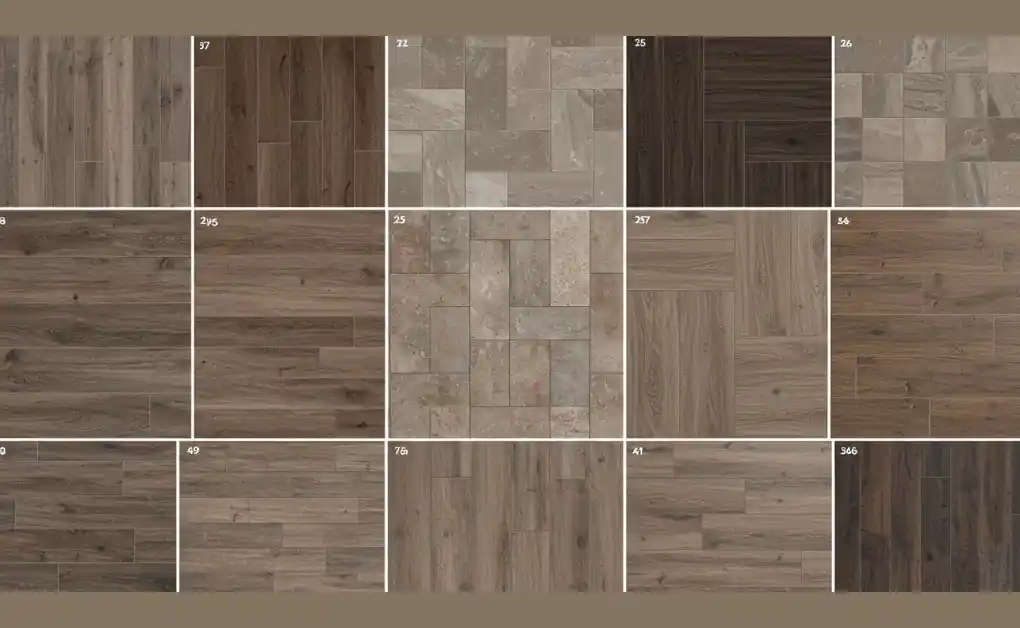
1. Vinyl Plank Flooring (LVP)
Vinyl plank flooring looks just like wooden planks but is made from strong, water-resistant material. It’s perfect if you want the cosy, natural look of wood without the high cost or upkeep.
Why people love it:
- Looks like real wood (oak, walnut, pine, etc.)
- Water- and scratch-resistant, ideal for busy homes
- Easy to install with a click-lock system
- Adds warmth and charm to bedrooms and living rooms
Best suited for: bedrooms, living rooms, home offices, and any area where you desire a wood-style look with minimal maintenance.
2. Vinyl Sheet Flooring
Vinyl sheet flooring comes in large rolls and is laid down in big, smooth sections. It’s great for areas that get wet because it has very few seams, so water can’t seep underneath easily.
Key benefits:
- Seamless finish that looks clean and modern
- Fully waterproof when installed correctly
- Feels soft underfoot, great for kitchens and laundry rooms
- Budget-friendly and quick to install
Best for: Bathrooms, kitchens, laundry rooms, and other high-moisture spaces in HDBs and condos.
3. Vinyl Floor Tiles (LVT)
Vinyl floor tiles are small, individual tiles that you can lay one by one. These tiles are a great pick for those who want more creative control over the look of their flooring.
Why do they stand out:
- Available in many colours, prints, and textures
- Great for vinyl tiles design flooring, you can create checkered, mosaic, or custom styles
- Easy to replace a single tile if it is damaged
- Works well in small rooms or feature areas
Best for: Kitchens, foyers, kids’ rooms, or anywhere you want a custom or patterned look.
4. SPC Vinyl Flooring (Stone Plastic Composite)
SPC vinyl is one of the strongest types of vinyl flooring. It has a solid, rigid core made from stone and plastic, which makes it very stable and rigid.
What makes it strong:
- Ultra-durable, resists dents and heavy furniture marks
- Fully waterproof, ideal for wet or high-traffic areas
- Great for commercial use or homes with kids and pets
- Doesn’t expand or shrink easily in Singapore’s humid climate
Best for: Kitchens, bathrooms, high-traffic hallways, or office spaces that need long-lasting floors.
5. WPC Vinyl Flooring (Wood Plastic Composite)
WPC vinyl flooring also has a strong core, but it’s made with wood and plastic materials. It’s slightly softer than SPC, offering more comfort while still being very durable.
What people like:
- Feels warmer and softer underfoot than stone-based vinyl
- Quiet to walk on, great for condos and HDBs
- Waterproof and stable in humid conditions
- Often comes with built-in underlayment for extra comfort
Best for: Living rooms, bedrooms, or any space where comfort and quiet matter most.
How Is Vinyl Flooring Installed?
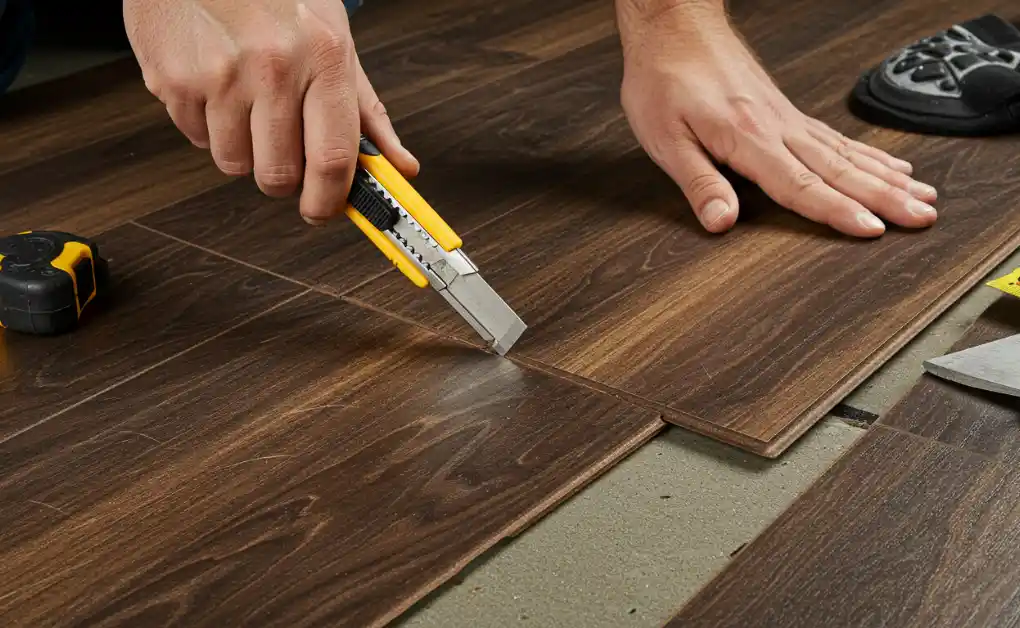
Installing vinyl flooring is usually quick and easy, which is one of the reasons many homeowners like it. There are three main ways it can be installed, depending on the type of vinyl you choose and the room in which it’s going.
The click-lock method is very popular for vinyl planks and tiles. The pieces fit together like puzzle parts and don’t need any glue. It’s great for DIY projects and makes future repairs simple.
Another method is the glue-down installation. This means the vinyl is glued straight to the floor. It takes more time but gives a firm, long-lasting result. It’s a good choice for areas with high foot traffic or commercial spaces.
The third option is loose lay vinyl, which uses thicker, heavier pieces. These stay in place on their own, without the need for glue or clicking systems. Some types have a special backing that grips the floor to prevent slipping.
The proper method depends on your room, the type of flooring, and whether you’re doing the work yourself or hiring a professional. For example, click-lock is excellent for bedrooms and living rooms, while glue-down works better in kitchens or shops.
Maintenance and Lifespan of Vinyl Flooring
Vinyl flooring is easy to care for and can last between 10 to 20 years if you keep up with simple cleaning.
For everyday care, simply sweep or vacuum to remove dust and dirt. Once a week, mop with warm water and a little mild soap. Avoid using strong chemicals or steam mops, as they can damage the surface. If your floor starts to turn yellow in spots, you can clean it with a mix of baking soda and water or white vinegar and water. Gently rub the area and rinse with clean water. Avoid using bleach, as it may damage the finish. With just a little effort, your vinyl floor tiles can stay clean, shiny, and looking new for many years. Avoid using strong chemicals or steam mops, as they can damage the surface. For safe and eco-friendly home cleaning practices, you can also refer to Singapore’s NEA cleaning guidelines.
Know the difference between Vinyl vs Laminate Flooring: Which one is best for Singapore Homes?
Is Vinyl Flooring Right for You?
Vinyl flooring is a great choice if you’re looking for something:
- Affordable
- Water-resistant
- Stylish
- Easy to maintain
It’s perfect for families with kids or pets, as well as for anyone who wants a nice-looking floor without a large budget. Whether you live in a small flat or a large home, there’s a type of vinyl flooring that will suit your space and lifestyle.
You can also explore our full range of wood vinyl flooring and stone vinyl flooring, or read our complete blog on how to choose the right vinyl flooring for your home.
Conclusion
Vinyl flooring has become a trusted choice for many homeowners in Singapore, and it’s easy to see why. It’s affordable, stylish, and simple to maintain, making it perfect for both HDB flats and landed homes. With so many types to choose from, like planks, sheets, and tiles, you can find something that fits your space, style, and budget.
Whether you’re renovating your kitchen, updating your bedroom, or looking for something waterproof for the bathroom, vinyl flooring offers flexibility, comfort, and long-lasting performance. And the best part? You don’t need to worry about tricky maintenance or high costs.
So, if you’re looking for a practical and attractive flooring solution for your Singapore home, choosing a trusted vinyl flooring supplier in Singapore is a smart choice that meets all your needs.
Explore our in-depth guide on Vinyl Flooring Pros and Cons before making your choice.
FAQs
How to Clean Yellow Stained Vinyl Floors?
Use a paste made from baking soda and water to scrub the stain gently. If that doesn’t work, try a mix of white vinegar and warm water. Avoid bleach or harsh cleaners, as they can damage the vinyl. For tough stains, consider replacing the affected tile.
Which type of vinyl flooring is best for Singapore homes?
For bedrooms and living rooms, vinyl plank flooring is a popular option. For wet areas like kitchens and bathrooms, go with vinyl sheets or SPC flooring since they’re more waterproof. Choose based on the room’s moisture level and the amount of foot traffic it receives.
Is vinyl flooring safe for kids and pets?
Yes! Many vinyl floors are scratch-resistant, easy to clean, and soft underfoot, making them a safe and comfortable choice for homes with children or pets. Just make sure to choose one with a slip-resistant surface.
How long does vinyl flooring last?
With proper care, vinyl flooring can last 10 to 20 years. Sweeping regularly and avoiding harsh chemicals will help it stay looking fresh for longer.
How do I clean and care for vinyl floors?
Sweep or vacuum daily to remove dirt. Mop weekly with mild soap and warm water. Avoid bleach, steam mops, or rough scrubbing tools. For yellow stains, use baking soda or vinegar mixed with water to clean the area gently.