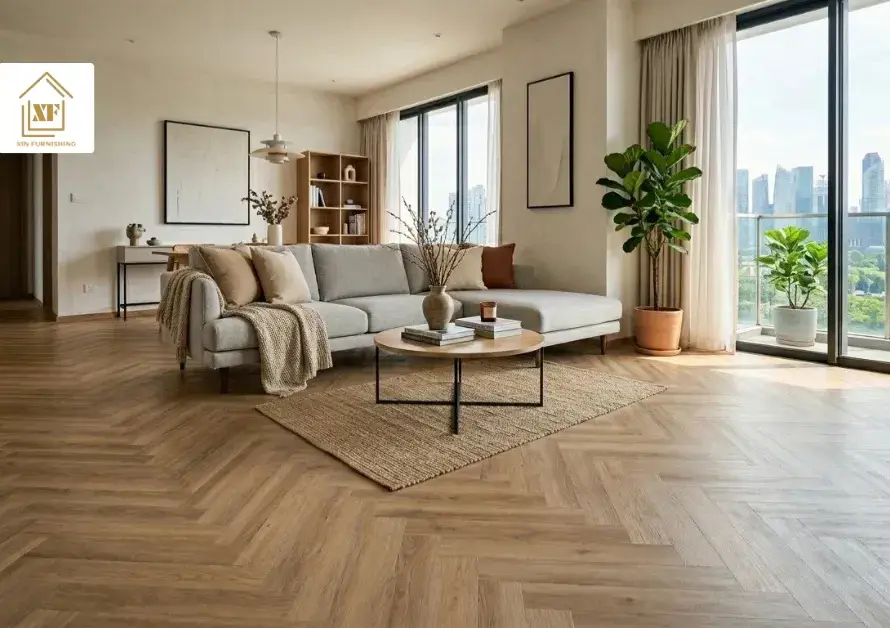
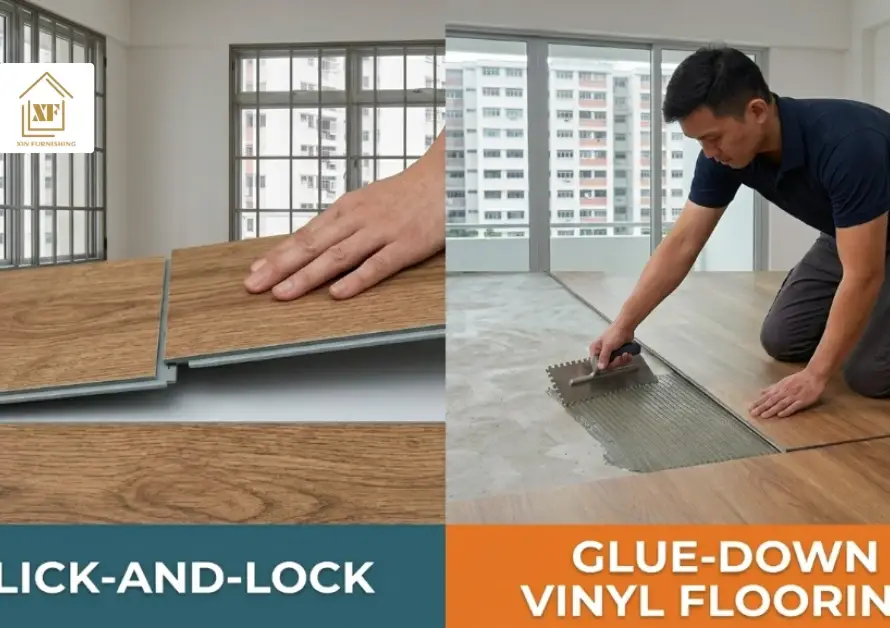
Choosing between SPC vs (LVT) Vinyl flooring can be challenging because both offer excellent durability, waterproof performance, and a wide range of realistic designs. While they share many similarities, their construction, comfort, and ideal applications differ significantly.
In this guide, we’ll compare SPC vs LVT flooring across the factors that matter most, including durability, waterproof performance, comfort, installation, maintenance, lifespan, and cost. By the end, you’ll have a clear understanding of which flooring is best suited to your home or commercial space.
SPC vs LVT Flooring at a Glance
Both SPC and LVT flooring deliver excellent performance, but they are designed for different priorities. SPC flooring is known for its rigid construction and exceptional stability, while LVT flooring offers a softer feel underfoot, quieter performance, and greater design versatility.
For most residential and many commercial applications, high-quality LVT flooring provides an excellent balance of durability, comfort, and long-term value. However, SPC flooring remains a strong choice for environments that demand maximum rigidity and structural stability.
What Is SPC Flooring?
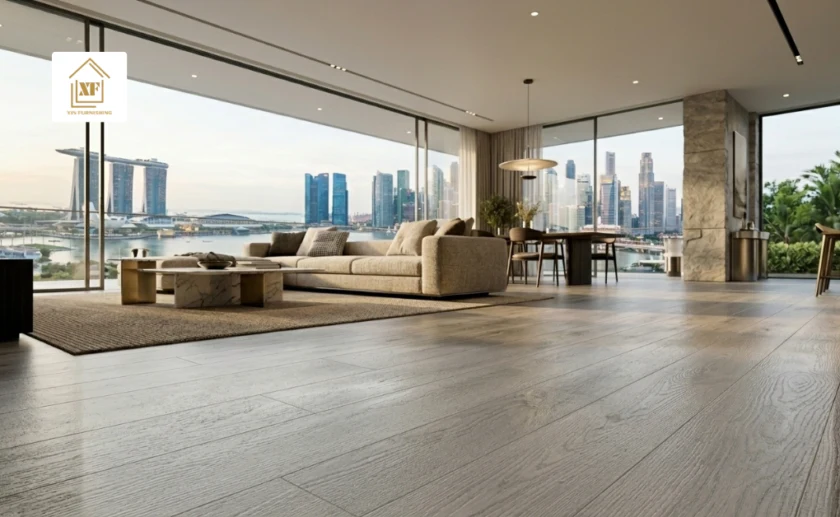
SPC (Stone Plastic Composite) flooring is a type of luxury vinyl flooring built with a rigid core made from limestone powder, stabilisers, and PVC. This strong core gives SPC flooring excellent dimensional stability, allowing it to withstand daily wear, heavy furniture, and frequent foot traffic with minimal movement.
For most residential applications, however, homeowners may not require this additional rigidity, making other vinyl flooring options worth considering depending on their lifestyle. Its waterproof construction also makes it suitable for areas where spills and moisture are common. SPC flooring can also help minimise the appearance of minor subfloor imperfections, making installation easier in many renovation projects.
If you’d like to learn more about its construction, benefits, and ideal applications, explore our comprehensive guide to SPC flooring.
What Is (LVT) Vinyl Flooring?
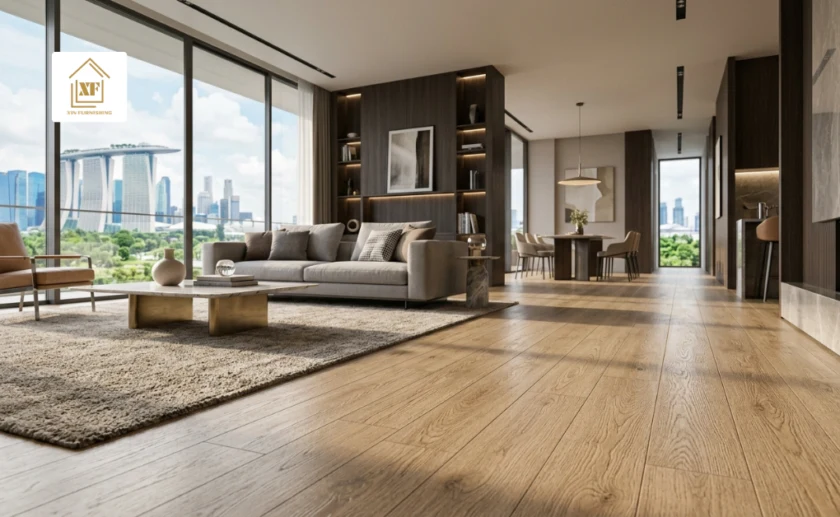
LVT (Luxury Vinyl Tile) is a type of luxury vinyl resilient flooring designed to replicate the natural appearance of timber, stone, and other materials. Unlike SPC flooring, LVT has a more flexible construction, creating a softer, warmer, and quieter feel underfoot.
Its realistic surface textures, including natural-looking wood vinyl flooring and stone vinyl flooring, wide range of designs, and comfortable feel make LVT flooring one of the most popular choices for modern homes. It provides excellent durability for everyday residential use while creating a warmer, quieter, and more comfortable living environment. Available in both click-lock and glue-down systems, LVT also offers flexibility for a wide range of renovation projects.
For a more detailed explanation of its construction, benefits, and recommended applications, read our complete guide to LVT flooring.
SPC Flooring vs LVT Flooring: Quick Comparison
| Feature | SPC Flooring | LVT Flooring |
| Core Construction | Rigid stone-plastic composite core | Luxury vinyl resilient flooring |
| Durability | Excellent for heavy use | Excellent for residential use |
| Waterproof | 100% waterproof | 100% waterproof |
| Stability | Good stable with minimal expansion | High stability with added flexibility |
| Comfort Underfoot | Firm and supportive | Softer and more comfortable |
| Noise Reduction | Good | Better due to its softer construction |
| Scratch Resistance | Excellent | Excellent with a quality wear layer |
| Installation | Click-lock systems are common | Available in click-lock and glue-down options |
| Maintenance | Easy to clean and maintain | Easy to clean and maintain |
| Typical Applications | Living rooms, bedrooms, family homes | High-traffic homes, offices, retail spaces |
| Overall Best For | Durability and stability | Comfort and everyday living |
Quick Summary: Choose high-quality LVT flooring for versatile residential or commercial spaces, offering an excellent balance of durability, comfort, realistic designs, quieter performance, and long-term value. LVT is suitable for a wide range of applications, from HDB flats and condominiums to offices, retail spaces, and other commercial environments.
SPC vs LVT Flooring: A Detailed Comparison
While SPC and LVT flooring are both premium vinyl flooring options, they are designed for different needs. SPC flooring prioritises rigidity and structural stability, making it suitable for demanding environments, while LVT flooring combines everyday durability with greater comfort, quieter performance, and realistic designs. Understanding these differences will help you choose the flooring that best suits your home, lifestyle, and long-term needs.
Rather than asking which flooring is universally better, it’s more helpful to compare how each performs in real-world situations. Below, we’ll examine the differences between SPC vs LVT flooring across the features that matter most to homeowners.
Core Construction
The biggest difference between SPC vs LVT flooring lies in their core construction. Although both are made with multiple layers, the core material significantly affects how each performs.
SPC (Stone Plastic Composite) flooring features a rigid core made from limestone powder, PVC, and stabilisers. This dense construction provides excellent structural strength and dimensional stability, making it highly resistant to expansion, contraction, and everyday impact.
Although LVT has a more flexible core, it still provides excellent durability for everyday residential use. For most homeowners, this flexibility creates a warmer, quieter, and more comfortable living environment without compromising the performance expected from modern vinyl flooring.
Key Differences
| Feature | SPC Flooring | LVT Flooring |
| Core Type | Rigid stone-plastic composite | Flexible vinyl core |
| Flexibility | Low | High |
| Stability | Excellent | Very Good |
| Comfort | Firm | Softer |
Expert Insight: SPC flooring is ideal where maximum structural stability is required. However, for most Singapore homes, LVT flooring offers the better balance of comfort, realistic designs, and everyday durability, making it a practical choice for HDB flats, condominiums, and family homes.
Durability & Impact Resistance
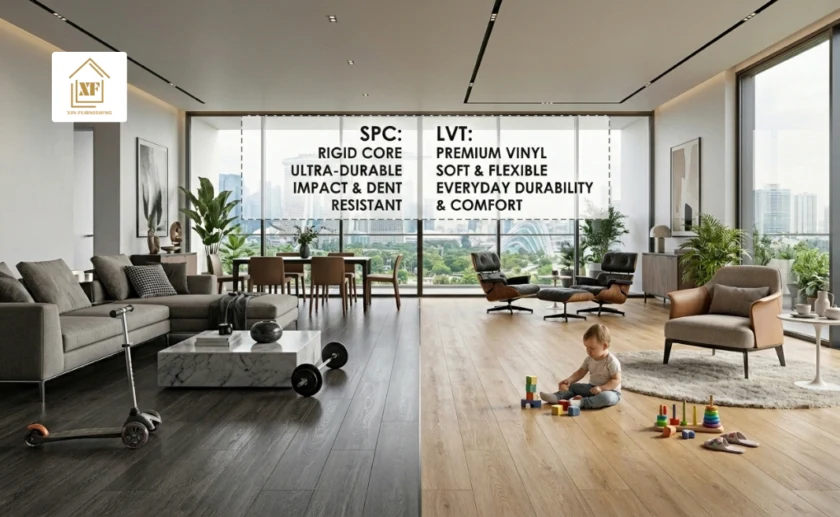
Both SPC and LVT flooring are built to handle everyday use, but they perform differently under heavy loads and constant foot traffic.
SPC flooring offers exceptional durability. It is better equipped to support heavy furniture, withstand dropped objects, and maintain its shape in busy environments. This makes it a practical choice for high-traffic homes, offices, retail spaces, and households with active children or pets.
LVT flooring is also highly durable, particularly when manufactured with a quality wear layer. It performs well in most residential environments and resists everyday wear effectively. However, because its core is more flexible, it may be slightly more susceptible to indentation under extremely heavy furniture if proper floor protectors are not used.
While SPC flooring performs better under exceptionally heavy loads, most residential homes rarely require this level of rigidity. A high-quality LVT floor provides more than enough durability for everyday living, making it an excellent choice for HDB flats, condominiums, and landed homes where comfort and practicality are equally important.
Which Flooring Feels More Comfortable?
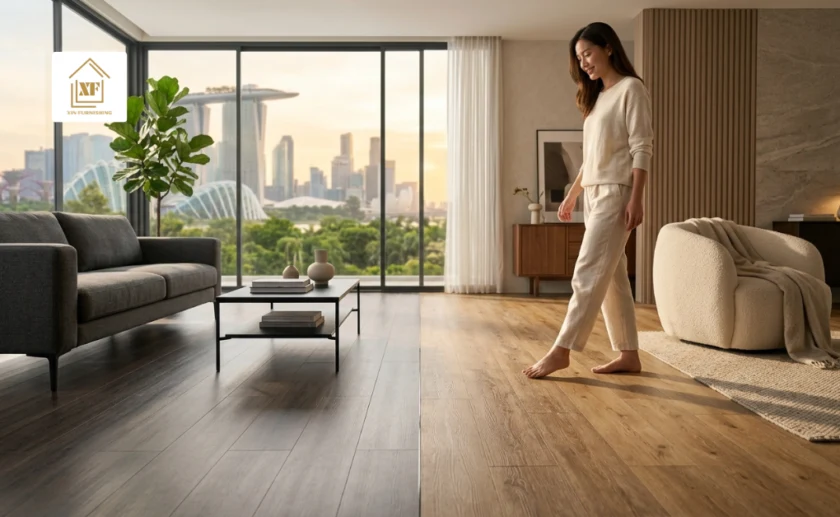
Comfort is one of the most noticeable differences between SPC and LVT flooring.
Because LVT flooring has a more flexible construction, it provides a softer and warmer feel when walking barefoot. This added cushioning makes standing for longer periods more comfortable and creates a quieter, more relaxed living environment.
SPC flooring feels firmer due to its rigid core. While many homeowners appreciate its solid feel, it generally offers less cushioning than LVT.
For bedrooms, living rooms, and family spaces, LVT flooring is often the preferred choice because it delivers a softer feel underfoot without sacrificing the durability needed for everyday residential use.
For workspaces or areas where structural strength matters more than softness, SPC flooring remains an excellent choice.
Best Choice for Comfort: LVT Flooring
SPC vs LVT Flooring for Noise Reduction
Noise levels can influence the overall comfort of a home, particularly in apartments, condominiums, and multi-storey properties.
Because of its softer construction, LVT flooring naturally absorbs more sound during everyday use. Footsteps tend to be quieter, helping create a more peaceful indoor environment.
This quieter performance makes LVT flooring particularly suitable for HDB flats and condominiums, where reducing everyday footstep noise can create a more comfortable living environment.
SPC flooring has a denser, more rigid core, which can produce a firmer sound when walked on. Many modern SPC flooring products include an attached acoustic underlay that significantly improves sound absorption and walking comfort.
The final acoustic performance depends not only on the flooring itself but also on the quality of the underlay and installation.
Best Choice for Noise Reduction: LVT Flooring
Water Resistance and Humidity Performance
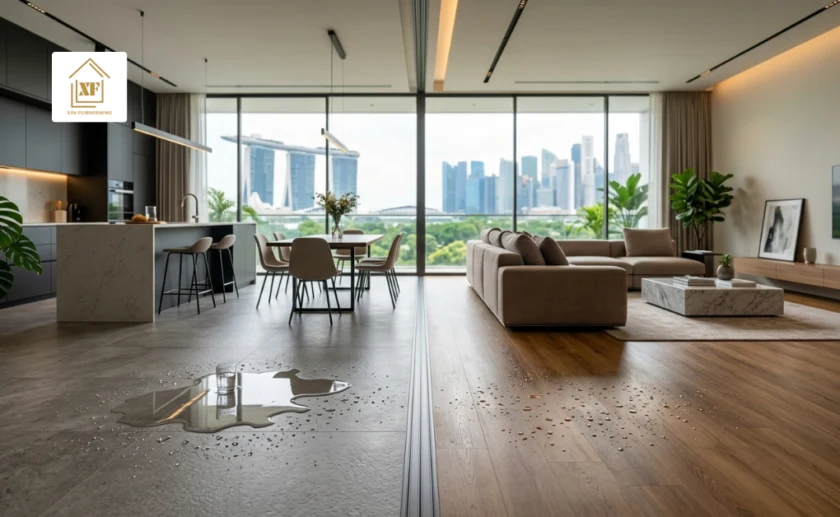
One of the main reasons homeowners choose vinyl flooring is its excellent moisture resistance. Both SPC and LVT flooring are designed to perform well in areas where occasional spills or humidity are common.
SPC flooring is completely waterproof and maintains its structural integrity even when exposed to moisture. Its rigid core does not absorb water, making it suitable for kitchens, dining areas, and other spaces where accidental spills may occur.
LVT flooring is also waterproof and performs exceptionally well in residential settings. Its protective wear layer helps prevent water from penetrating the surface, allowing for easy cleaning and everyday maintenance.
It’s important to note that while both flooring types are waterproof, water should not be left standing on the floor for extended periods.
Since both flooring types are fully waterproof, this feature is unlikely to be the deciding factor for most homeowners. Instead, comfort, design, and the intended use of the room often play a bigger role when choosing between SPC and LVT flooring.
Waterproof Comparison
| Performance Area | SPC | LVT |
| Spill Resistance | Excellent | Excellent |
| Moisture Resistance | Excellent | Excellent |
| Humid Conditions | Excellent | Excellent |
| Everyday Cleaning | Easy | Easy |
Verdict: For normal residential use, both SPC and LVT flooring deliver excellent waterproof performance.
Scratch Resistance
Both SPC and LVT flooring are designed to withstand daily wear, but scratch resistance depends primarily on the quality of the protective wear layer rather than the flooring core.
Premium SPC and LVT flooring products are manufactured with durable wear layers that help protect against scratches caused by everyday foot traffic, moving chairs, pet claws, and routine household activities.
Both SPC and LVT flooring can offer excellent scratch resistance when manufactured with a quality wear layer. In most residential environments, homeowners are unlikely to notice a significant difference, making the product specification more important than the flooring type itself.
Regardless of the flooring type, using furniture pads, keeping pet nails trimmed, and regularly removing dirt or grit can help minimise surface scratches and preserve the floor’s appearance.
Scratch Resistance Comparison
| Everyday Situation | SPC | LVT |
| Pet Claws | Excellent | Excellent |
| Furniture Movement | Excellent | Very Good |
| Daily Foot Traffic | Excellent | Excellent |
Expert Insight: The wear layer is often more important than whether you choose SPC or LVT. Comparing product specifications is just as important as comparing flooring types.
SPC vs LVT Flooring Installation
Both SPC and LVT flooring offer straightforward installation, but the methods available may differ depending on the product.
SPC flooring commonly uses a click-lock system that allows planks to fit securely together without adhesive. This installation method can help speed up renovation projects and reduce disruption within the home.
LVT flooring is available in both click-lock and glue-down options. Glue-down LVT may require more preparation and professional installation, but it provides a secure finish and is often selected for larger residential or commercial projects.
The availability of both click-lock and glue-down systems also gives LVT flooring greater flexibility for different renovation projects, allowing homeowners to choose the installation method that best suits their property and subfloor condition.
Before installation, the subfloor should always be clean, dry, and reasonably level to ensure the best long-term performance.
Installation Comparison
| Feature | SPC | LVT |
|---|---|---|
| Click-Lock Available | ✔ | ✔ |
| Glue-Down Available | Limited | ✔ |
| Installation Method | Usually click-lock | Click-lock or glue-down |
| Installation Speed | Generally fast | Depends on installation method |
| Suitable for Renovations | Excellent | Excellent |
Maintenance Requirements
One of the biggest advantages of both SPC and LVT flooring is their low maintenance requirements.
Regular sweeping or vacuuming helps remove dust and grit, while occasional mopping with a manufacturer-approved cleaner keeps the floor looking its best. Unlike natural timber flooring, neither option requires sanding, polishing, or refinishing.
To maximise the lifespan of your flooring, avoid harsh chemical cleaners, excessive water, and abrasive scrubbing tools. Placing protective pads beneath furniture and cleaning spills promptly will also help preserve the finish.
For most homeowners, maintaining either flooring type requires only minimal effort.
Verdict: There is no significant difference in day-to-day maintenance between SPC and LVT flooring.
Lifespan
The lifespan of SPC and LVT flooring depends on several factors, including product quality, wear layer thickness, installation standards, and ongoing maintenance.
High-quality SPC and LVT flooring can both provide many years of reliable performance when professionally installed and properly maintained. In residential settings, the wear layer, installation quality, and routine maintenance often have a greater impact on lifespan than the choice between SPC and LVT itself.
Similarly, premium LVT flooring can provide long-lasting performance when properly installed and maintained. In most residential homes, both flooring types are capable of delivering years of reliable service while retaining their appearance.
Rather than focusing solely on expected lifespan, homeowners should consider the quality of the product, the manufacturer’s warranty, and whether the flooring is suitable for the intended environment.
Expert Tip: Investing in a premium product and professional installation often has a greater impact on long-term performance than simply choosing between SPC and LVT.
SPC vs LVT Flooring Cost in Singapore
When comparing SPC vs LVT flooring in Singapore, price should be evaluated alongside durability, comfort, installation, and long-term value.
SPC flooring typically costs around S$6 to S$12 per square foot, depending on the product quality, thickness, design, and installation requirements. Its rigid construction and durability make it suitable for areas that experience heavier use.
LVT flooring typically ranges from around S$3 to S$8 per square foot, depending on the construction, wear layer, design, brand, and installation method. Premium LVT collections may cost more, but they can offer excellent long-term value by combining durability, comfort, realistic designs, and quieter performance.
Keep in mind that flooring prices in Singapore can vary depending on whether the quoted price includes materials, installation, subfloor preparation, skirting, and other additional works. It is therefore important to compare the total project cost rather than looking at the flooring price alone.
Cost Comparison
| Cost Factor | SPC Flooring | LVT Flooring |
|---|---|---|
| Material Cost | Around S$6–S$12/sq ft | Around S$3–S$8/sq ft |
| Installation Cost | Varies by project | Varies by installation method |
| Maintenance Cost | Low | Low |
| Long-Term Value | Excellent | Excellent |
Key Takeaway: LVT flooring can offer a lower entry price while providing excellent durability, comfort, design flexibility, and easy maintenance. SPC flooring generally comes at a higher price but offers excellent rigidity and stability for demanding applications. For most residential and many commercial projects, high-quality LVT flooring provides an excellent balance of performance, comfort, and long-term value.
Where SPC or LVT Flooring Works Best in a Singapore Home?
The best choice between SPC and LVT flooring depends on the type of property, room usage, foot traffic, and the level of comfort or durability required. The table below provides a quick guide, followed by recommendations for different types of Singapore homes and spaces.
| Space | Recommended | Reason |
|---|---|---|
| Master Bedroom | LVT | Softer underfoot, warmer feel, and quieter performance |
| Children’s Bedroom | LVT | Comfortable underfoot and helps reduce everyday footstep noise |
| Elderly Family Member’s Room | LVT | Softer and more comfortable for everyday movement |
| Living Room – Multi-Generational Home | LVT | Provides greater comfort and quieter performance for everyday family use |
| Living Room – Adults Only | Either | LVT for comfort; SPC for heavier furniture and greater rigidity |
| Study Room | LVT | Comfortable underfoot for extended periods of work or study |
| Kitchen | Either | Both offer excellent moisture resistance and everyday durability |
| HDB Corridor | Either | Both can handle regular foot traffic when the right product is selected |
| Commercial Space | SPC | Greater rigidity and structural stability for demanding, high-traffic environments |
| Wet Bathroom | Neither; use tiles | Wet bathrooms require flooring designed for prolonged water exposure and proper drainage |
HDB Flats
For most HDB homes, LVT flooring is a practical choice for bedrooms, living rooms, study areas, and family spaces. Its softer construction provides a more comfortable feel underfoot and can help create a quieter indoor environment.
SPC flooring can still work well in HDB flats where greater rigidity is needed, such as areas with heavier furniture or higher traffic. For most everyday residential spaces, however, LVT offers a comfortable balance of durability and practicality.
Condominiums
For condominium interiors, LVT flooring works particularly well in bedrooms, living rooms, and other areas where comfort and quiet performance are important. Its realistic wood and stone designs also suit modern interior styles.
SPC can be considered for higher-use areas where greater rigidity is preferred. For general living spaces, LVT provides a softer and more comfortable flooring experience.
Landed Homes
Landed homes often have different flooring requirements from room to room. LVT is well suited to bedrooms, study rooms, family areas, and living spaces where comfort is a priority.
SPC can be considered for entrances, kitchens, or other areas that experience heavier traffic or require greater structural stability. Using either material according to the function of each room can provide a practical balance of comfort and durability.
Commercial Spaces
Commercial spaces generally experience more foot traffic and heavier daily use than residential areas. SPC flooring can be a suitable choice for demanding commercial environments because its rigid core provides strong structural stability.
However, LVT can also work well in offices, meeting rooms, consultation rooms, boutiques, and other customer-facing areas where comfort and interior appearance are important.
Rental Properties
For standard residential rental properties, LVT can be a practical option because it combines comfort, attractive designs, everyday durability, and easy maintenance. It is particularly suitable for bedrooms, living areas, and other spaces intended for everyday residential use.
SPC may be worth considering for rental properties that experience heavier traffic or require greater rigidity. The choice should depend on the property’s expected use, maintenance requirements, and long-term flooring needs.
Which Flooring Should You Choose?
After comparing SPC vs LVT flooring, the right choice comes down to your priorities. Consider how much durability, rigidity, comfort, and noise reduction you need before making your decision.
Choose SPC Flooring If You:
- Need greater structural stability and rigidity.
- Expect heavy furniture or demanding daily use.
- Want flooring for high-traffic environments.
- Prefer a firmer feel underfoot.
- Prioritise durability over softness and cushioning.
Choose LVT Flooring If You:
- Want a softer and more comfortable feel underfoot.
- Prefer quieter footsteps and better acoustic comfort.
- Value realistic wood and stone designs.
- Want greater flexibility in flooring and installation options.
- Prioritise a balance of comfort, durability, and long-term value.
Still Unsure?
If you’re looking for flooring that balances durability, comfort, and design flexibility, LVT flooring is a practical choice for both residential and commercial spaces. Its versatile construction makes it suitable for everything from family homes and offices to retail stores and hospitality environments.
Common Mistakes When Choosing SPC or LVT Flooring
Choosing between SPC and LVT flooring involves more than comparing prices or product names. Avoiding these common mistakes will help you select flooring that performs well for years to come.
Choosing Based Only on Durability
Many homeowners assume that the strongest flooring is automatically the best choice. In reality, most residential homes do not require commercial-grade rigidity. Consider how each room is used before choosing between SPC and LVT flooring.
Ignoring the Wear Layer
Many buyers focus only on plank thickness. However, the wear layer is one of the most important factors affecting scratch resistance, durability, and long-term performance.
Always compare wear layer specifications alongside the flooring type.
Choosing the Wrong Flooring for the Room
Different rooms have different requirements.
Bedrooms, living rooms, and family spaces often benefit from the added comfort and quieter performance of LVT flooring, while kitchens, entrances, or commercial environments may benefit from the additional rigidity offered by SPC flooring.
Overlooking Professional Installation
Even premium flooring may not perform as expected if it is installed incorrectly.
Proper subfloor preparation, expansion gaps, and professional installation all contribute to long-term performance regardless of whether you choose SPC or LVT flooring.
Focusing Only on Upfront Cost
Choosing the cheapest flooring does not always provide the best value. Product quality, warranty, installation standards, and suitability for your lifestyle often have a greater impact on long-term satisfaction than the initial purchase price.
Final Verdict
When comparing SPC vs LVT flooring, both options deliver excellent waterproof performance, durability, and low-maintenance benefits. The key difference lies in how they perform in everyday living.
If your project involves commercial spaces, exceptionally heavy foot traffic, or environments where maximum structural stability is essential, SPC flooring is a dependable choice.
For most residential and commercial spaces, high-quality LVT flooring offers the best overall balance of durability, comfort, aesthetics, and long-term performance. With the right wear layer and professional installation, it provides a practical flooring solution for homes, offices, retail spaces, and other commercial environments while creating a quieter and more comfortable space.
Rather than choosing the strongest flooring available, focus on selecting the flooring that best matches your lifestyle and the way each room is used. For HDB flats, condominiums, and most family homes, LVT flooring is often the smarter long-term investment, combining style, comfort, and reliable performance in one flooring solution.
If you’re still deciding between SPC and LVT flooring, visiting a showroom and comparing different collections in person can help you choose the flooring that best suits your home, design preferences, and renovation goals.
FAQs
Is LVT better than SPC vinyl flooring?
LVT flooring is often considered better than SPC flooring for residential spaces because it offers greater comfort, better sound absorption, and more realistic wood and stone designs. Its softer surface makes it comfortable for bedrooms, living rooms, and family areas, especially in HDB flats and condominiums. However, SPC flooring may be a better choice for high-traffic areas where maximum durability and impact resistance are required. The best option depends on your lifestyle, budget, and flooring needs.
Is SPC flooring prone to termites?
No, SPC flooring is 100% termite resistant because it contains no natural wood. Made from a combination of limestone and PVC, SPC flooring does not provide a food source for termites, making it an excellent flooring option for Singapore homes. Its termite-resistant properties, combined with its durability and waterproof performance, make SPC flooring a popular choice for both residential and commercial spaces.
Which is better, SPC or vinyl flooring?
SPC flooring and vinyl flooring each have their own advantages. SPC flooring provides a rigid, highly durable, and waterproof surface that performs well in commercial spaces and areas exposed to heavy use. Traditional vinyl flooring, including LVT, offers better comfort, noise reduction, and design flexibility, making it ideal for most Singapore homes. For homeowners seeking a balance of style, comfort, and everyday practicality, vinyl flooring is often the preferred choice.
Is SPC more expensive than LVT?
In many cases, SPC flooring is slightly more affordable than premium LVT flooring. SPC flooring in Singapore typically costs between S$4 and S$8 per square foot, while high-quality LVT flooring generally ranges from S$5 to S$10 per square foot. Although LVT may have a higher upfront cost, many homeowners find the added comfort, superior aesthetics, and quieter living experience worth the investment. Actual pricing will vary depending on product quality, thickness, wear layer, and installation requirements.