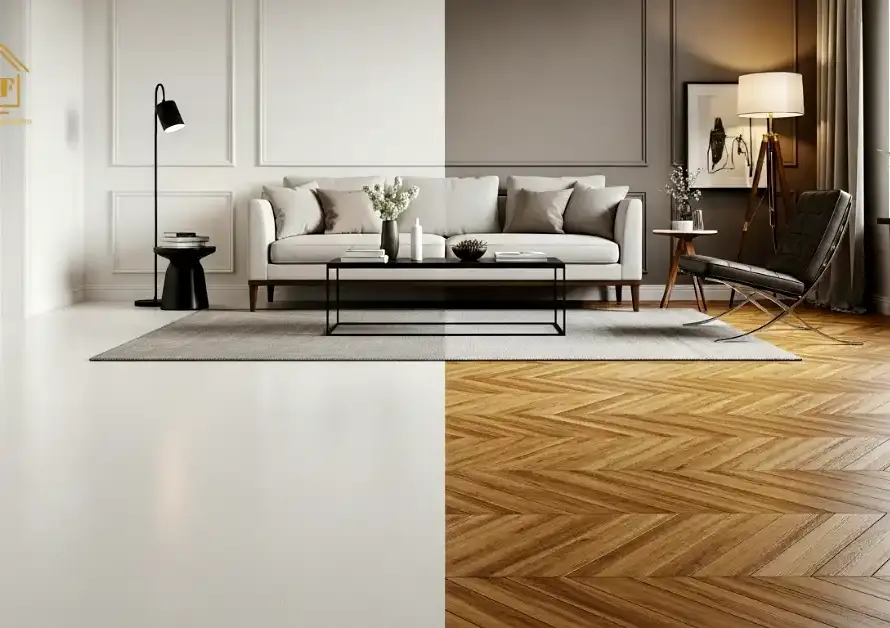
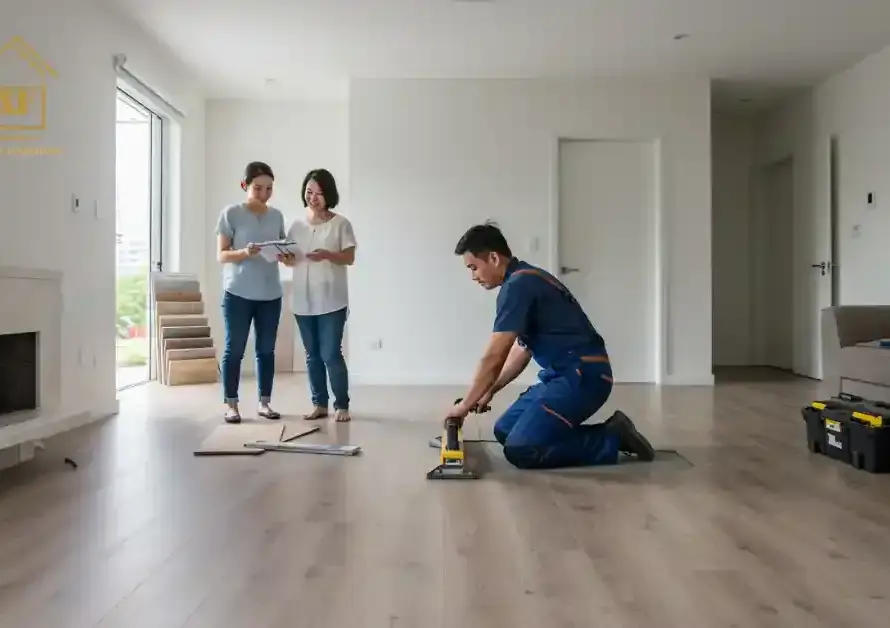
Vinyl flooring is a common feature in many Singapore homes because it’s practical, comfortable, and easy to live with. But over time, floors that once looked clean and glossy can start to appear dull. Daily foot traffic, fine dust, and humidity slowly take away the shine, even when the floor is cleaned regularly.
This usually isn’t a sign of damage; it’s a sign that the floor needs proper care. Polishing can restore its natural finish, protect it from everyday wear, and keep your home looking bright and inviting. In this guide, we’ll show simple steps to refresh your vinyl floors and bring out their natural shine.
What You Need Before Polishing Vinyl Floors
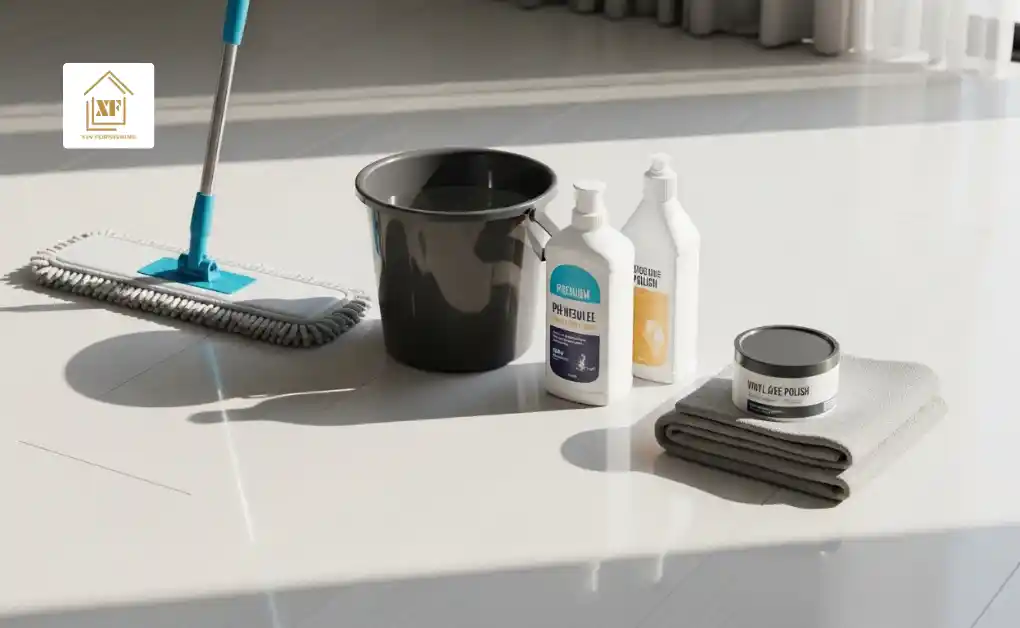
Before you begin, gather a few basic items. Most households already have these at home.
You’ll need:
- A microfiber mop or soft cloth
- A bucket of clean water
- A mild, pH-neutral floor cleaner
- Vinyl-safe floor polish
- Dry towels for wiping
Avoid rough brushes or harsh chemicals. Vinyl has a protective surface layer, and gentle tools help keep that layer intact. Think of polishing as caring for the floor rather than scrubbing it.
Step 1: Clean the Floor Properly
Before polishing, the floor needs to be cleaned properly. Even a little dust or grit can create streaks or dull spots once the polish is applied.
Start by moving small furniture and rugs so you can reach every corner. Sweep or vacuum carefully, especially along edges where dirt tends to gather. In Singapore homes, fine dust settles quickly, so this step makes a noticeable difference.
Next, mop the floor with a mild cleaner mixed with water. The surface should feel clean but not wet. Because humidity slows drying, let the floor dry completely before polishing. A clean, dry floor lets the polish glide on smoothly and brings out a natural shine that instantly brightens the room.
Step 2: Apply the Polish
Once the floor is completely dry, you’re ready to polish.
- Shake the polish bottle gently: This helps mix the solution evenly before application.
- Pour a small amount of polish: Pour a little onto the floor or directly onto your mop. Avoid using too much product at once.
- Spread the polish evenly: Use thin, smooth strokes and work in small sections so you stay in control.
- Move in one direction: Keeping a consistent direction helps prevent visible streaks or lines.
- Allow the floor to dry completely: Leave the area untouched until the polish has fully set.
Using less product often gives better results. A light layer dries faster and creates a natural shine instead of a sticky finish. Open windows or switch on a fan to help air circulate while the polish sets. As the surface dries, you’ll notice the floor begin to reflect light again, a small change that instantly makes the room feel cleaner and brighter.
Step 3 (Optional): Buff for Extra Shine
For a smoother, more refined finish, you can buff the floor after the polish has dried.
Use a clean microfiber mop or a soft pad and move gently in circular motions. This helps even out the surface and adds a soft glow similar to a professionally finished floor.
Buffing isn’t essential, but it can enhance the overall appearance, especially in living rooms or open spaces where lighting highlights the flooring.
How Often Should You Polish Vinyl Floors in Singapore?
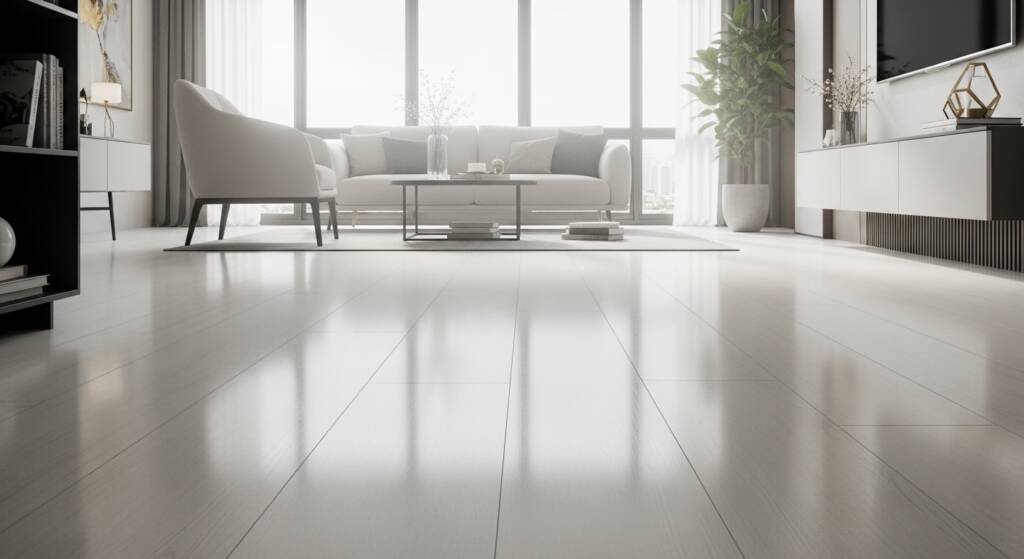
Singapore’s climate plays a big role in floor care. Humidity and frequent cleaning can slowly reduce shine, meaning floors may need refreshing sooner than in drier countries.
As a general guide:
- High-traffic areas like living rooms benefit from polishing every two to three months.
- Bedrooms or quieter spaces may only need attention every four to six months.
Instead of following a strict schedule, watch how the floor looks. When it begins to appear flat or less vibrant despite regular cleaning, it’s time for another polish.
Common Mistakes Singapore Homeowners Should Avoid
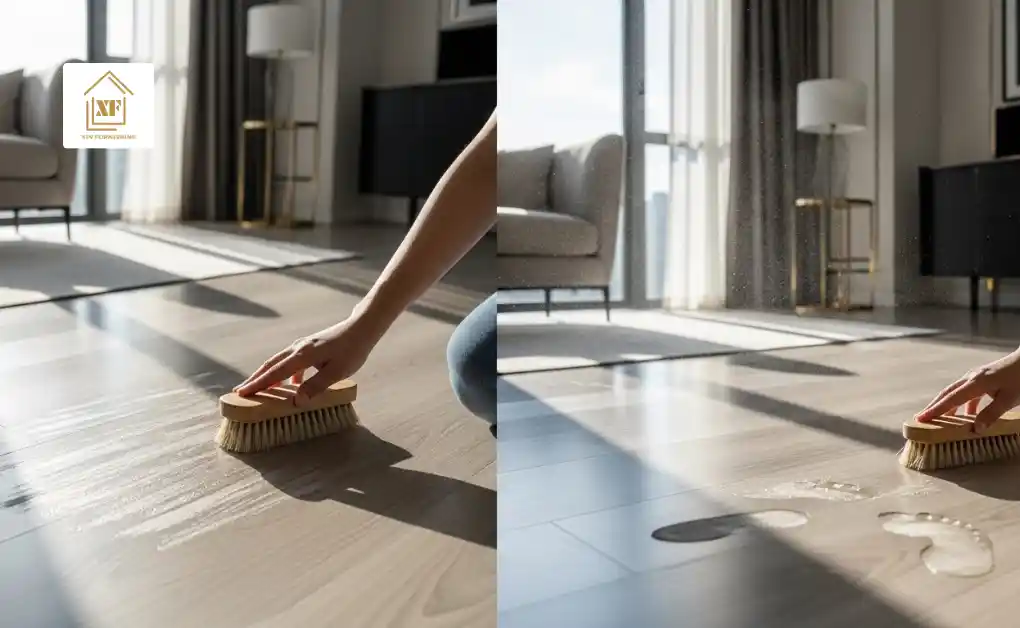
Polishing works best when done carefully. A few simple mistakes can affect the final finish.
- Using strong cleaners such as bleach or ammonia
- Applying thick layers of polish
- Walking on the floor before it dries
- Leaving windows wide open during application, allowing dust to settle
Gentle handling always produces better results. Vinyl flooring responds well to patience and light care.
Easy Habits to Keep Vinyl Floors Shiny Longer
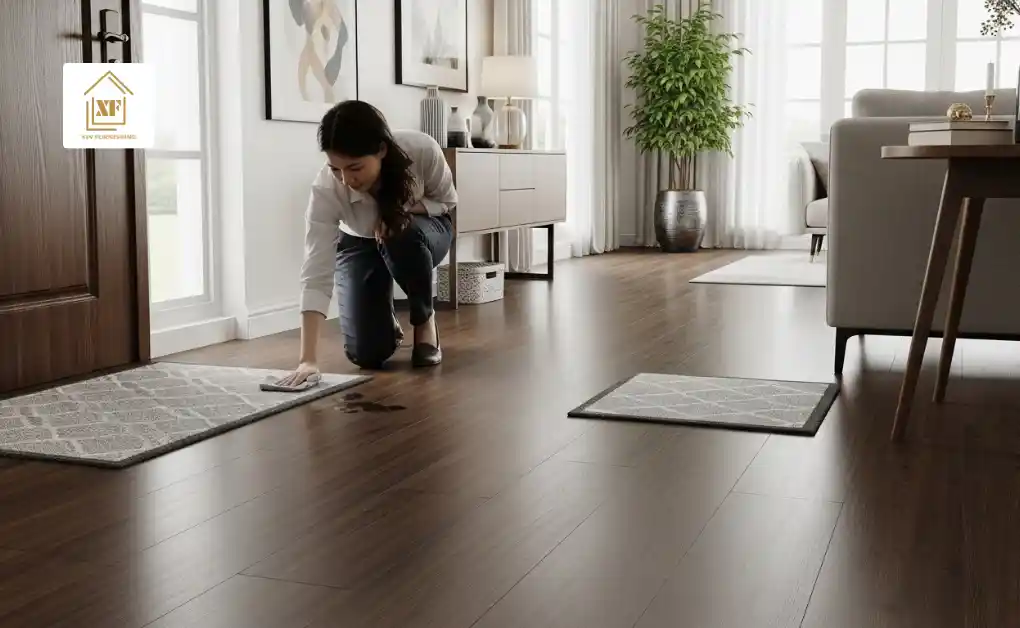
A few simple daily habits can help your vinyl floors maintain that freshly polished look for longer. Place mats near entrances to catch dirt before it gets tracked indoors. Wipe up spills promptly so moisture doesn’t sit on the surface and leave marks. Adding protective pads under chairs and tables also helps prevent scratches when furniture is moved.
Regular, light cleaning keeps the floor looking fresh and reduces how often you’ll need to polish. For more detailed tips on maintaining vinyl flooring day-to-day, you can explore our guide on easy vinyl flooring care and maintenance. Over time, these small habits make floor care feel simple and almost effortless.
Conclusion
Keeping vinyl floors looking their best comes down to a few simple steps done well: cleaning the surface properly, applying polish carefully, and maintaining it with small everyday habits. When each stage is done correctly, the result is a smooth, even shine that lasts longer and requires less effort over time.
A well-maintained floor quietly improves the entire space, making rooms feel brighter and more cared for. With the right approach, restoring and maintaining that polished look becomes an easy part of regular home care rather than a big task.
FAQs
1. Can you use a steam mop on vinyl floors?
Steam mops are not recommended because heat and excess moisture can weaken vinyl flooring over time. A damp microfiber mop is a safer and more suitable option.
2. Why do vinyl floors look cloudy after cleaning?
Cloudiness usually occurs due to leftover cleaning residue or excess water. Using a gentle cleaner and allowing the floor to dry properly helps restore its clear shine.
3. Is vinyl flooring waterproof or just water-resistant?
Many vinyl floors are highly water-resistant, while premium options are fully waterproof. Even so, standing water should be cleaned quickly to protect seams and edges.
4. How do you remove scuff marks from vinyl floors safely?
Use a soft cloth with a small amount of baking soda paste or a vinyl-safe cleaner to gently lift scuff marks. Avoid abrasive pads that can scratch the surface.