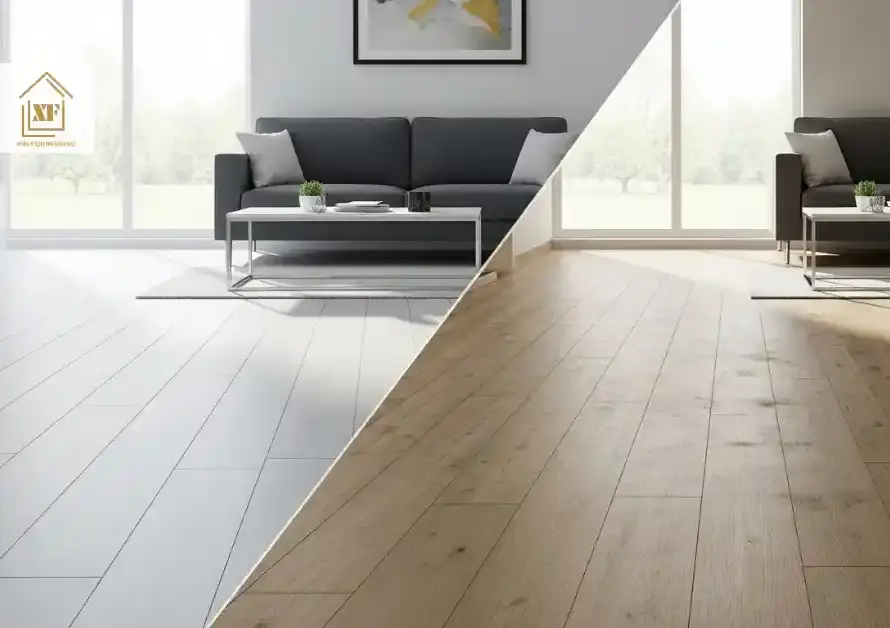
Vinyl floors are a common choice in Singapore homes. They suit the climate, feel comfortable underfoot, and work well in everything from HDB flats to landed houses. Yet many homeowners notice that their floors lose their shine sooner than expected or begin to look tired despite regular cleaning.
In most cases, the issue isn’t the flooring itself. It comes down to the cleaning products for vinyl floors and how they are used. Harsh chemicals, too much water, or unsuitable tools can slowly wear down the surface without obvious signs at first. Once you understand how vinyl floors respond to cleaning, maintaining them becomes simple and predictable rather than frustrating.
Why Vinyl Floors Need Special Care
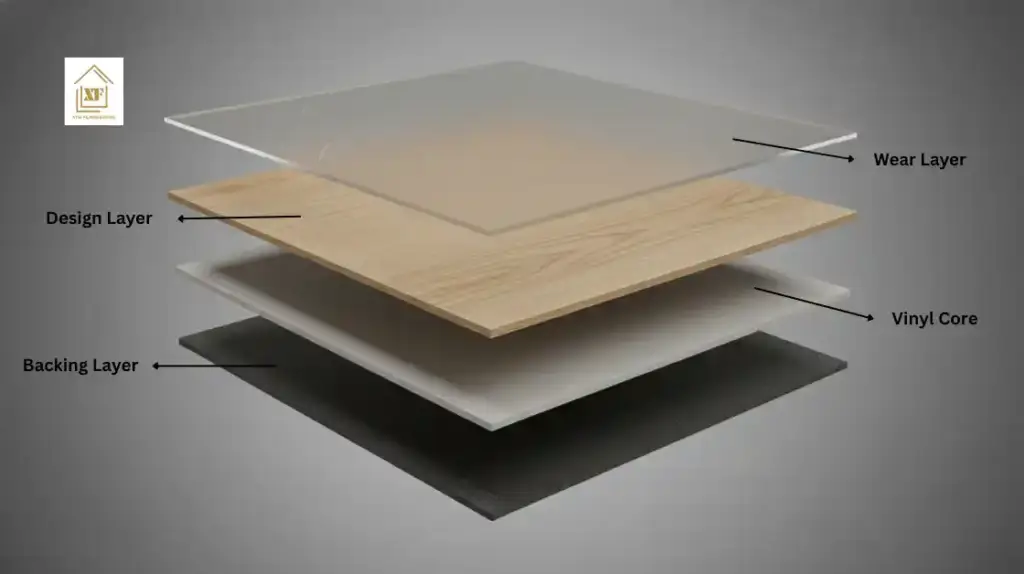
Vinyl flooring is made up of multiple bonded layers topped with a clear protective surface. This top layer determines how the floor reacts to moisture, pressure, and everyday wear. When it remains intact, the floor keeps its colour, texture, and finish for years.
Because vinyl is flexible, it behaves differently from tiles or stone. Heat, friction, and moisture affect it more easily, especially in indoor environments with limited airflow. This applies across all styles, including wood and stone vinyl flooring, which rely on the same protective layer to maintain their appearance. Understanding this structure helps homeowners clean vinyl flooring correctly without relying on trial and error.
Cleaning Products That Are Safe for Vinyl Floors
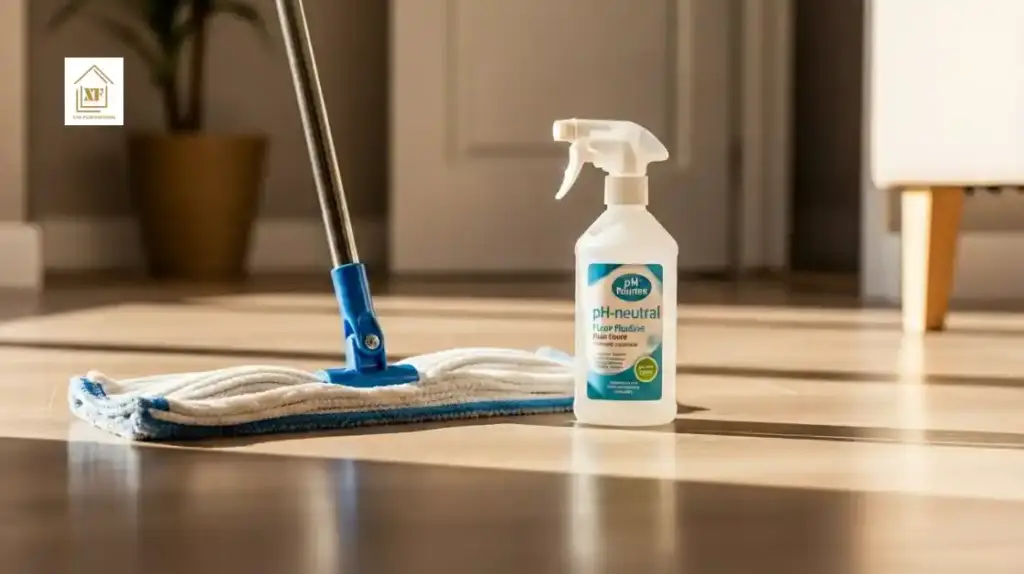
1. pH-Neutral Floor Cleaners
pH-neutral cleaners are one of the safest and most widely recommended options for vinyl floors. As a regular vinyl floor cleaner, they remove everyday dirt and grime without interfering with the protective surface.
These cleaners rinse away cleanly and do not leave behind a sticky film. This is especially useful in Singapore’s humid climate, where residue can make floors feel tacky. With consistent use, pH-neutral cleaners help vinyl floors stay fresh, comfortable to walk on, and visually even over time.
2. Mild Dish Soap with Warm Water
For routine cleaning, a small amount of mild dish soap mixed with warm water is often sufficient to clean vinyl flooring safely. It lifts light marks, dust, and everyday spills without stripping the surface.
The key is moderation. Only a few drops of soap are needed, and the mop should be wrung until just damp. Controlled moisture prevents issues around seams and edges while still allowing the floor to be cleaned effectively.
3. Diluted Vinegar for Occasional Use
White vinegar can be useful for removing greasy patches or stubborn marks that remain after regular cleaning. When properly diluted, it can serve as a short-term vinyl floor cleaning solution for specific problem areas.
Because vinegar is mildly acidic, frequent use can gradually dull the finish. It works best as an occasional spot treatment rather than a routine cleaner, followed by a plain water rinse to protect the surface.
4. Manufacturer-Recommended Cleaning Solutions
Some vinyl flooring products are designed with specific care requirements. Manufacturer-recommended cleaning solutions are formulated to match the floor’s construction and surface coating.
Using approved products helps preserve the finish and reduces the risk of long-term damage. It may also be important for maintaining warranty coverage, particularly for newer installations of vinyl flooring in Singapore.
For a complete routine beyond product choice, you can follow our step-by-step guide on how to clean vinyl floors.
Cleaning Tools That Work Best on Vinyl Floors
The right tools make cleaning vinyl floors easier while protecting the surface.
- Microfiber mops lift dust and grime gently without scratching or dulling the finish.
- Soft-bristle brooms remove loose dirt and grit without dragging abrasive particles across the floor.
- Vacuum cleaners should be used on hard-floor settings with rotating brushes switched off to avoid unnecessary surface wear.
Avoid using a heavy-duty vinyl floor scrubber or motorised cleaning equipment. While these tools may seem efficient, they can gradually wear down the protective layer and make the floor harder to maintain over time.
What to Avoid When Cleaning Vinyl Floors
1. Harsh Chemicals
Certain cleaning products are too aggressive for vinyl flooring. Bleach, ammonia, acetone, and chlorine-based cleaners can break down the protective surface, causing fading or uneven patches.
Although these chemicals may appear effective initially, repeated use accelerates surface wear and shortens the floor’s lifespan.
2. Abrasive Cleaning Tools
Vinyl floors are not designed for rough scrubbing. Scouring pads, steel wool, and stiff brushes can leave fine scratches that trap dirt and make cleaning more difficult over time.
Gentle cleaning methods, repeated if necessary, are far safer and more effective than aggressive scrubbing.
3. Steam Mops and Excess Water
Steam mops are unsuitable for vinyl flooring. Heat forces moisture into seams and edges, where it can weaken adhesives beneath the surface.
In humid conditions, trapped moisture dries slowly and may lead to lifting or subtle warping. While vinyl handles occasional spills well, it is not designed for repeated exposure to heat and excess water during cleaning.
4. Wax and Shine Products
Vinyl floors are manufactured with a built-in finish and do not require waxing. Shine products often leave a thin residue that attracts dust and makes the floor slippery.
Over time, this buildup clouds the surface rather than enhancing it, making the floor harder to clean and less comfortable to live with.
Common Mistakes That Damage Vinyl Floors
Many issues with vinyl flooring come from small, repeated habits rather than single incidents.
- Using too much vinyl cleaner can leave residue that dulls the finish.
- Allowing spills to sit gives stains time to settle into the surface.
- Dragging furniture without protective pads can cause scratches that cannot be removed through cleaning.
Adjusting these habits helps preserve the floor’s appearance and reduces long-term wear.
Simple Ways to Protect Vinyl Floors Long-Term
Preventive care reduces the need for frequent deep cleaning or heavy use of a floor cleaner for vinyl floors. Simple maintenance habits help extend floor life.
- Place mats at entrances to trap dirt and moisture before they reach the floor.
- Use felt pads under furniture legs to prevent scratches during movement.
- Wipe up spills promptly to prevent moisture from lingering on the surface.
- Avoid rubber-backed mats, which can react with vinyl and leave marks that are difficult to remove.
These simple practices help vinyl floors remain neat, stable, and easy to maintain over time.
Conclusion
Vinyl flooring performs best when cared for with a consistent, gentle approach. Using suitable cleaning products for vinyl floors, choosing soft tools, and avoiding unnecessary treatments all help protect the surface as designed. When cleaning habits align with how vinyl flooring is constructed, the floor retains its appearance, comfort, and practicality even in busy living spaces. With the right care, vinyl flooring in Singapore remains a low-maintenance and reliable flooring option for the long term.
FAQs
1. How often should vinyl floors be cleaned?
Vinyl floors benefit from light, regular cleaning. Sweeping or vacuuming daily removes grit that can scratch the surface, while mopping once a week with a vinyl-safe cleaner keeps the floor fresh. High-traffic areas may need additional attention, but intensive cleaning is rarely required.
2. Which chemical is best for floor cleaning?
For most floors, especially vinyl, a pH-neutral cleaner is the safest and most effective choice. It works as a reliable vinyl cleaner, removing everyday dirt without damaging the surface.
3. How to make vinyl floors look new again?
Focus on removing buildup rather than adding shine. Clean the floor using a pH-neutral cleaner or mild dish soap in warm water, applied with a microfiber mop. Avoid excess moisture. Once the buildup is removed, the floor’s natural finish typically returns.
4. How to clean vinyl that has become sticky?
Sticky vinyl floors are usually caused by leftover cleaner or shine products. Mop with clean warm water to rinse away residue, changing the water as it becomes cloudy. If needed, use a diluted vinegar solution once to break down buildup, then rinse thoroughly with plain water.