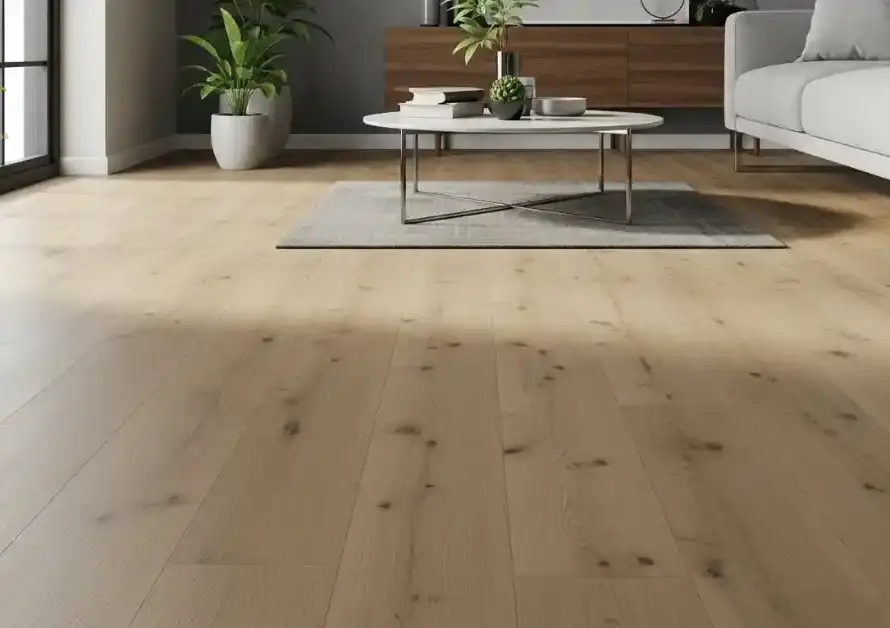
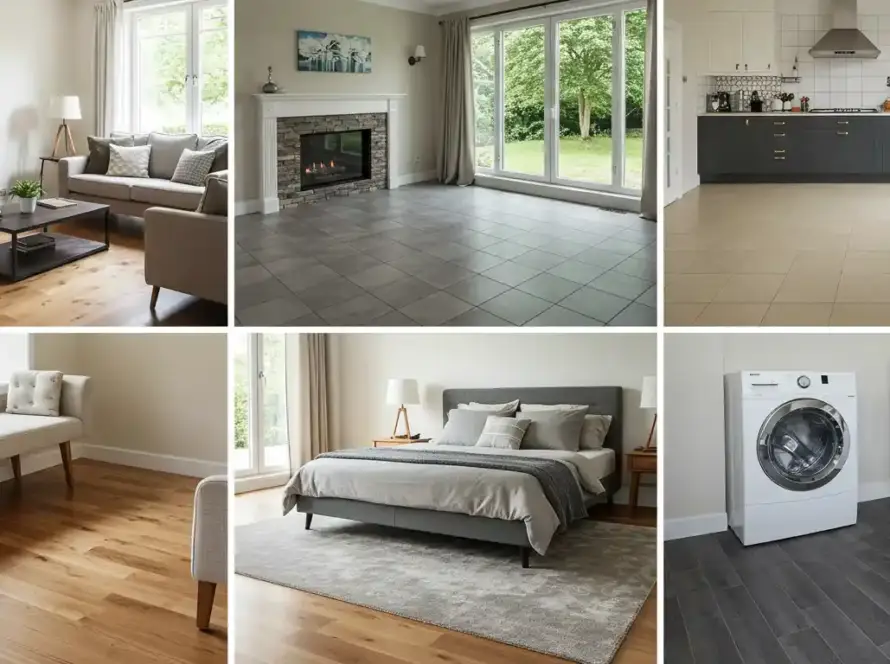
Flooring is one of the most important parts of any home, yet it’s often overlooked until renovation time. Choosing the wrong floor can affect comfort, noise, and daily cleaning, which homeowners often only realise once they start living with it.
If you’re deciding between ceramic tiles and vinyl flooring, it helps to know the basics first. Tiles are made from glazed, hardened natural clay, while vinyl is made from reinforced plastic such as PVC and fibreglass. Both can look amazing and last a long time, but they behave very differently in everyday life.
This article will guide you through Vinyl Flooring vs Tile in Singapore and how each performs in real homes, so you can choose the flooring that fits your lifestyle, budget, and Singapore living conditions. By the end, you’ll know exactly which option makes sense for your home.
Vinyl Flooring vs Tile in Singapore
Installation: How the Process Differs?
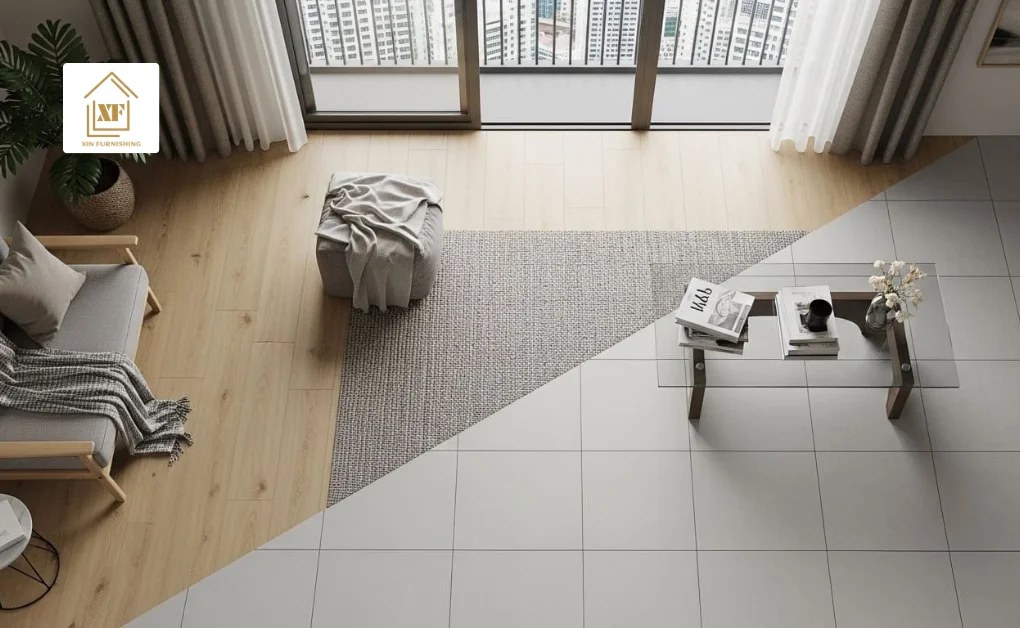
Many homeowners notice the difference between vinyl and ceramic tile during renovation. Vinyl flooring is quick to install. The planks click together over a prepared surface, creating less dust and a shorter renovation period. This is very convenient for families who stay at home during renovation.
Ceramic tiles take more steps. Each piece must be placed carefully with adhesive, lined up correctly, and left to set before grouting. It takes longer and involves more construction work. Even before moving in, vinyl feels simpler, while ceramic tile needs more time and planning.
Comfort: How Your Feet Feel?
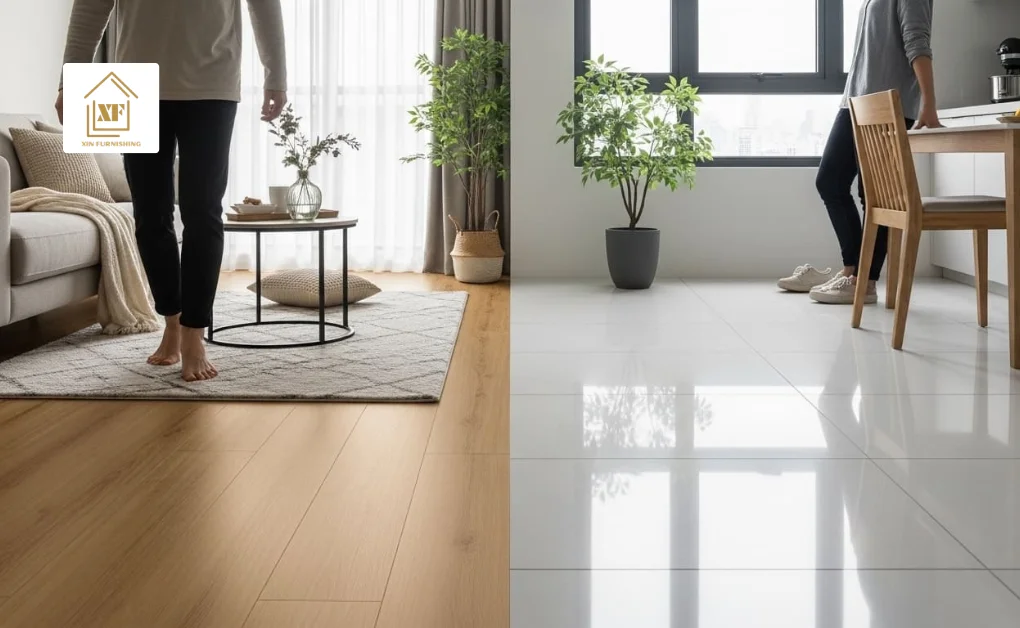
Once the floor is in, most homeowners notice how it feels underfoot. Vinyl has a little cushioning, making it more comfortable to walk barefoot or stand for a long time. It also helps reduce noise in apartments or multi-level homes.
Tiles feel hard and cool. Many homeowners like this refreshing feeling, especially during Singapore’s warm afternoons. The trade-off is that standing on ceramic tiles for long periods can be tiring. Vinyl is easier to use in everyday bedrooms and living areas, while ceramic tile works well in cooler, less-used spaces.
Durability: Which Lasts Longer?
Ceramic tiles are very strong and can last for many years, even with heavy foot traffic or moving furniture. The only downside is that it can crack if something heavy falls on it.
Vinyl flooring is softer and more flexible. It can handle small drops or daily use without breaking. Over time, it may get some scratches or marks, but it rarely cracks. In short, ceramic tiles are hard and strong, while vinyl is flexible and forgiving.
Water Resistance: Handling Singapore’s Humidity
Singapore’s tropical weather makes water resistance important. Vinyl flooring usually has a waterproof top layer that protects against spills and everyday humidity. This makes it good for bedrooms, living rooms, and other indoor spaces.
Ceramic tiles naturally resist water, which is why they’re popular in bathrooms and kitchens. The grout lines need occasional care because they can trap moisture or dirt. Vinyl is easier in drier spaces, while ceramic tiles work best where water is often present.
Maintenance: Keeping It Looking Good
Vinyl is easy to care for. Sweeping and mopping occasionally are usually enough because dirt has few places to hide. Its low-maintenance nature makes it ideal for busy households.
Ceramic tiles are also easy to clean. Grout lines may need scrubbing or sealing sometimes to stay fresh. Overall, vinyl is slightly easier to maintain, while ceramic tiles need regular attention to stay perfect.
Cost: How Much You’ll Spend?
Vinyl flooring usually costs less for both material and installation. This makes it a good choice for homeowners who want a stylish upgrade without spending too much.
Ceramic tiles cost more upfront due to higher material prices and longer installation times. For homeowners who plan to stay in their homes for many years, this investment can be worth it. Vinyl is better for short- to medium-term use, while ceramic tiles are great for long-term durability.
Appearance: Setting the Mood of Your Home
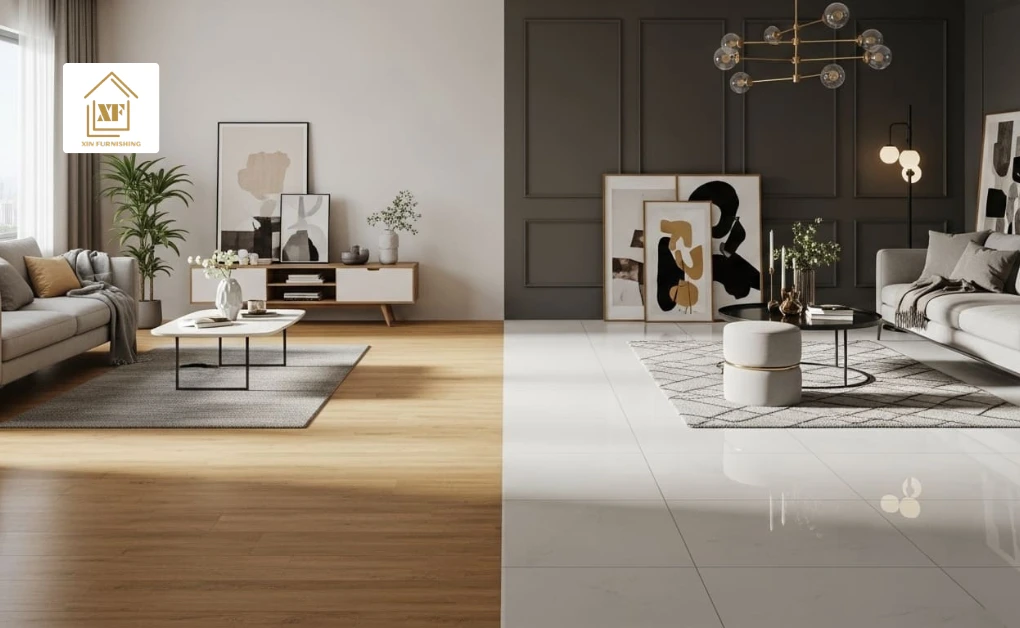
Vinyl often looks like natural wood or stone, giving rooms warmth and a cosy feel. The planks fit closely together, creating a smooth and continuous surface that works well in living areas and bedrooms.
Ceramic tiles give a clean and polished look. Large tiles make rooms feel brighter and more spacious, while patterns and textures add character. Vinyl adds warmth and flow, while ceramic tiles bring structure and timeless style. Your choice depends on whether you want a cosy or crisp atmosphere.\
Conclusion
Vinyl Flooring vs Tiles in Singapore shows that vinyl flooring combines comfort, style, and practicality, making it ideal for bedrooms, living areas, kitchens, and busy family spaces. Its variety of designs, from wood-look vinyl to stone-look vinyl, lets you match your personal style while keeping everyday life easy and enjoyable. Whether you want a warm, cosy feel for your family or a sleek, modern look for your living spaces, vinyl offers options that suit every room. With the help of a trusted vinyl flooring contractor in Singapore, your floors can be installed perfectly and last for years to come. Take the next step today, explore vinyl flooring collections, consult a contractor, and find the perfect flooring that makes your home truly feel like yours.
Frequently ASKED QUESTIONS
Can vinyl flooring scratch easily if I have pets at home?
Vinyl is more scratch-resistant than some wooden floors, but it can still get claw marks. Choosing luxury vinyl with a thicker wear layer helps prevent scratches. Regular nail trimming for pets also helps maintain the floor’s appearance.
How long does tile installation usually take in Singapore?
Tile installation generally takes 2–5 days for a standard-sized room, including adhesive curing and grouting, depending on the room size and layout complexity. Larger or patterned tiles may require extra time.
Are there eco-friendly vinyl flooring options available locally?
Yes. Several Singapore suppliers offer low-VOC or recycled vinyl options that are safer for indoor air quality and more environmentally friendly. These are ideal for households with children or allergy concerns.
Can I install vinyl flooring in high-moisture areas like kitchens or bathrooms?
Yes, but it must be properly sealed and installed with moisture barriers. Luxury vinyl planks or sheets are often suitable for kitchens and laundry areas. Proper maintenance ensures long-lasting protection against water damage.
Which flooring type is better for underfloor heating or air-conditioned rooms?
Both can work, but vinyl is often preferred for underfloor heating because it conducts heat efficiently and feels comfortable underfoot. Tiles can also work, but may feel colder on air-conditioned days. Adding an underlay can improve comfort and heat retention.