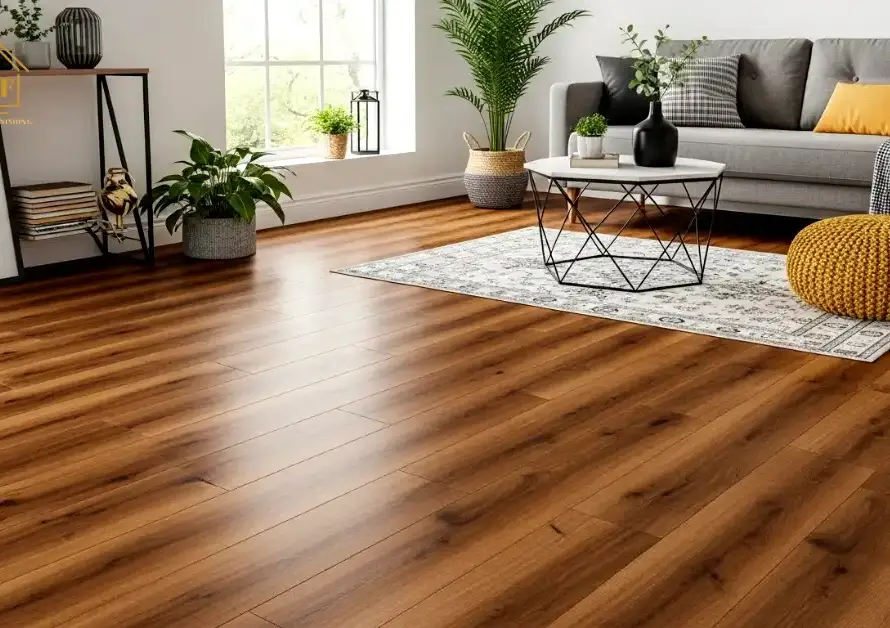
Choosing a floor isn’t just about picking a colour or pattern, it affects how a room feels, how easy it is to maintain, and the overall atmosphere of your space. The right flooring can make your home or office comfortable, stylish, and practical, while the wrong choice can lead to extra work and frustration.
If you’re comparing options for your property in Singapore, vinyl flooring vs homogeneous tiles is a decision many homeowners and business owners face. At first glance, they might look similar, but they behave very differently in terms of durability, comfort, and maintenance.
In this guide, we’ll explore what makes each type unique, how they perform in everyday life, and the best spaces for each, so you can confidently choose flooring that works for your lifestyle, your business, and your budget.
What Is Vinyl Flooring?
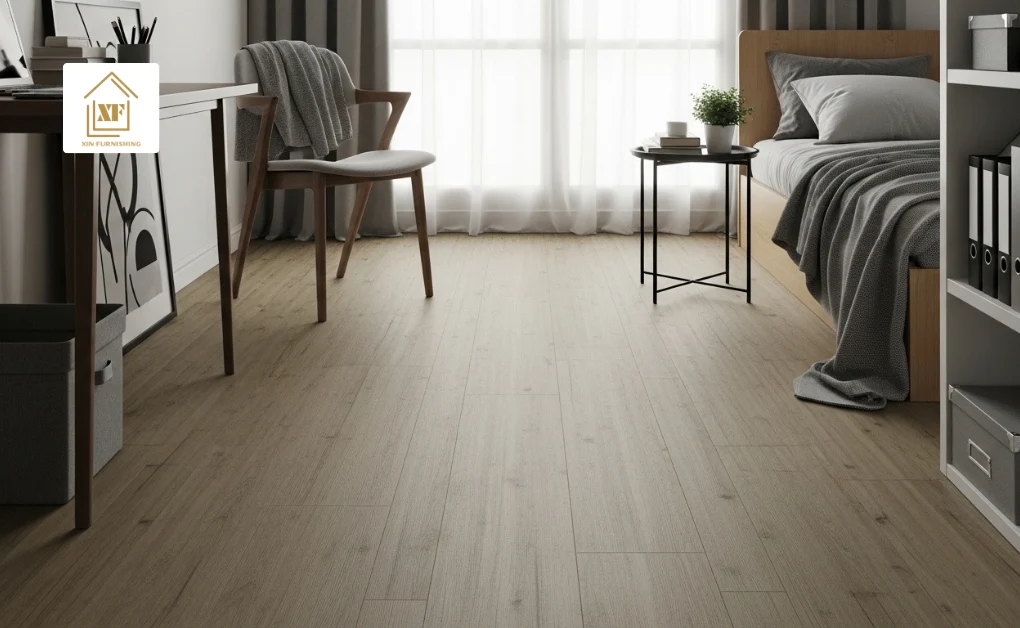
Vinyl flooring consists of multiple layers designed for both style and durability. The top layer protects against scratches and everyday wear, while the middle layer features realistic designs such as wood, marble, or stone, along with modern finishes like microcement vinyl flooring. The base layer adds stability and support for everyday use.
This structure makes vinyl flooring soft underfoot yet strong enough for daily life. It combines a sophisticated appearance with low maintenance, letting you enjoy an elegant look without the hassle of natural materials.
In Singapore, vinyl flooring is widely chosen for homes, small offices, and light commercial spaces. It’s especially suited to kitchens, bedrooms, and work areas, offering a balance of comfort, style, and practicality.
Want to know more? Our vinyl flooring guide explains everything you need to choose the perfect option for your space.
What Are Homogeneous Tiles?
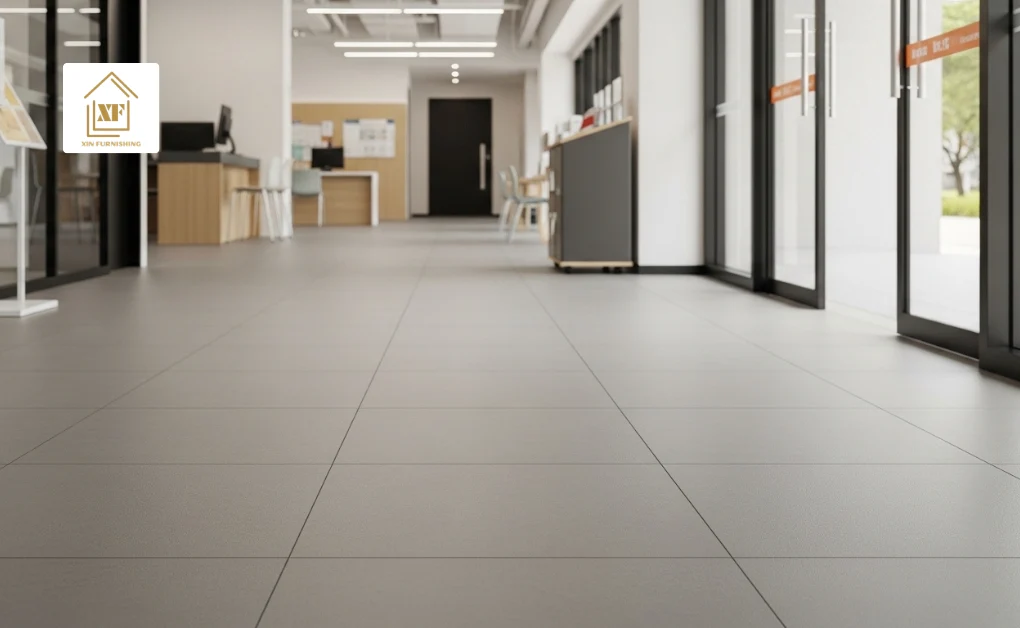
Homogeneous tiles are crafted from a single, uniform material, giving them consistent strength and wear resistance. Their solid composition makes them highly durable under heavy foot traffic, frequent cleaning, and equipment movement.
These tiles are ideal for hospitals, schools, retail stores, factories, and busy corridors. Any minor scratches blend in naturally since the surface and core are the same.
Although they offer fewer design choices than vinyl flooring, homogeneous tiles deliver long-lasting performance and reliability, making them a smart option for spaces where durability matters most.
Core Differences Between Vinyl Flooring and Homogeneous Tiles
Choosing the right floor isn’t just about looks; it’s about how it performs, feels underfoot, and lasts over time. Let’s break down what sets homogeneous tile vs vinyl flooring apart:
1. Composition
- Vinyl Flooring: Built with multiple layers, vinyl flooring combines durability and comfort, making it suitable for homes and light commercial spaces. Its variety of finishes allows you to complement any interior style while keeping maintenance simple.
- Homogeneous Tiles: Crafted from a single, uniform material, these tiles have the same texture and colour throughout. This solid makeup keeps the floor looking consistent even under constant use.
2. Resistance to Wear
- Vinyl Flooring: Durable enough for homes and light offices, it withstands normal foot traffic. Minor scratches usually don’t affect the overall look.
- Homogeneous Tiles: Designed for heavy-duty use, they resist abrasion, high foot traffic, and movement of heavy objects while maintaining their structure.
3. Walking Experience
- Vinyl Flooring: Slightly cushioned, it makes standing and walking more comfortable, absorbs impact, and reduces noise.
- Homogeneous Tiles: Provides a firm, stable footing. Less forgiving than layered flooring, it’s ideal for areas where sturdiness is a priority.
4. Cleaning and Maintenance
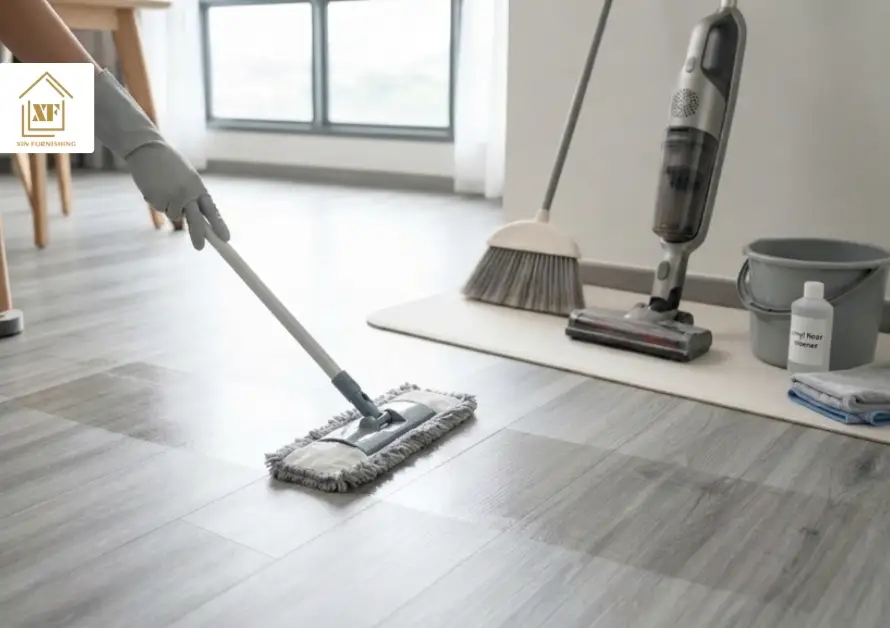
- Vinyl Flooring: Easy to clean with a broom or damp mop. Spills and dirt can usually be removed without harsh chemicals.
- Homogeneous Tiles: Can handle rigorous cleaning methods, strong detergents, and mechanical scrubbing without changing appearance.
5. Visual Appeal
- Vinyl Flooring: Offers a wide variety of colours, patterns, and finishes. From the warmth of wooden vinyl flooring to the elegance of marble, to bold geometric designs, it offers flexibility in styling.
- Homogeneous Tiles: Appearance is uniform and practical, with a focus on functionality over decorative impact. This makes them perfect for professional or high-traffic environments.
6. Investment, Cost and Lifespan
- Vinyl Flooring: Affordable and flexible, vinyl generally costs between $3 to $12 per square foot in Singapore, depending on the material, design, and installation method. It provides a reasonable lifespan and can be replaced tile by tile if needed, making it a practical choice for homes or offices where interior styles may change over time.
- Homogeneous Tiles: With a higher initial investment, usually around $8 to $20 per square foot, homogeneous tiles last for decades with minimal upkeep. Their long-term performance makes them ideal for spaces where durability and reliability matter more than upfront cost.
Where to Use Vinyl Flooring or Homogeneous Tiles
Not every flooring suits every environment. The right choice depends on daily use and what you need from the space.
Vinyl Flooring: Perfect for living rooms, bedrooms, small offices, cafes, or boutique stores, places where comfort, style, and easy maintenance matter. It’s soft underfoot, visually appealing, and handles Singapore’s humidity well.
Homogeneous Tiles: Best for busy hallways, hospitals, schools, shopping malls, or factories. Their solid, uniform structure withstands heavy traffic, equipment movement, and frequent cleaning, keeping the floor looking reliable and professional for years.
If you’re considering vinyl flooring for your home or office, Xin Furnishing, a trusted vinyl flooring Supplier in Singapore, can provide expert advice on selecting the right materials and finishes for your space. Their experience ensures your flooring is both stylish and long-lasting.
How to Choose the Right Flooring for Your Space
Picking the right floor isn’t just about how it looks; it can make your home or office more comfortable and easier to use every day. Before deciding, think about these important points:
- Traffic Levels: How many people walk through the area each day? Some floors handle lots of movement better than others.
- Comfort Underfoot: Do you want a soft, cushioned surface or something firmer and more solid? This affects how comfortable it feels when standing or walking.
- Cleaning and Care: How much time do you want to spend cleaning? Some floors are easy to wipe daily, while others can handle deeper cleaning without getting damaged.
- Look and Style: Are you going for a bold, eye-catching design or a simple look that blends naturally with the room?
- Budget and Lifespan: Consider the installation cost and the product’s lifespan. Spending a little more now can save you from having to replace it sooner.
Keeping these points in mind will help you choose flooring that works for your lifestyle, how the space is used, and the look you want, so you won’t have any surprises later.
Conclusion
The right floor isn’t just about looks; it affects how your space feels, performs, and lasts. Vinyl flooring offers comfort, flexibility, and a wide range of design options, while homogeneous tiles stand out for their strength and durability in high-traffic areas. Think about how your space is used, how much maintenance you prefer, and the style you want, and you’ll find the option that fits best.
Whether it’s for your home, office, or a busy commercial space, Xin Furnishing is here to guide you. We’ll help you choose and install flooring that’s stylish, practical, and built to last. Contact us today to discuss your project or get expert advice.
FAQs
1. What’s the best flooring for humid climates like Singapore?
Vinyl flooring resists moisture and can handle humid conditions well, making it a strong choice for tropical environments where dampness and condensation are common. Homogeneous tiles also perform well in wet areas, but vinyl’s flexibility and water resistance make it especially practical for many Singapore homes.
2. Can vinyl flooring be installed over existing tile floors?
In many cases, yes, vinyl flooring can go over existing tiles if the surface is smooth and level. This can save time and reduce renovation costs. However, uneven tiles or damage beneath must be fixed first so the new floor lies flat.
3. Does the thickness of vinyl flooring matter?
Yes, thicker vinyl flooring usually performs better. A thicker wear layer often means better resistance to dents and scratches, and a more solid feel underfoot.
4. Are there flooring choices that reduce noise better than tiles or vinyl?
Vinyl flooring generally absorbs sound more effectively than hard surfaces like homogeneous tiles. If noise reduction is important (e.g., in apartments or offices), adding a vinyl underlay can help even more.
5. Which flooring type offers better indoor air quality?
Good-quality vinyl flooring has improved in terms of low VOC emissions, and many products are certified for indoor air safety. Homogeneous tiles in Singapore made from natural minerals don’t emit VOCs, making them a strong choice for allergy-sensitive environments.