Choosing new flooring often comes with a quiet worry. You may like the look of vinyl flooring, appreciate how practical it feels, and find that it fits your budget, yet one question keeps coming back: how long does vinyl flooring last?
It’s a fair concern. Flooring is not something you change often. Once it’s installed, it has to cope with daily foot traffic, moving furniture, accidental spills, and Singapore’s warm, humid climate. If it starts to wear out earlier than expected, the cost and disruption can quickly add up.
Vinyl flooring can last for many years, but its lifespan depends on the type you choose, how well it is installed, and how your home uses the space every day. Understanding what affects the durability of vinyl flooring helps you choose an option that continues to perform well over time.
How Long Does Vinyl Flooring Last on Average?
In most homes, vinyl flooring lasts around 10 to 25 years. The exact lifespan depends on what you install and how your home is used day to day.
More affordable vinyl tends to show wear sooner, often closer to the 10-year range. Higher-quality luxury vinyl, especially with a thicker wear layer, can stay in good condition for well over 20 years. This difference is why some homeowners feel their flooring held up better than expected, while others feel it wore out too quickly.
When vinyl flooring is installed properly and matched to the right areas of the home, it holds up well against daily use. For homes dealing with heat and humidity, the vinyl flooring lifespan in Singapore is generally more reliable than many other common flooring options.
Types of Vinyl Flooring and How Long They Last
Vinyl flooring comes in different forms, and each one is made to suit specific needs. Understanding these differences helps set realistic expectations for how long your floor will stay in good condition.
1. Sheet Vinyl Flooring
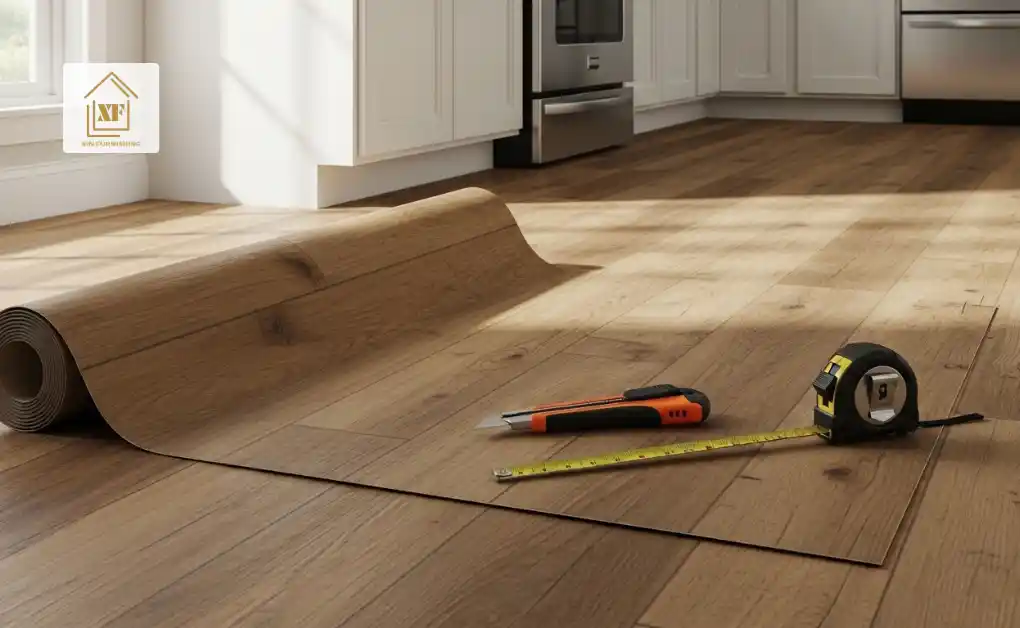
Sheet vinyl is installed in wide, continuous rolls, which means fewer seams across the floor. This makes it especially effective at keeping moisture out.
Typical lifespan: around 10 to 15 years
Best used in: kitchens, bathrooms, and utility spaces
Why homeowners choose it: strong water resistance and easy day-to-day cleaning
2. Luxury Vinyl Tiles (LVT)
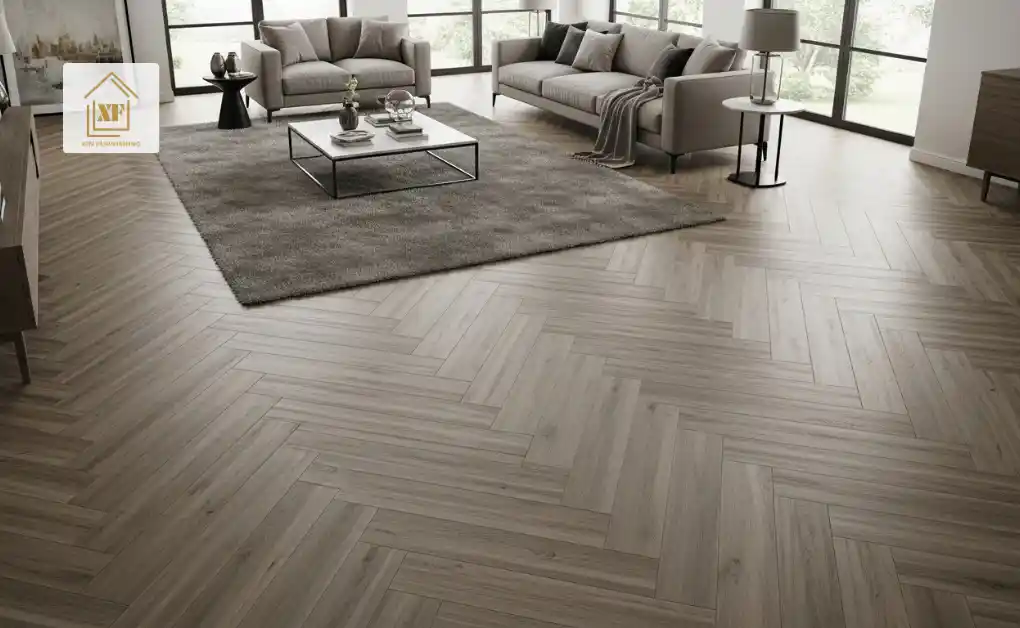
Often referred to as LVT flooring, this option is designed to mimic stone or ceramic tiles while feeling noticeably warmer and softer underfoot. It suits spaces where comfort and appearance matter equally.
Typical lifespan: around 15 to 20 years
Best used in: living rooms, bedrooms, and home offices
Why homeowners choose it: a stylish look without the cold or hardness of real tiles
3. Luxury Vinyl Planks (LVP)
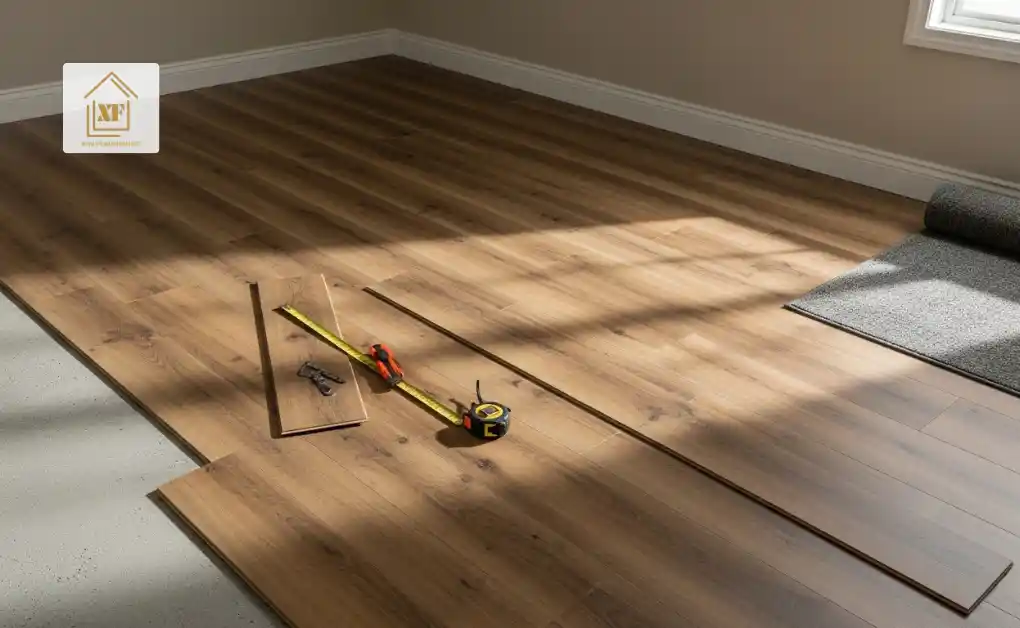
Luxury vinyl planks closely resemble natural wood and are often chosen for modern or open-plan homes. Many people refer to this style as wood vinyl flooring because of its realistic timber appearance.
Typical lifespan: around 20 to 25 years
Best used in: whole homes, family areas, and open spaces
Why homeowners choose it: the look of timber with better resistance to daily wear
If you want a clearer idea of what works in different rooms, check out our guide to the different types of vinyl flooring for each area of your home.
What Affects the Lifespan of Vinyl Flooring?
Vinyl flooring is durable, but it is not indestructible. Even high-quality products can wear out early if certain details are overlooked. How long it lasts depends on a mix of material quality, daily habits, and how well it suits the space it’s installed in.
1. The Wear Layer
The wear layer is the clear protective coating on top of the vinyl. This is what absorbs impact from shoes, furniture, and everyday movement. Floors with a thicker wear layer handle scratches and scuffs far better, especially in busy households.
2. Foot Traffic and Daily Living
Homes with children, pets, or frequent visitors naturally put more pressure on flooring. Living rooms, hallways, and dining areas tend to wear faster than bedrooms, where traffic is lighter.
3. Singapore’s Climate
Heat and humidity are part of daily life here. Vinyl performs better than laminate because it resists moisture and does not swell as easily. Unlike natural wood, it is also less likely to crack or warp over time, which is why vinyl flooring in Singapore is widely used in both homes and apartments.
4. Installation and Subfloor Condition
Even the best materials can fail if installed on an uneven or damp surface. Poor subfloors often lead to lifting edges, soft spots, or clicking sounds when walking. Proper installation plays a major role in long-term performance.
5. Sunlight and Heat Exposure
Strong sunlight can slowly fade flooring near windows or balconies. Curtains, blinds, or UV-protective window films help reduce long-term colour changes.
6. Maintenance and Cleaning Habits
Harsh cleaners, steam mops, and excessive water can weaken the protective layer over time. Gentle cleaning and quick spill removal help preserve the surface.
7. Choosing the Right Type for Each Area
Using light residential vinyl in high-traffic spaces often leads to faster wear. Matching the flooring type to how the room is used helps avoid early replacement.
How to Make Vinyl Flooring Last Longer
Vinyl flooring does not require complicated care, but small habits can make a noticeable difference over time.
- Clean regularly using a soft mop and a mild floor cleaner
- Wipe up spills quickly, especially in kitchens and dining areas
- Use door mats at entrances to reduce sand and grit
- Place felt pads under furniture to prevent scratches and pressure marks
- Avoid steam mops and harsh chemicals
With regular care and a few preventive habits, the floor stays comfortable, presentable, and easy to live with over time.
When Is It Time to Replace Vinyl Flooring?
Even with good care, flooring eventually shows signs of age. Replacement becomes necessary when wear starts affecting comfort, appearance, or safety.
You may want to consider replacement if you notice:
- Edges lifting or peeling that no longer stay flat
- Deep scratches or dents exposing the layer underneath
- Fading in areas with strong sunlight or heavy foot traffic
- Uneven spots or clicking sounds when walking
- Moisture issues in kitchens, bathrooms, or other wet areas
When several of these issues appear together, replacement is often the more practical choice.
Vinyl Flooring Compared to Other Flooring Options
| Flooring Type | Average Lifespan | Moisture Resistance | Comfort Underfoot | Maintenance Level | Suitability for Singapore Homes |
| Vinyl Flooring | 10–25 years | High | Warm and quiet | Low | Well-suited for humidity and daily use |
| Laminate Flooring | 8–15 years | Low to moderate | Firm, slightly noisy | Medium | Less ideal in humid conditions |
| Ceramic Tiles | 20–30 years | Very high | Cold and hard | Low | Durable but less comfortable |
| Engineered Wood | 15–25 years | Moderate | Warm and natural | High | Requires careful upkeep |
Conclusion
Vinyl flooring can be a long-lasting option when it is chosen carefully and installed properly. Its performance depends on quality, daily use, and how well it suits each area of the home. In humid conditions, this balance often matters more than price alone.
By understanding the different types, recognising what affects lifespan, and following simple care habits, homeowners can avoid early wear. For many households, vinyl offers a practical mix of durability, comfort, and ease of maintenance that holds up well over time.
FAQs
1. Is vinyl flooring worth it in the long run?
Yes. When chosen correctly, vinyl flooring offers strong value over time. It lasts for many years, handles moisture well, and suits everyday living in busy homes. Proper installation and matching the right type to each area make a noticeable difference.
2. Is vinyl flooring high maintenance?
No. Vinyl flooring is considered low maintenance. Regular sweeping or mopping with a mild cleaner is usually enough, with no need for polishing or sealing.
3. How much weight can vinyl flooring hold?
Vinyl flooring can support normal household weight, including heavy furniture and appliances. Damage is more likely from sharp pressure points than overall weight, so furniture pads are recommended.
4. Is a steam mop safe for vinyl floors?
Steam mops are not recommended. Heat and moisture can weaken the protective layer and cause lifting over time. A soft mop with gentle cleaning products is safer.
5. What can ruin vinyl flooring?
Excessive moisture, harsh chemicals, steam cleaning, dragging heavy furniture, and prolonged sunlight exposure can all shorten the floor’s lifespan.